Six Best Swiss Ball Exercises for Back Pain Relief and Core Strength

Keeping your back strong and stable is essential for maintaining good posture, preventing pain and staying active. An exercise ball—also known as a Swiss ball or stability ball—can be an effective tool for improving core strength, spinal stability and mobility. Because a Swiss ball creates an unstable surface, it activates the muscles that support the spine while helping improve balance and posture. Whether you're looking to relieve back pain, strengthen your core or improve overall movement, these exercise ball exercises can help
What You'll Need
-
Stability Ball: Choose the right size for your height (typically 55-65 cm in diameter).
-
Exercise Mat: For comfort and added stability.
-
Light Dumbbells (Optional): To increase resistance.
-
A Wall or Chair: For support if needed.
-
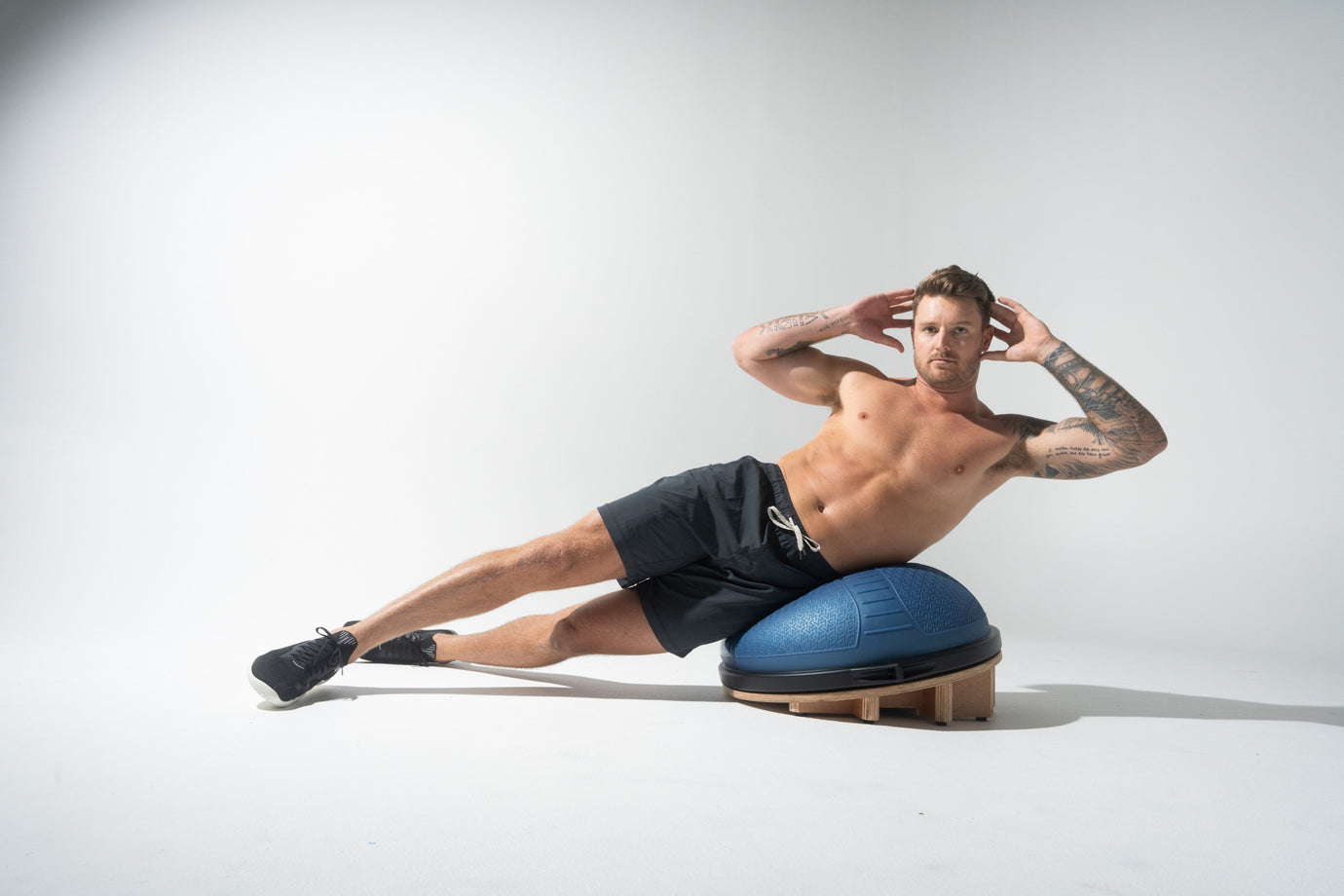
BOSU Balance Trainer: Can be used to add an extra challenge to balance-based movements
-
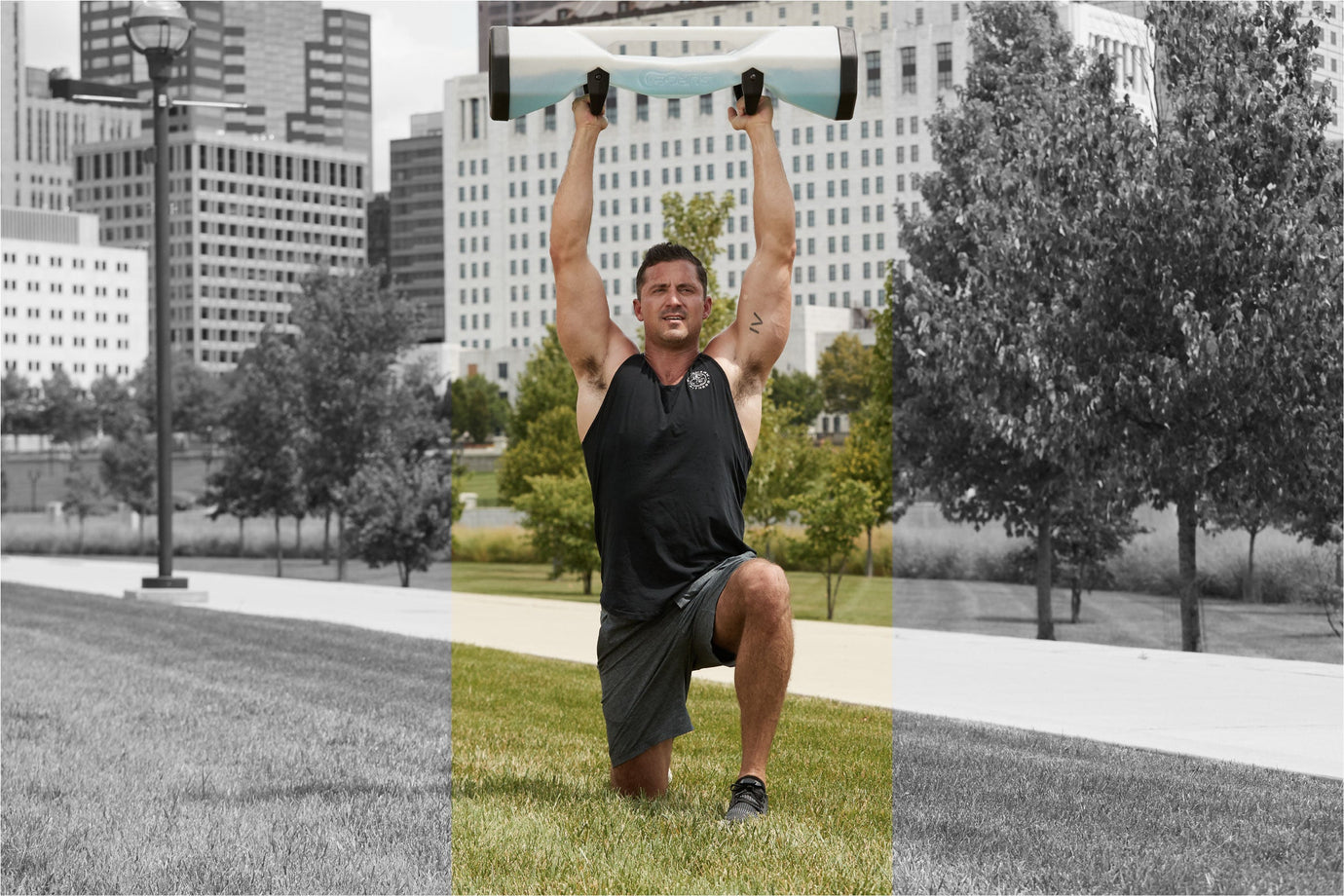
BOSU Surge: A great tool for incorporating water resistance to improve stability and strength.
6 Best Swiss Ball Back Exercises for Back Pain
1. Exercise Ball Back Extension

-
Lie face down on the ball with your feet planted on the ground.
-
Place your hands behind your head or across your chest.
-
Slowly lift your upper body until aligned with your lower body.
-
Lower back down and repeat for 10-12 reps.
-
Why it works: Strengthens the lower back and improves posture.
2. Swiss Ball Bridge

-
Lie on your back with your feet resting on the ball.
-
Press through your heels and lift your hips until your body forms a straight line.
-
Hold for a few seconds, then lower down.
-
Perform 10-12 reps.
-
Why it works: Engages the lower back, glutes, and core for improved stability.
3. Stability Ball Bird Dog

-
Kneel behind the stability ball and rest your stomach on it.
-
Extend your right arm and left leg simultaneously while keeping balance.
-
Hold for a few seconds, then switch sides.
-
Perform 8-10 reps per side.
-
Why it works: Enhances coordination, balance, and lower back strength.
4. Exercise Ball Seated Row

-
Sit on the ball with a resistance band anchored in front of you.
-
Pull the band back, squeezing your shoulder blades together.
-
Slowly return to the start and repeat for 10-12 reps.
-
Why it works: Strengthens the upper back and improves posture.
5. SwissBall Superman Hold

-
Lie face down on the ball, extending arms and legs.
-
Lift your arms and legs slightly off the ball and hold for a few seconds.
-
Lower back down and repeat for 8-10 reps.
-
Why it works: Strengthens the entire posterior chain, improving back endurance.
6. BOSU Balance Trainer Ball Stability Plank

-
Place your forearms on a BOSU Balance Trainer with the flat side down.
-
Extend your legs into a plank position, keeping your core engaged.
-
Hold for 20-30 seconds.
-
Why it works: Builds back and core strength while improving stability.
How to Use These Stability Ball Back Exercises
-
Start Slow: Perform 1-2 sets of each exercise and increase as your strength improves.
-
Focus on Form: Maintain control throughout each movement to prevent strain.
-
Train Regularly: Aim to include these exercises 2-3 times per week for the best results.
-
Modify if Needed: Adjust difficulty by adding support or resistance as you progress.
-
Incorporate a BOSU Surge: Adding the BOSU Surge can introduce dynamic resistance, challenging stabilizer muscles and improving overall strength.
-
Enhance Stability: Using a balance trainer can provide weighted instability for added core engagement during seated or plank-based movements.
Final Thoughts
Swiss ball exercises and exercise ball workouts can be an effective way to strengthen the muscles that support your spine, improve posture and reduce back discomfort. Whether you're just starting out or looking to add more core-focused training to your routine, a Swiss ball is a versatile tool for building strength and stability.
Frequently Asked Questions About Swiss Ball Exercises for Back Pain
Can a Swiss ball help relieve back pain?
A Swiss ball can help improve core strength, posture and spinal stability, which may reduce discomfort associated with poor posture and weak supporting muscles.
What size exercise ball should I use?
Most adults use a 55 cm or 65 cm exercise ball depending on height.
Are stability ball exercises safe for people with back pain?
Many exercise ball exercises are low impact and beginner-friendly, but individuals with chronic or severe pain should consult a healthcare professional before beginning a new exercise program.
How often should I do Swiss ball exercises for back pain?
Two to three sessions per week is a good starting point for improving strength and stability.