


By: Justin Price, MA
The human body is designed to be upright. Whether you believe in evolution or creationism, the same runs true. We are bipedal creatures designed to stand erect with the spine on top of pelvis, and the pelvis on top of the legs. Our bodies have two very important elements to assist in maintaining an upright posture. First, large gluteus maximus muscles push the hips forward into extension. Secondly, a curvature in the lumbar spine arches the spine upward and backward to lift the torso on top of the hips.
Environmental Changes and Excessive Lumbar Lordosis
Over the past century, the environment in which we live and activities of daily living have changed dramatically. Prior to the advent and availability of modern staples such as automobiles, televisions, computers and stationary bikes, people spent much of the day engaged in varying types of physical activity and movement. Such technological advances, however wonderful they may be, mean that most of us now spend the majority of time sitting down. When seated, the butt and hips are behind us (supported by a chair or seat) and the entire spine bends forward into a rounded and flexed position. The gluteal muscles do not have to work to support the hips and spine; the chair we are seated upon does all the work. Therefore, when required to stand up, the glutes are not strong enough to push hips forward to form a quality base of support for the spine. In addition, the thoracic spine (mid to upper back), which has a natural slight forward curve, suffers from prolonged seated positions. After long periods of sitting, this forward thoracic curve can become excessive, thereby causing part of the spine to lose its ability to arch backward and assist in standing erect.
These hip and upper back dysfunctions mean that the responsibility for lifting the torso upright falls mainly on one structure in the body, the lumbar spine. There is a natural curvature in the lumbar spine designed to lift the torso upward. But, when used exclusively to achieve and maintain upright posture, the lordotic curve becomes excessive (a.k.a. excessive lumbar lordosis). Excessive lumbar lordosis can cause disc degeneration, nerve root compression and wear and tear to all structures of the lumbar spine and surrounding soft tissues.
What Else Causes Excessive Lumbar Lordosis?
When seated, the hips are bent (flexed), the top of the legs are closer to the torso, and the glutes are mostly inactive. Obviously, this compressed position can cause the muscles and soft tissues at the front of the hips (namely the hip flexors) to become tight and restricted. Consequently, when we begin to stand up, these soft tissue structures are so inflexible that the hips have a hard time pushing forward to enable us to stand up straight. This tightness in the front of the hips also prevents the glutes from being able to do their job and push the hips forward. This pattern of dysfunction becomes a "which came first - the chicken or the egg?" scenario. Is excessive lumbar lordosis caused by weak glutes or tight hip flexors? The answer does not matter. We have to address both variables to enable the hips to extend so that the lumbar spine does not have to arch excessively to keep us upright.
Assessing For Excessive Lumbar Lordosis
There is a very easy assessment to evaluate if you or a client has excessive lumbar lordosis. Ask the client to stand against a flat surface such as a door or wall. Instruct them to stand with the back against the wall with heels, buttocks, shoulders and head touching the wall. Place your hand, palm down, on the wall and slide it behind the lower back (see Picture 1).
![]() |
Evaluate the space between the lumbar spine and the wall. When a person has an acceptable degree of lumbar lordosis, you should only be able to slide your fingers behind the lower back up to, and in line with the second or third knuckle of your hand (i.e., where the fingers meet the hand). If the space between the back and the wall is big enough for you to slide your whole hand or arm through, then the client has excessive lumbar lordosis. The greater the space is between the wall and the lower back, the more extreme the deviation or imbalance is. If someone has a large gluteal complex and the tail bone is not in contact with the wall during the assessment, then you will need to make an allowance for the additional space. Use your best judgment to determine whether the lumbar curvature is excessive. |
|
Picture 1:
Wall Test for Excessive Lumbar Lordosis |
Using the BOSU® Balance Trainer (BT) to Correct Excessive Lumbar Lordosis
Where the lumbar spine, hips and tops of the legs come together is a very important articulation in the body that enables us to stand, walk, run and play. If there is a weakness or dysfunction in this area, then other muscles (like those of the lower back) work harder to splint the area and keep it stable. This is why so many people experience a "tight lower back"; the lumbar erector muscles have to work twice as hard to make up for weaknesses elsewhere in the body (e.g., the glutes). By simultaneously strengthening muscles surrounding the lower back and stretching others, the lumbar spine muscles can be taught to release and thereby reduce excessive lumbar lordosis.
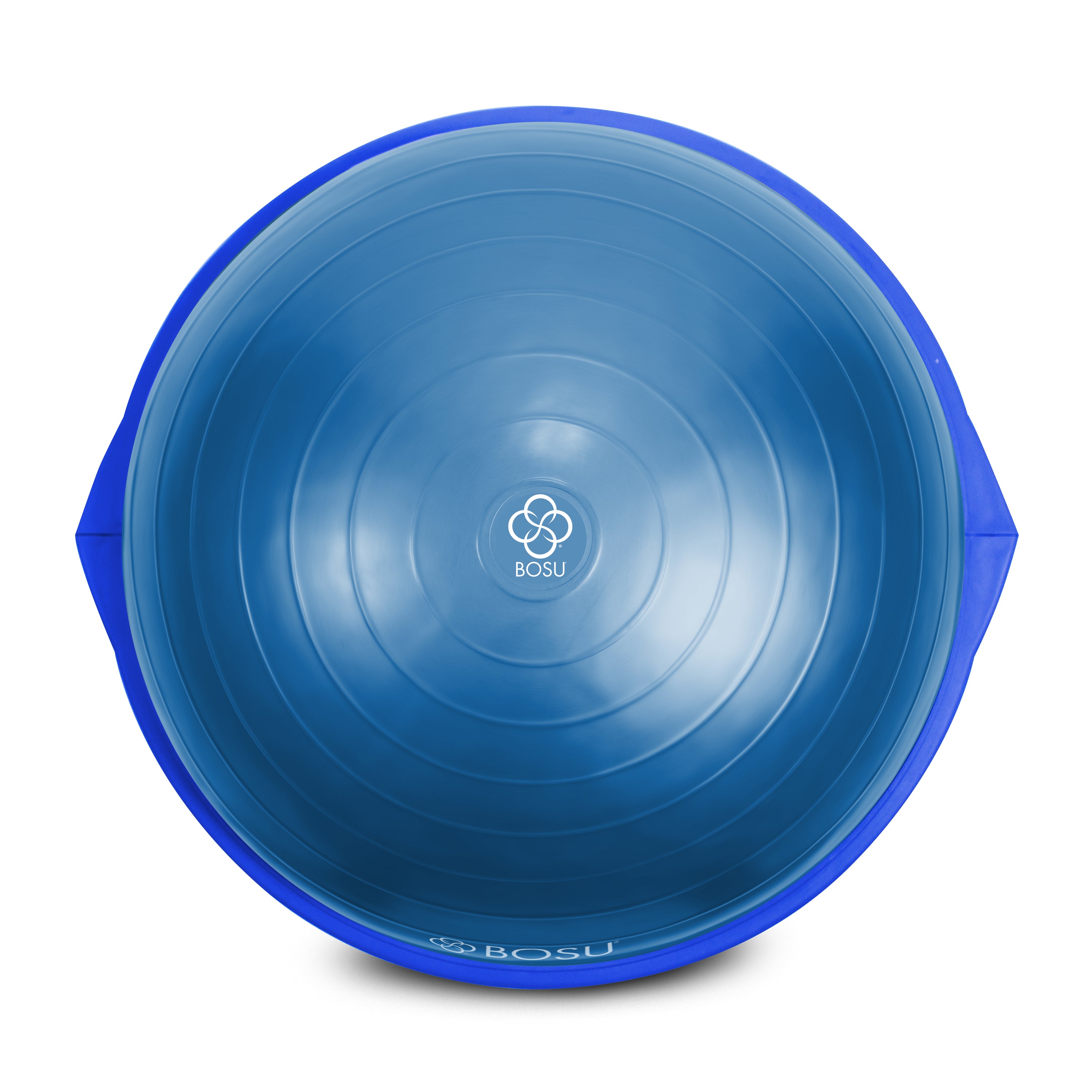
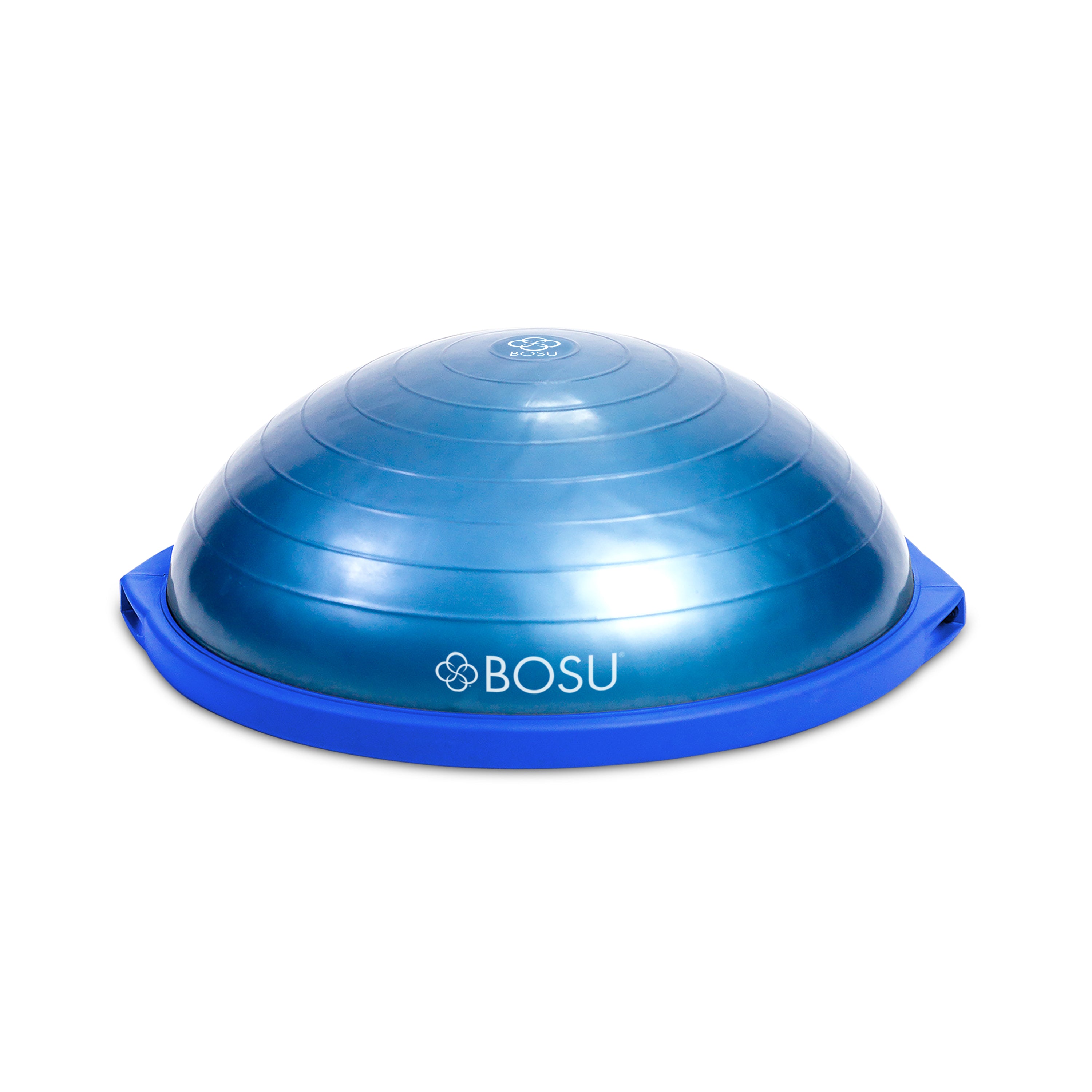
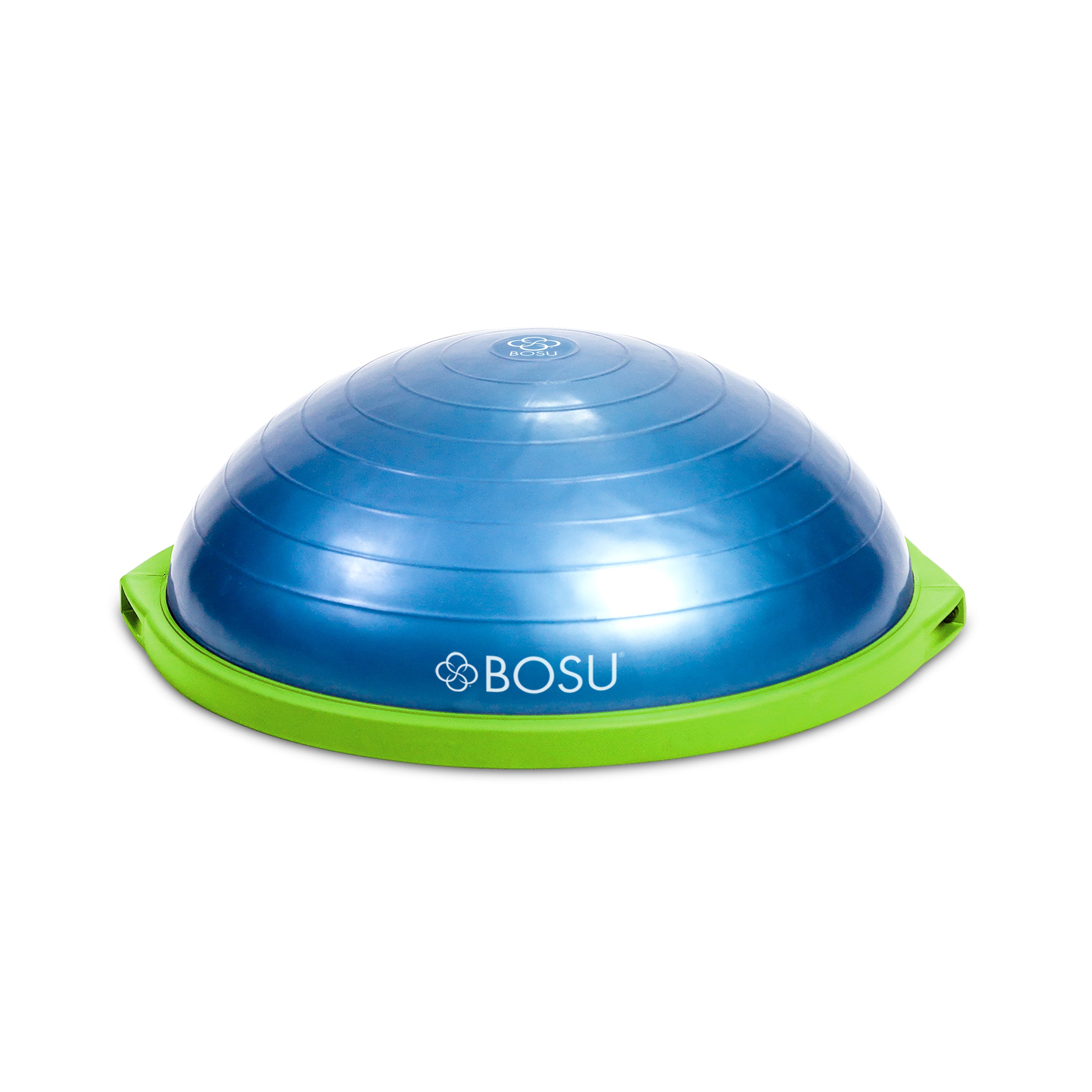
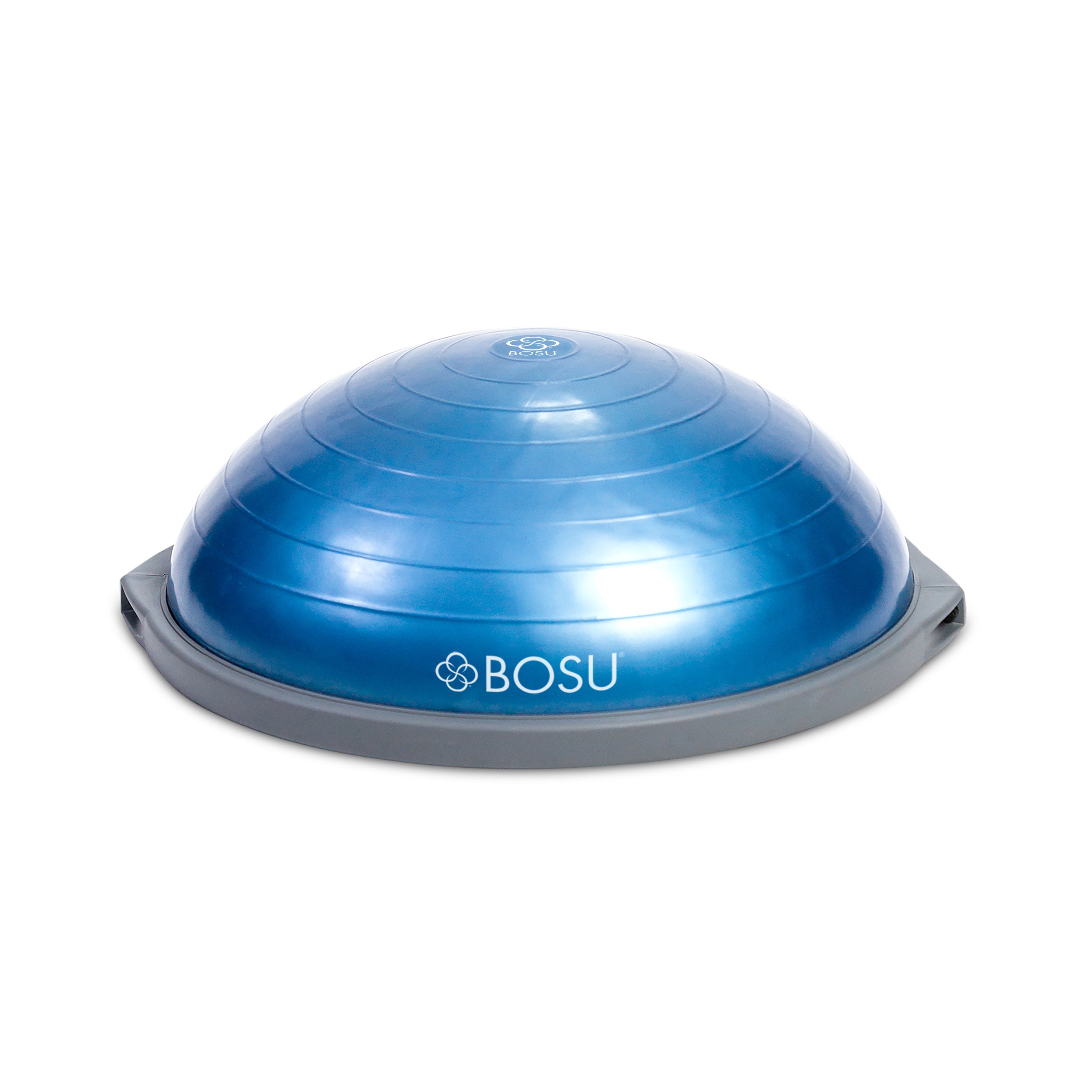
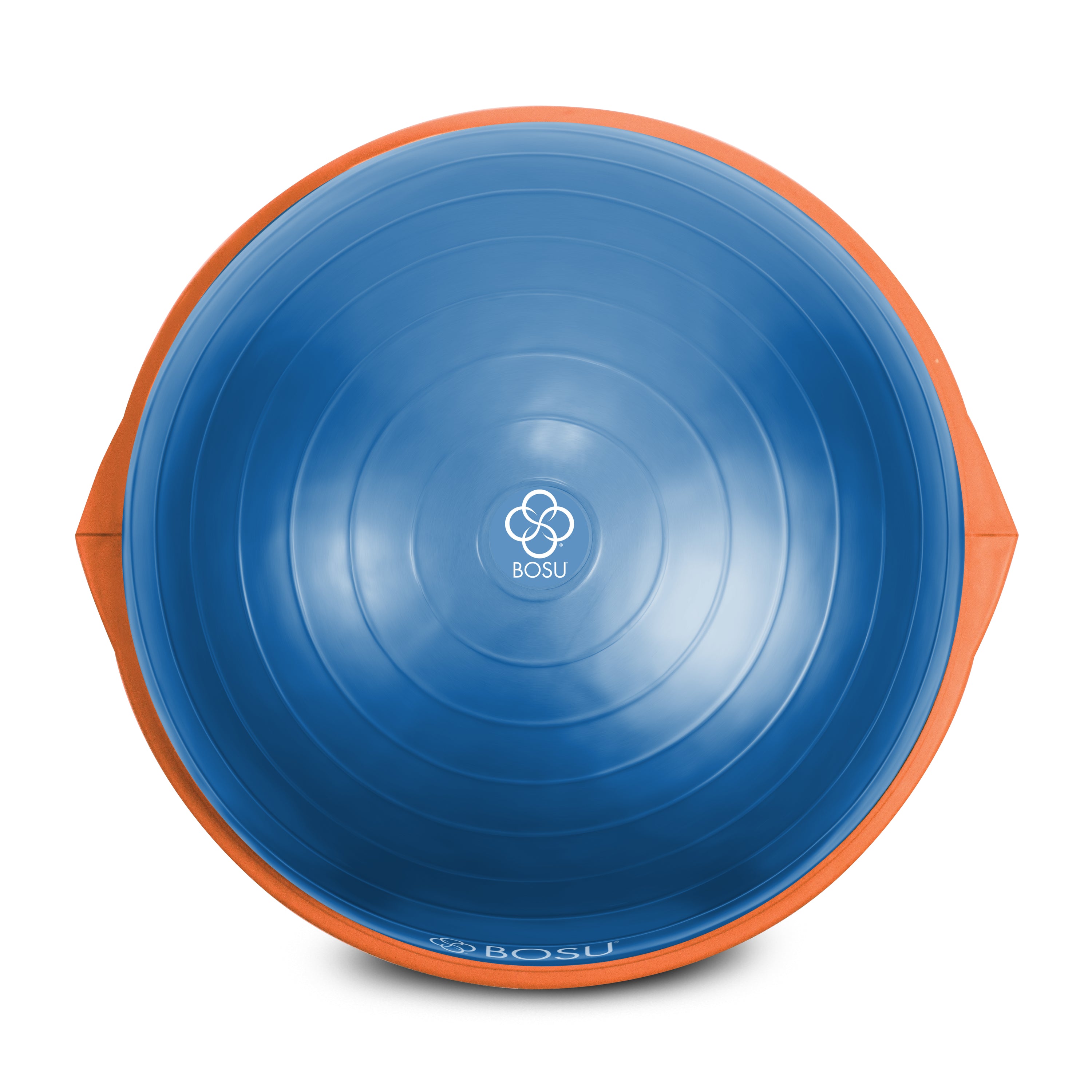
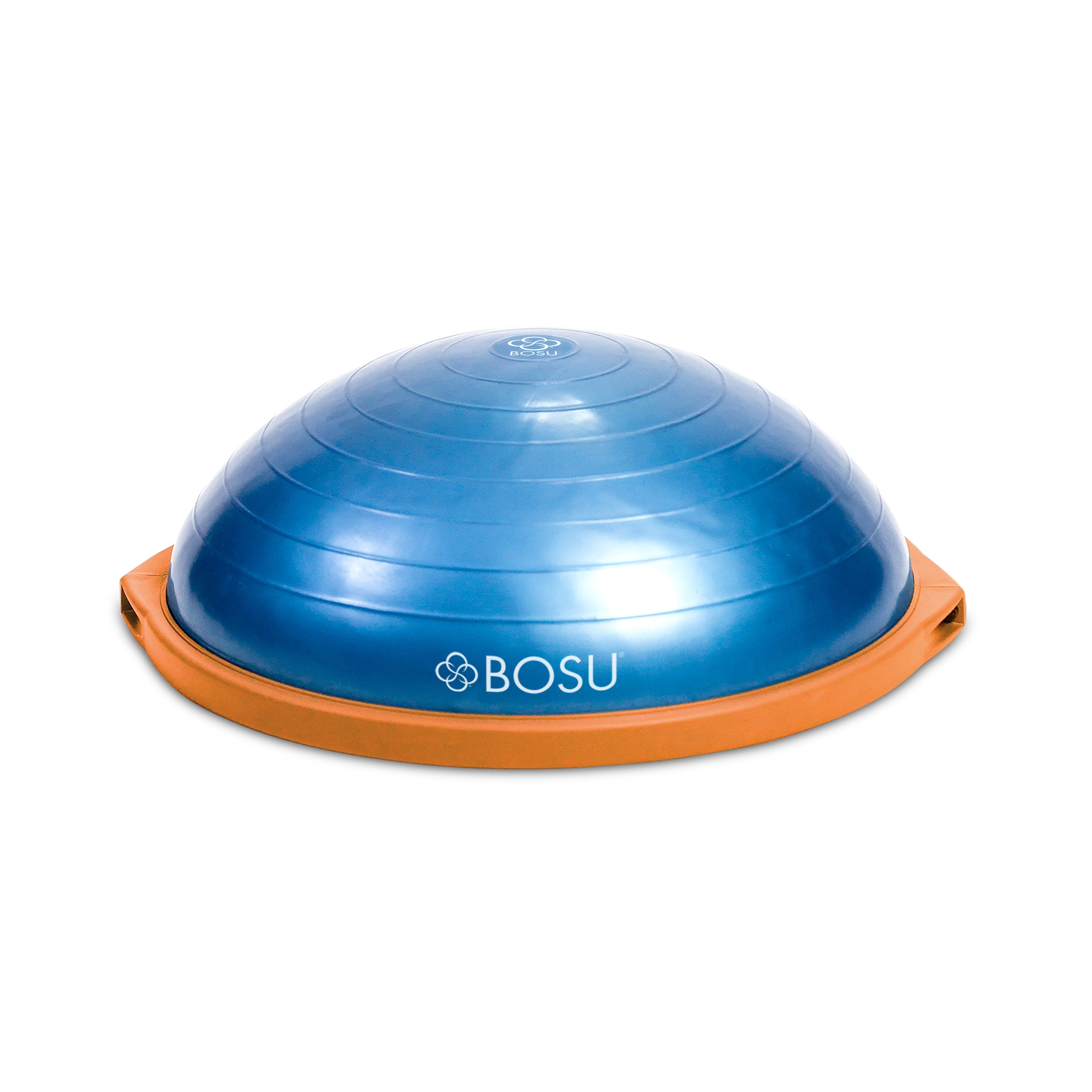
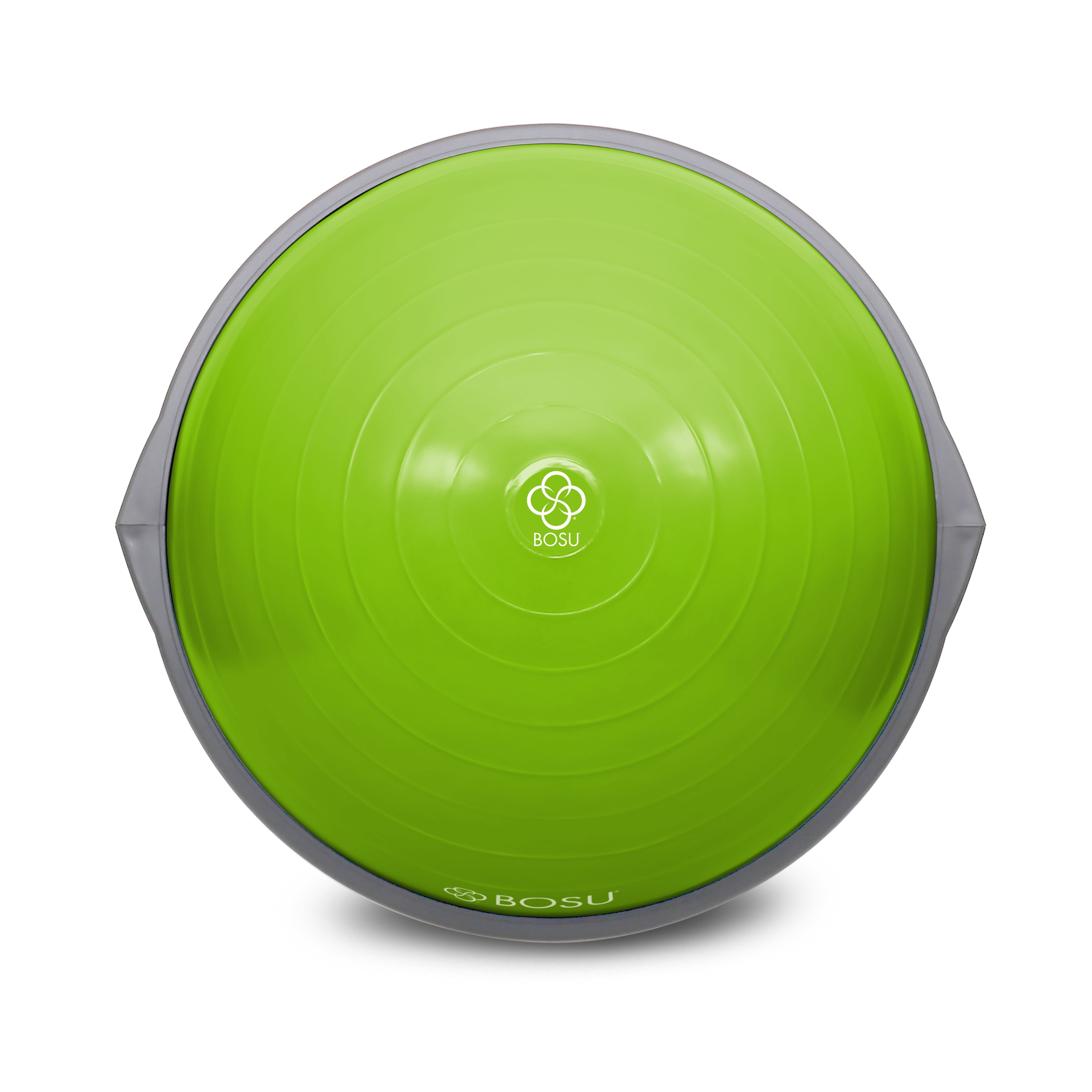
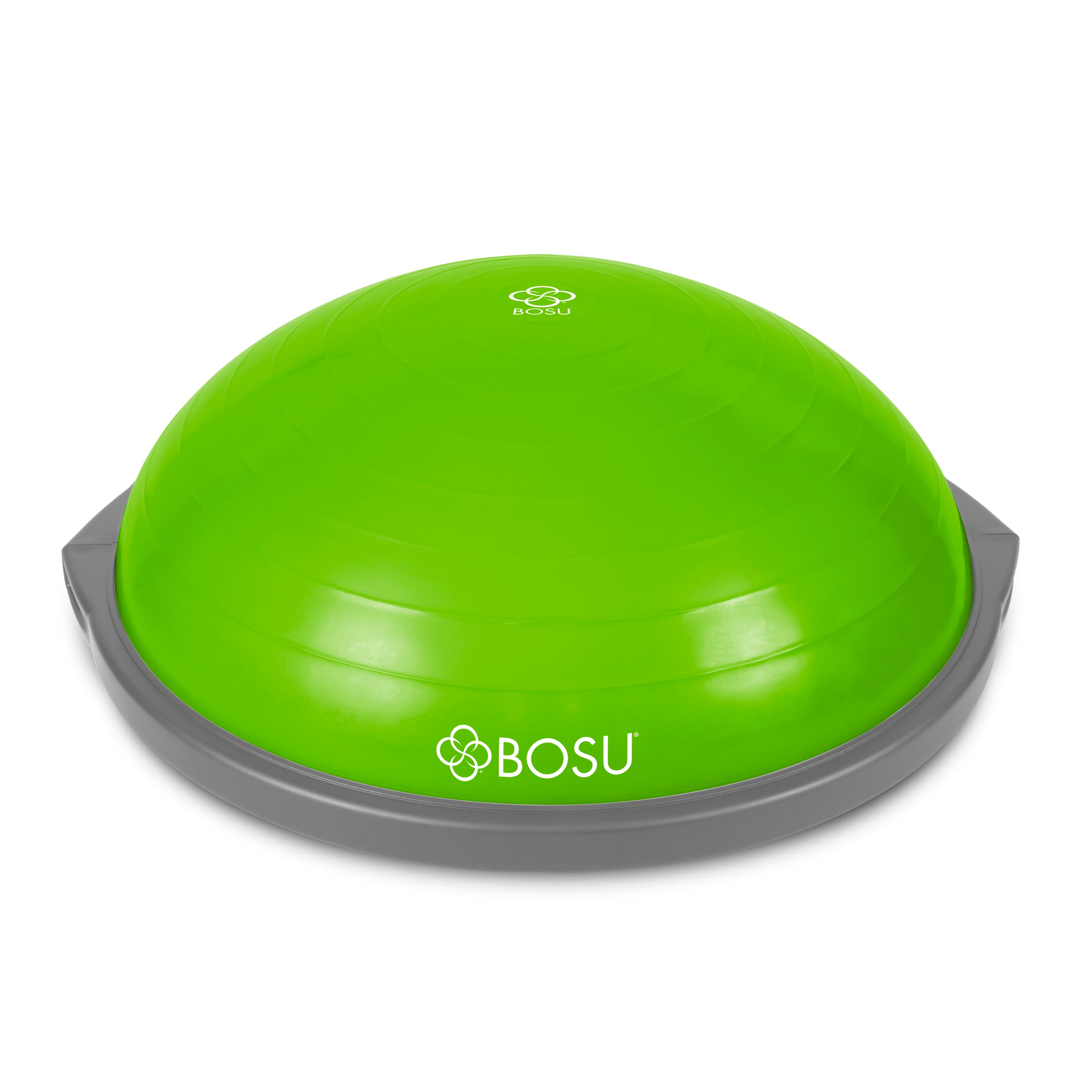
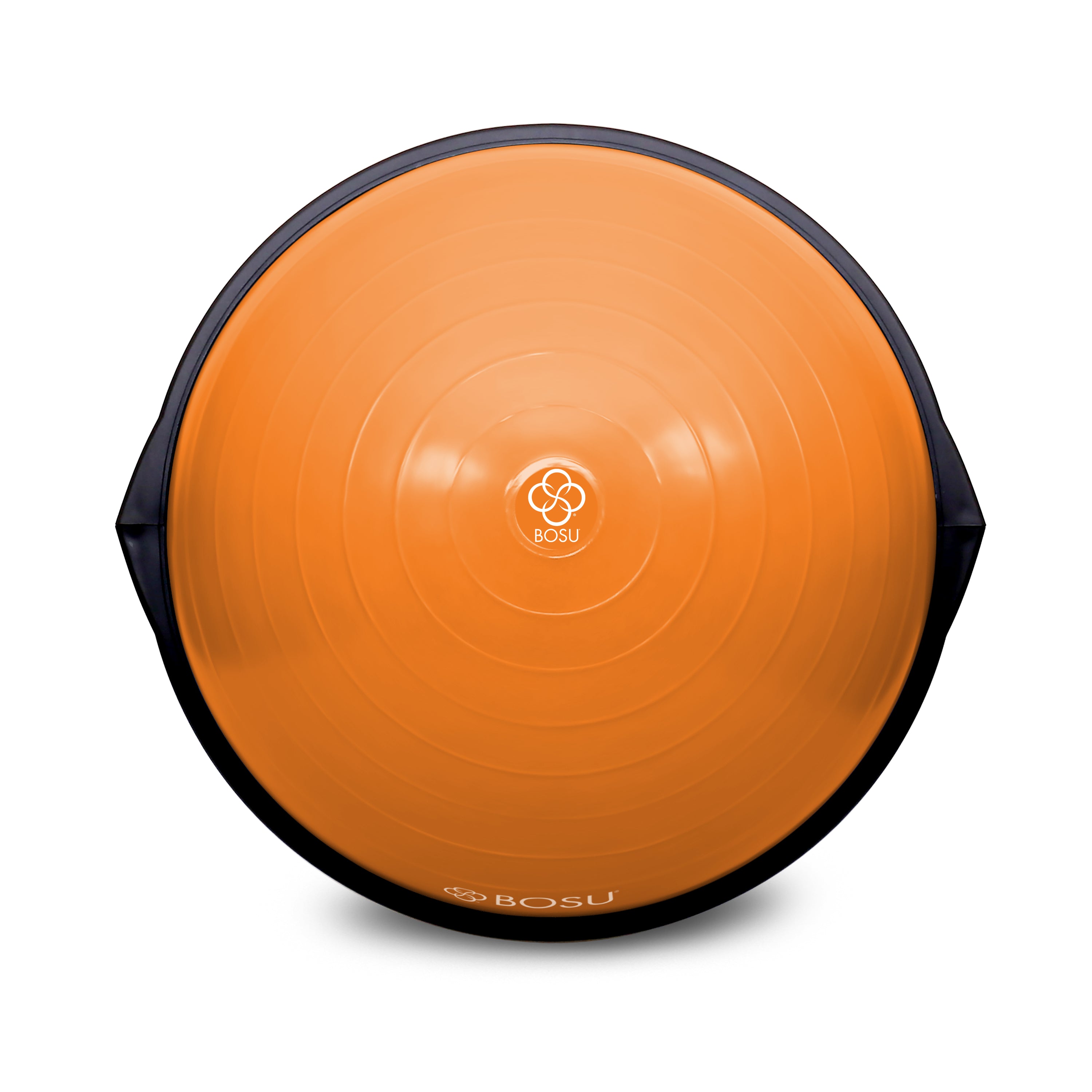
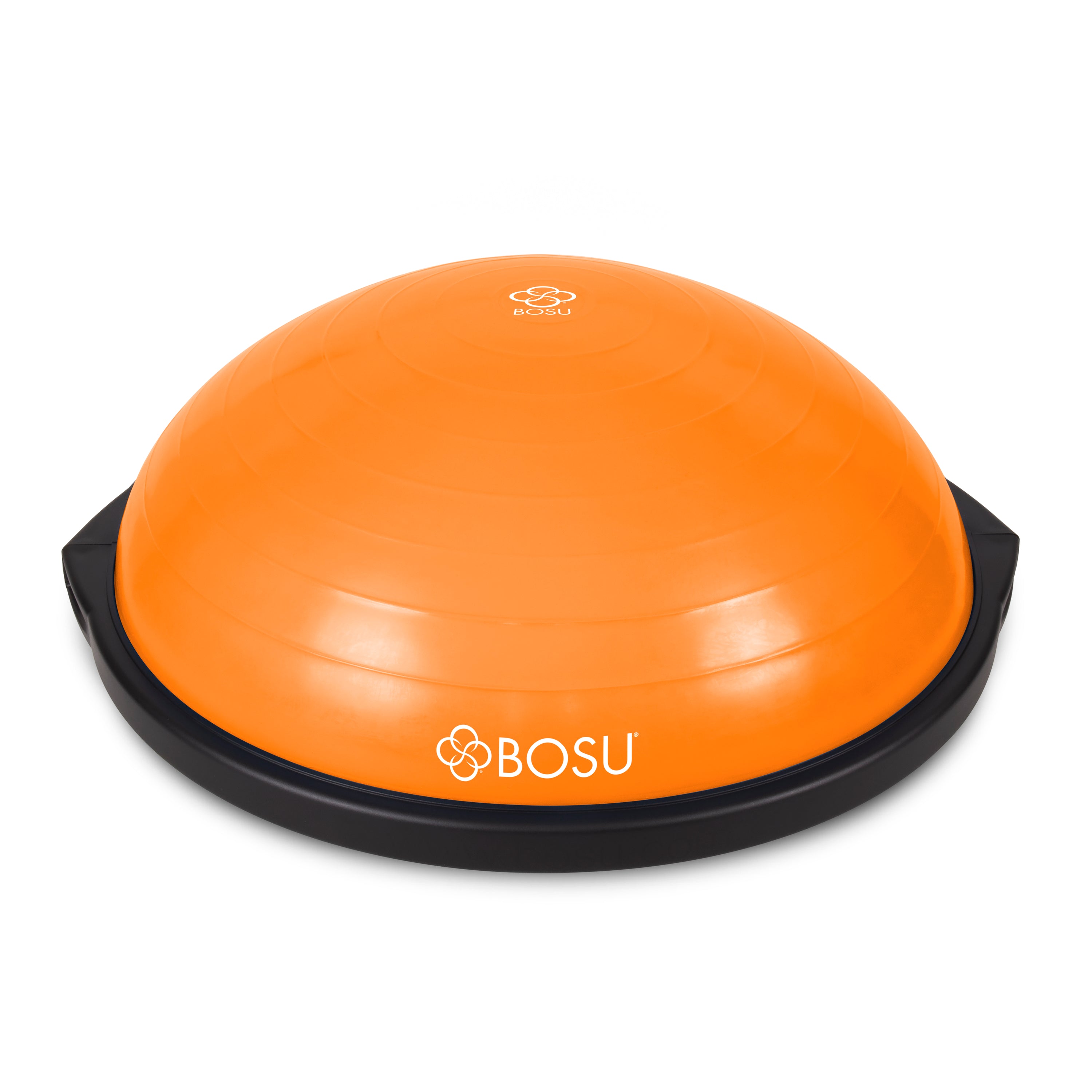
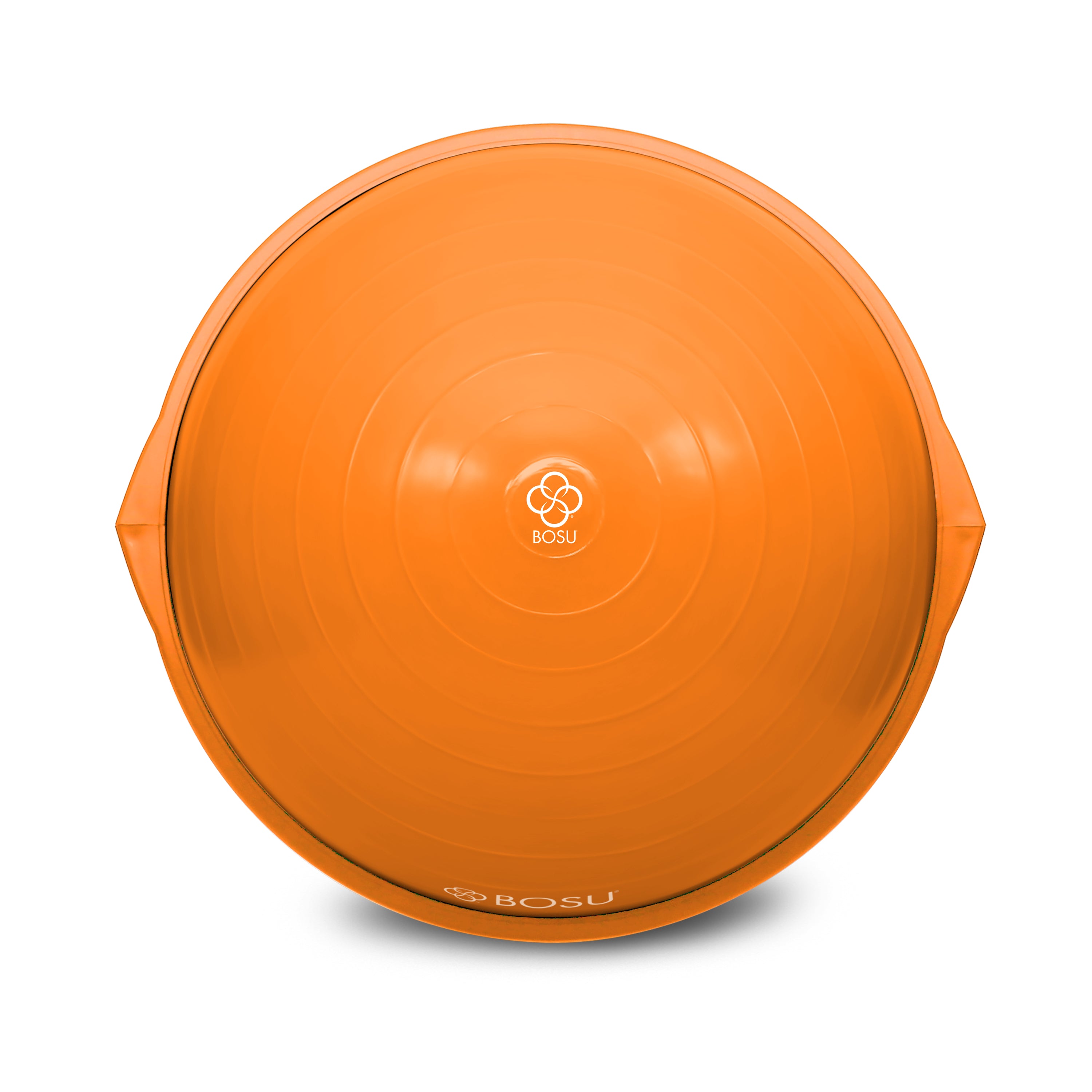
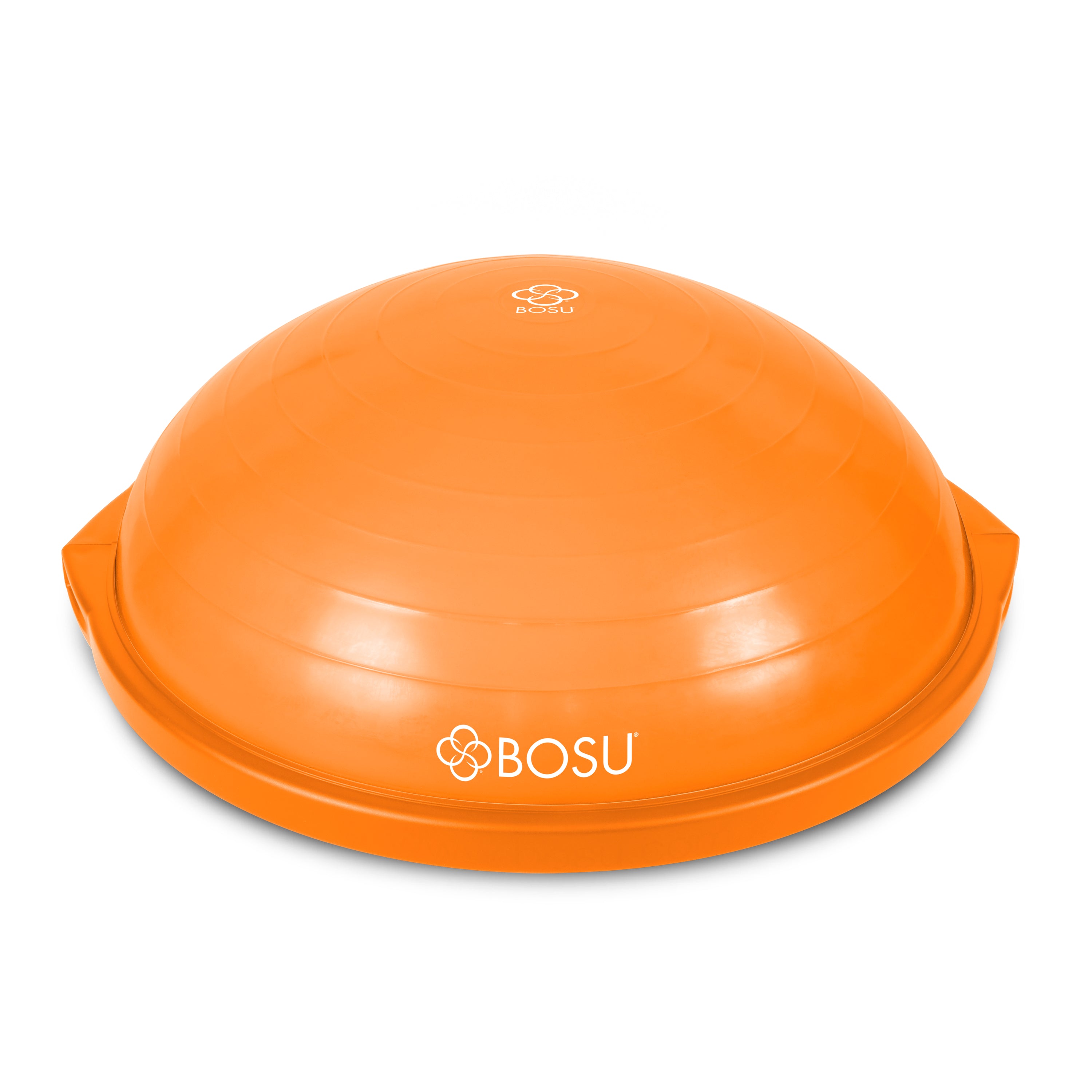
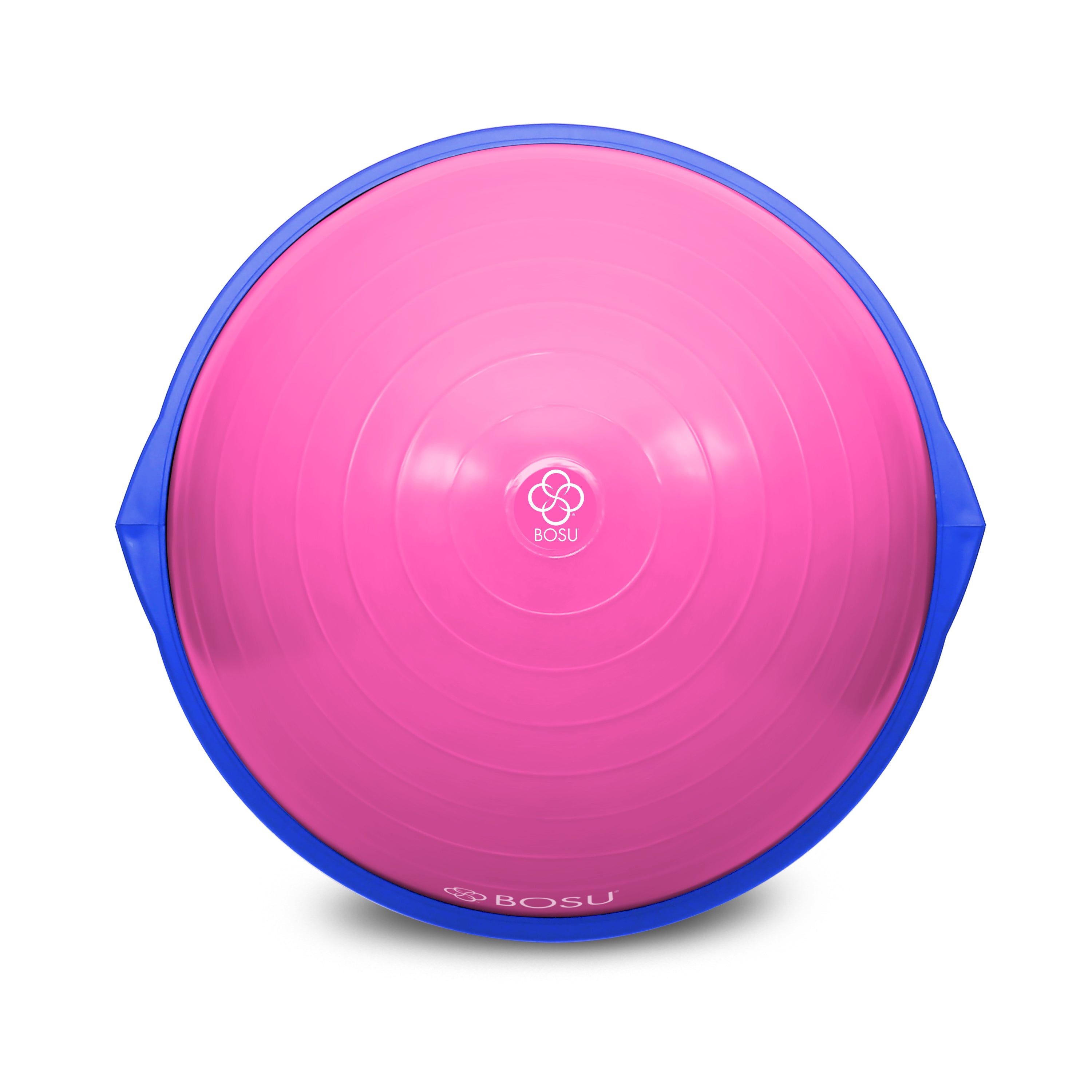
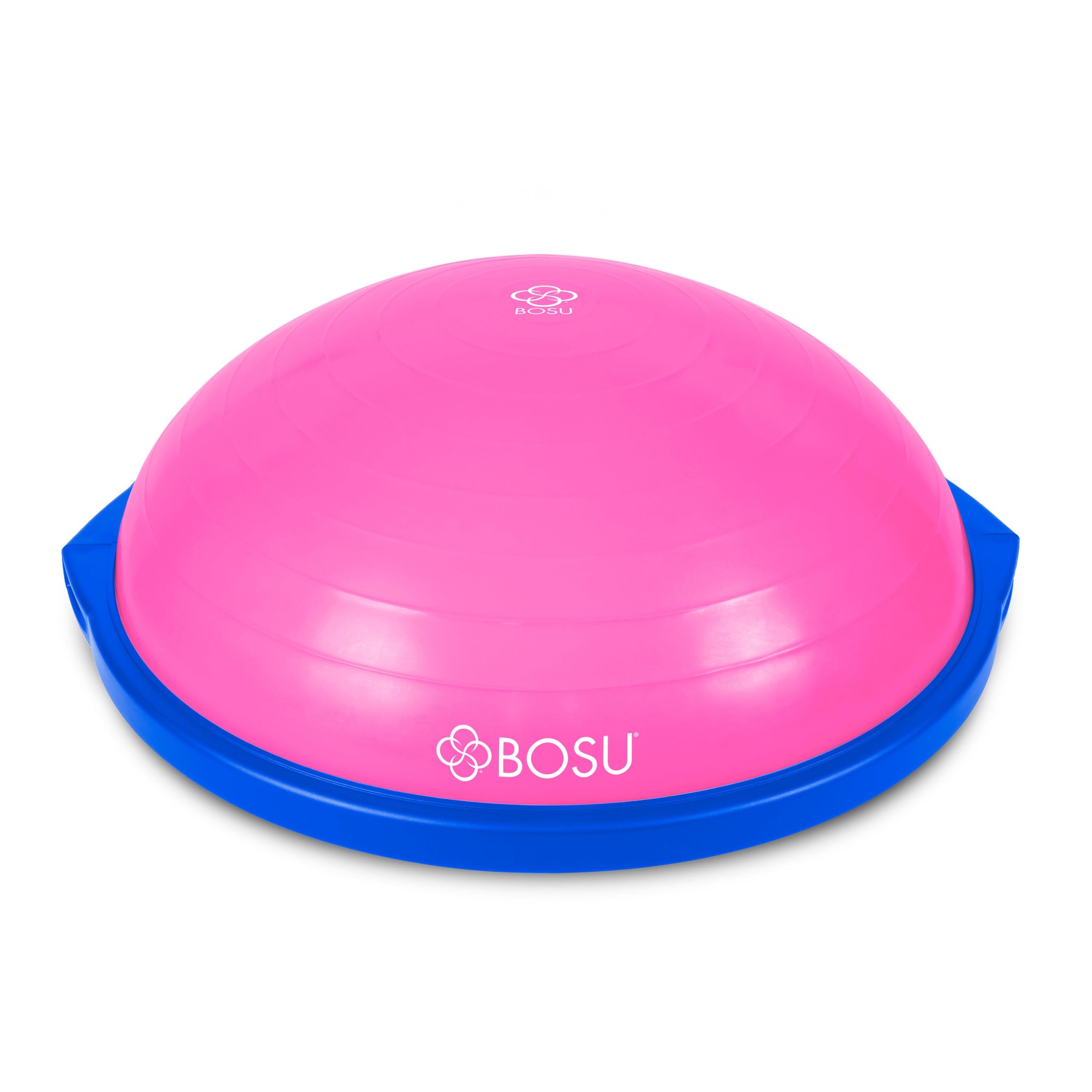
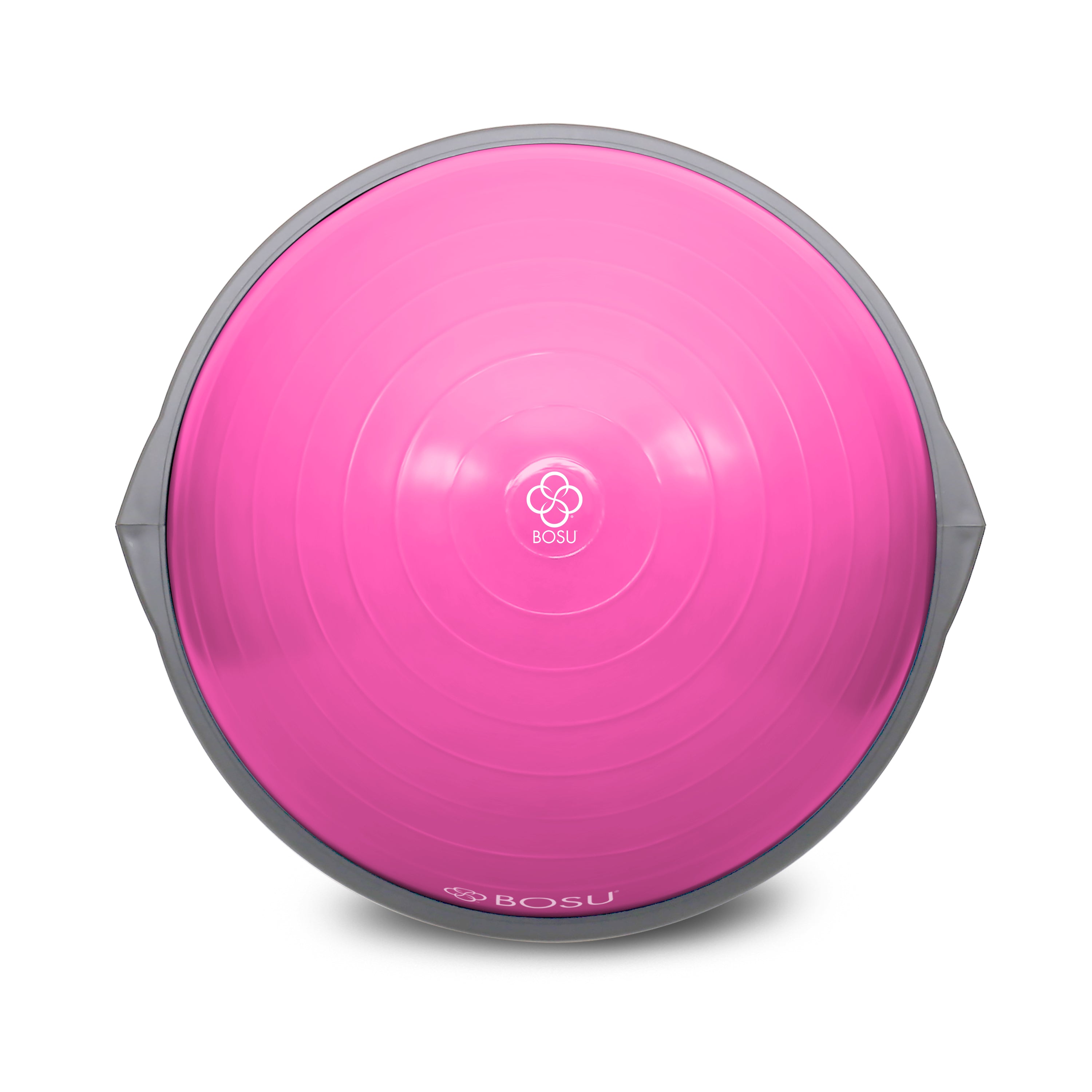
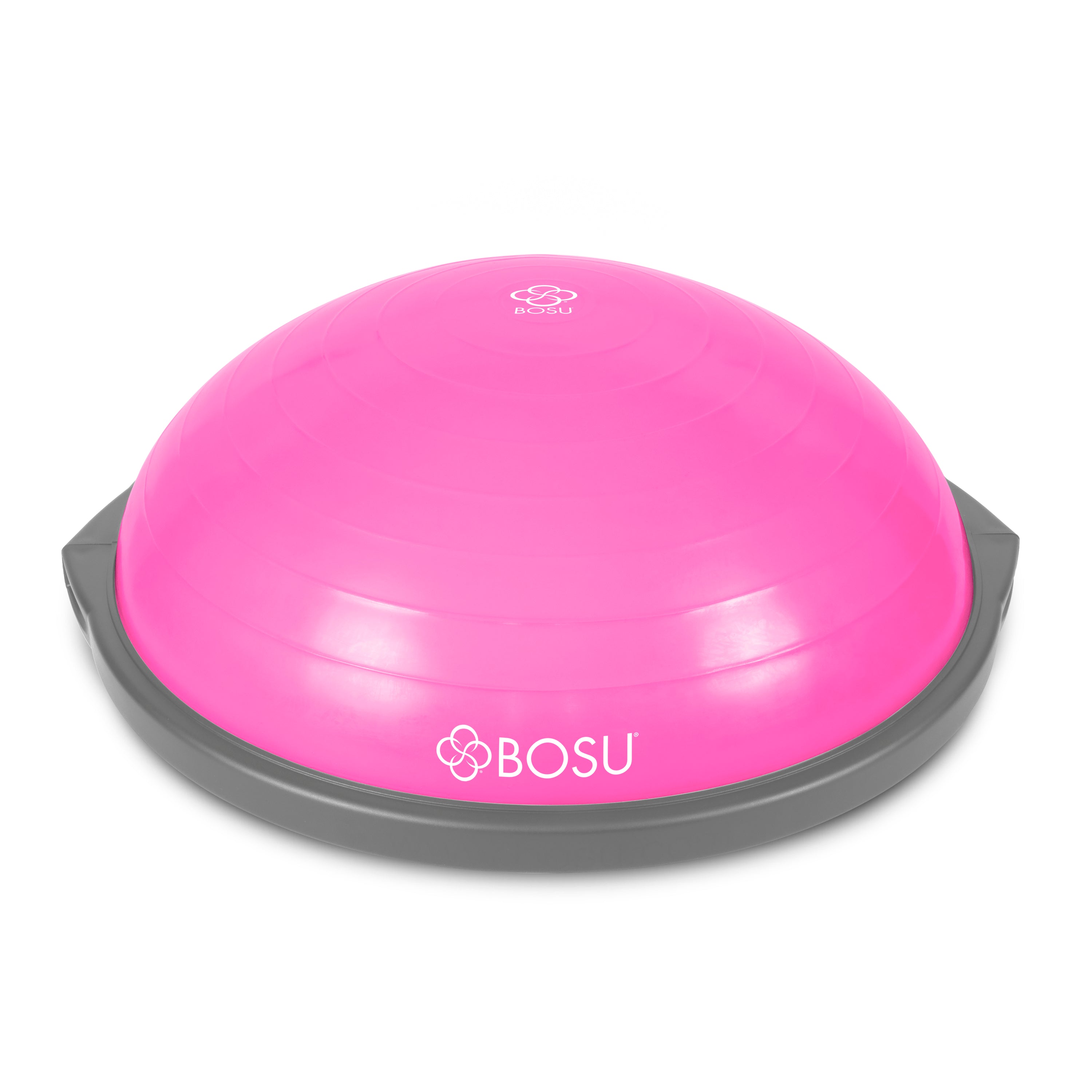
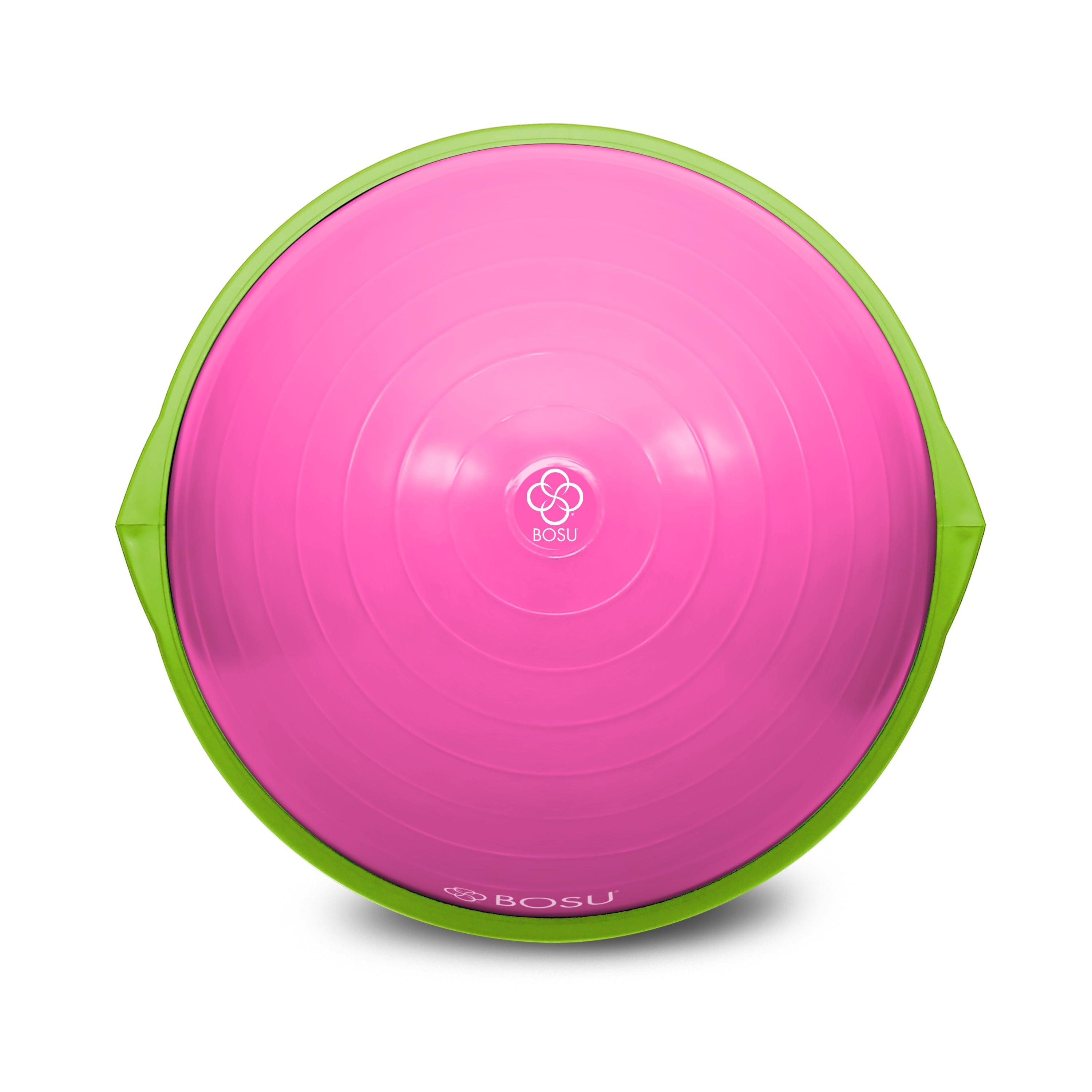
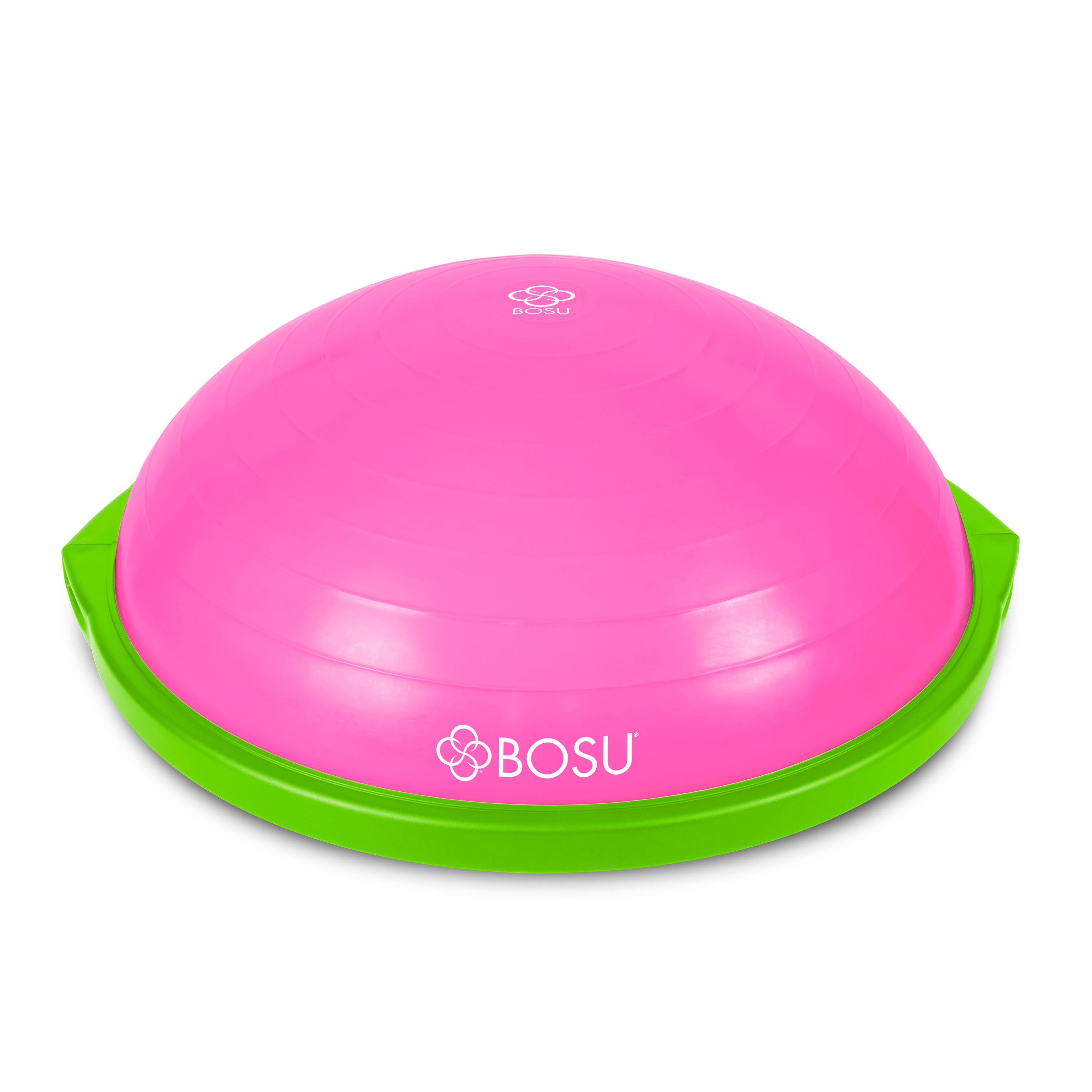
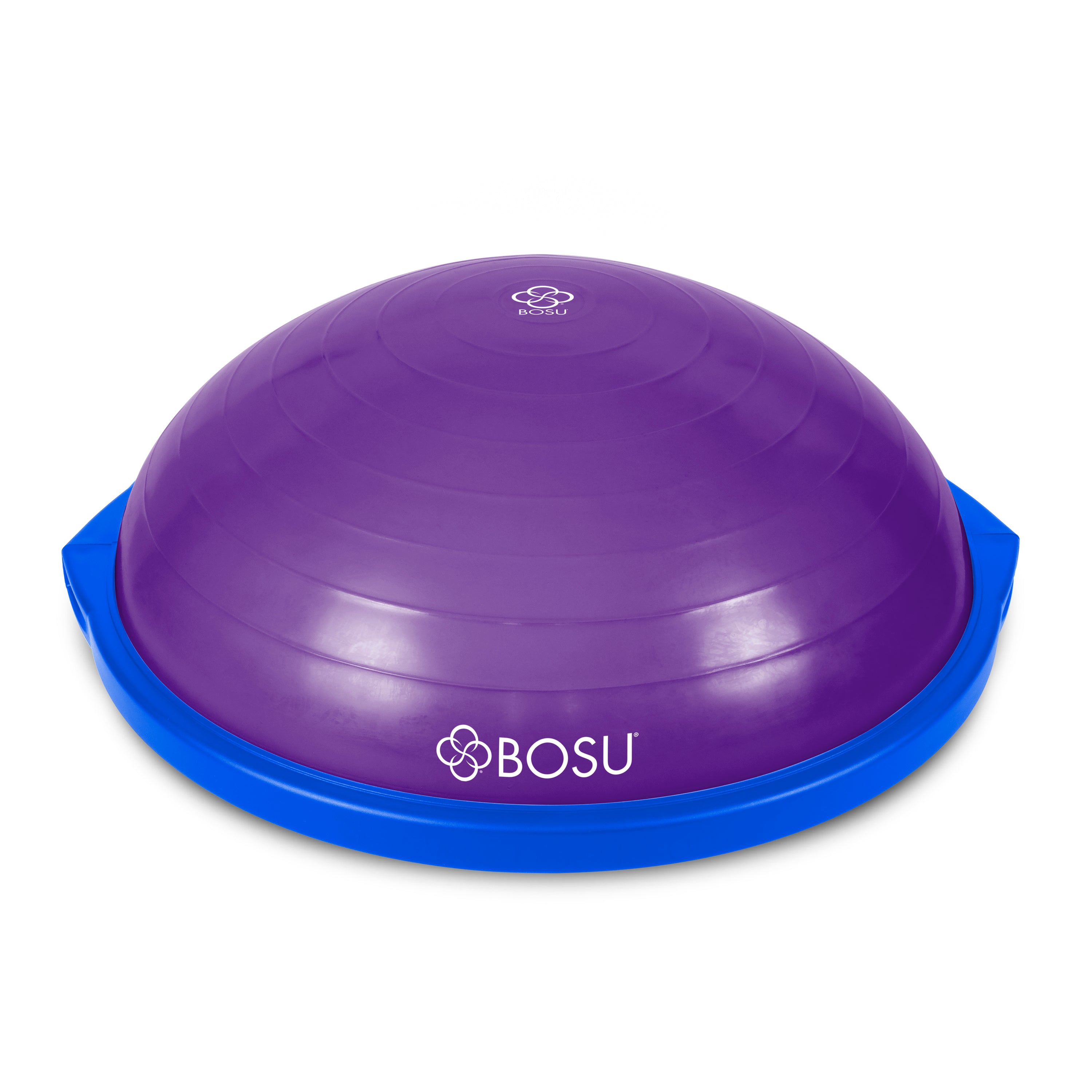
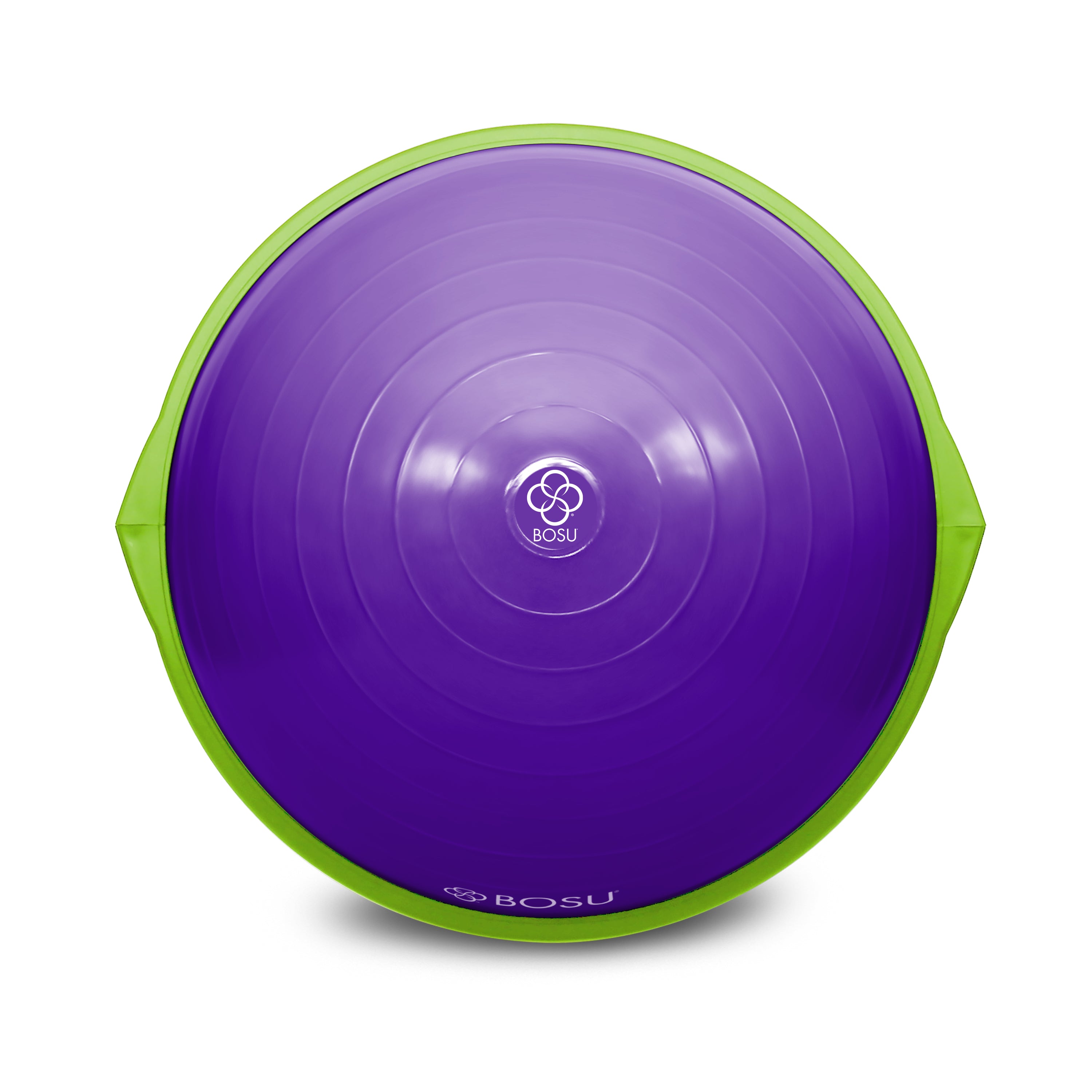
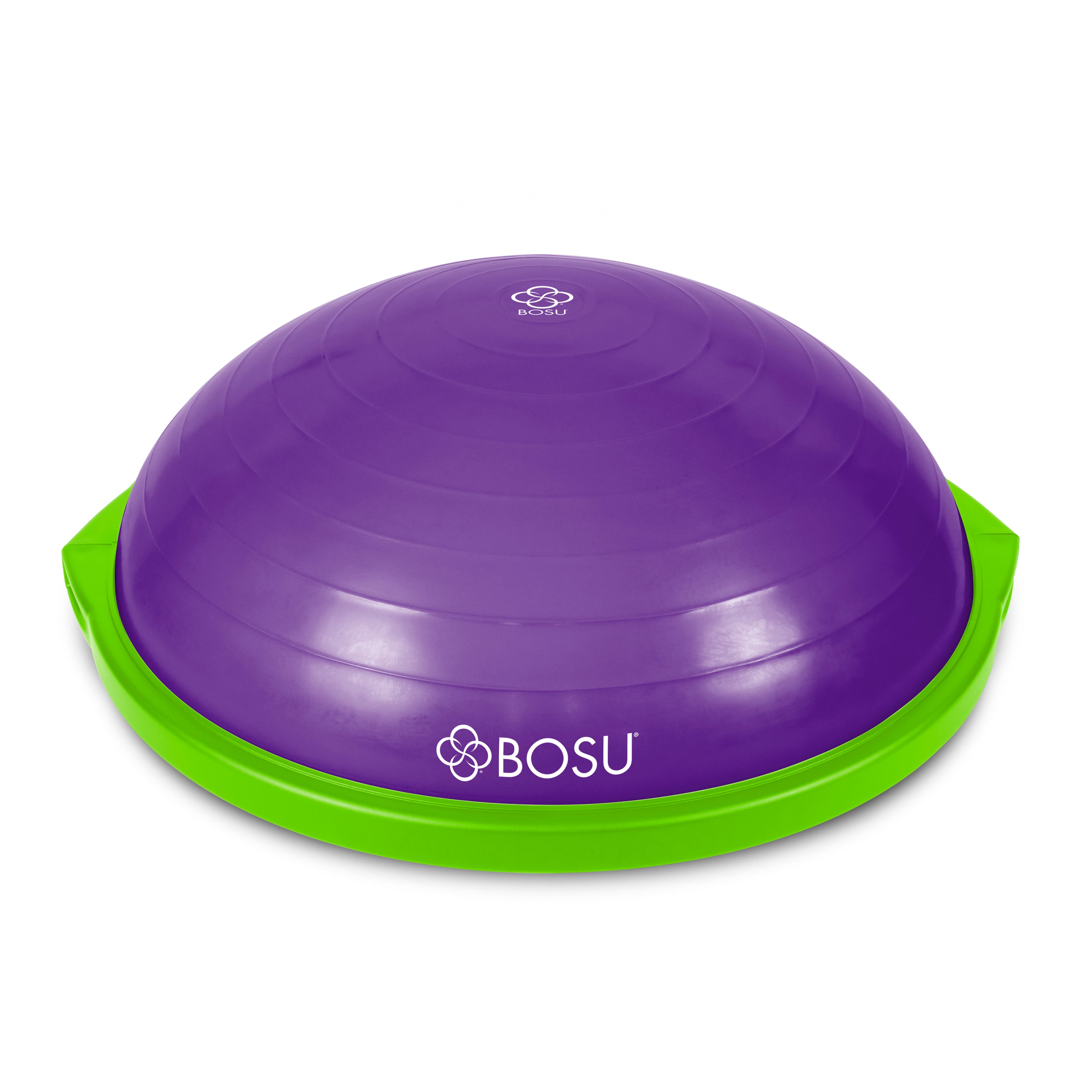
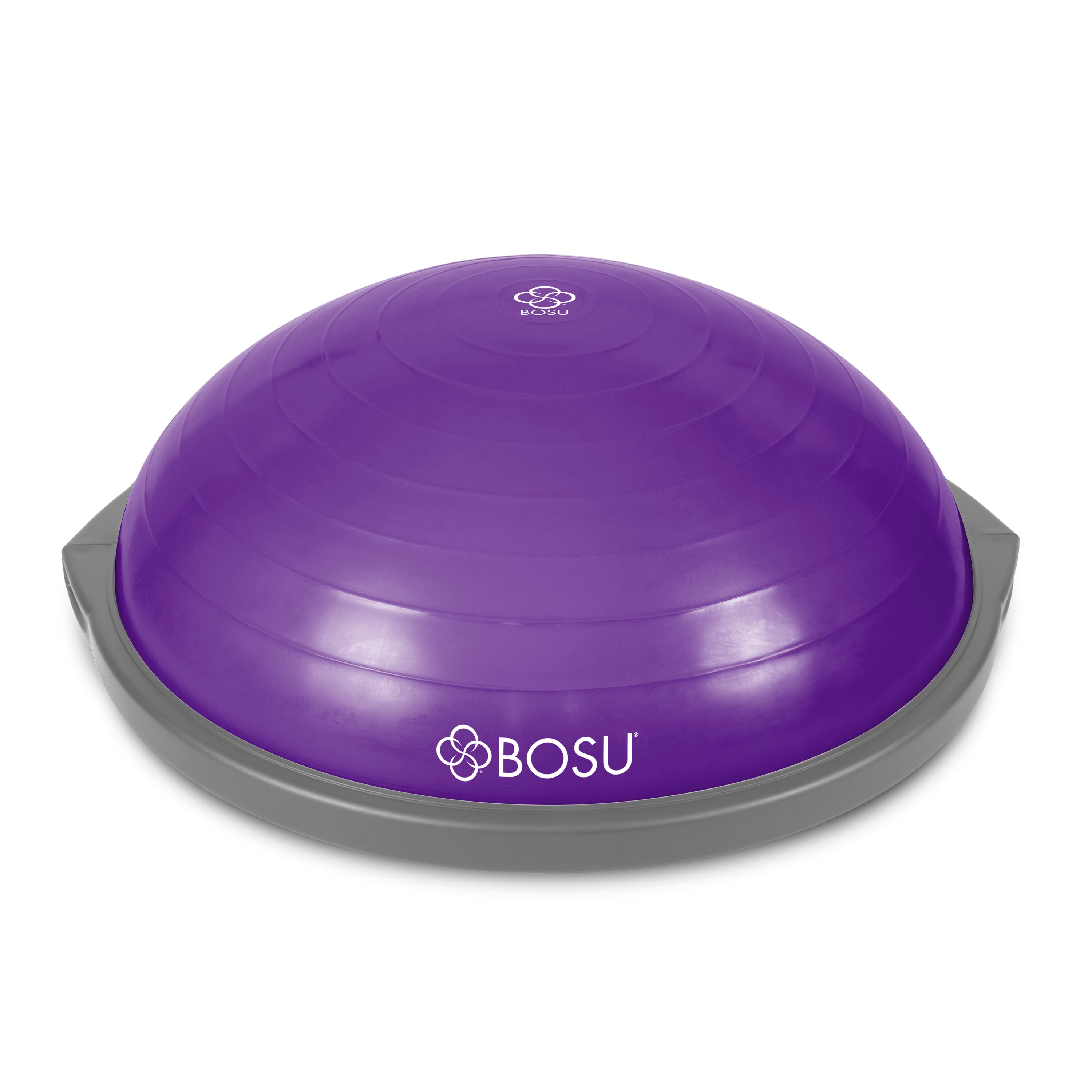
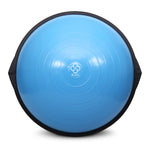
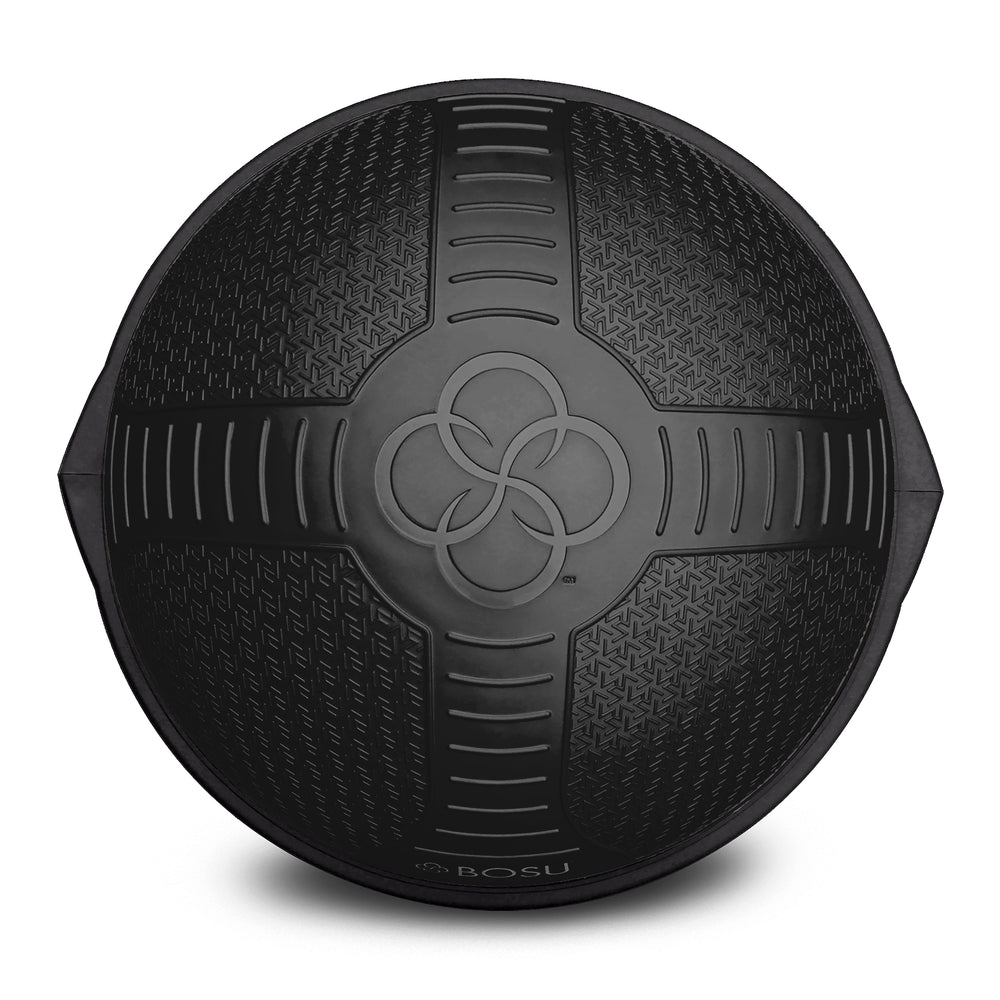
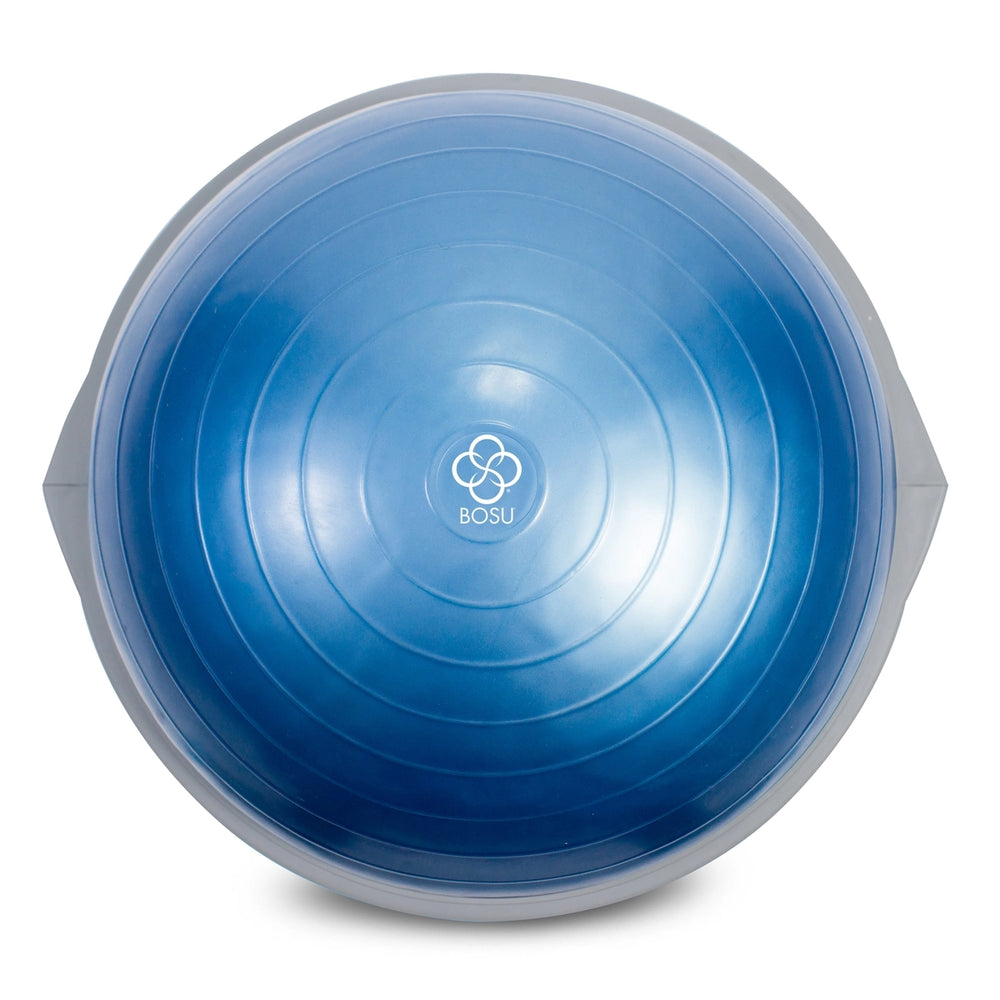
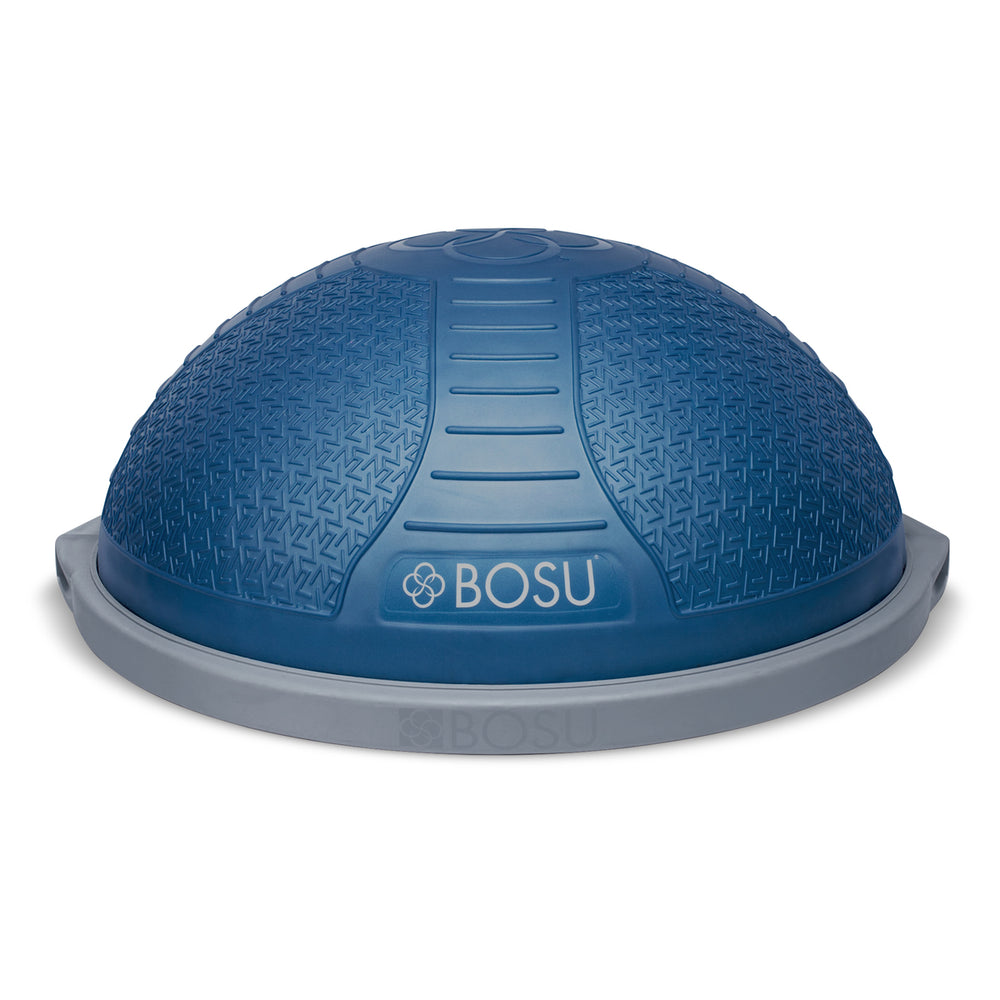
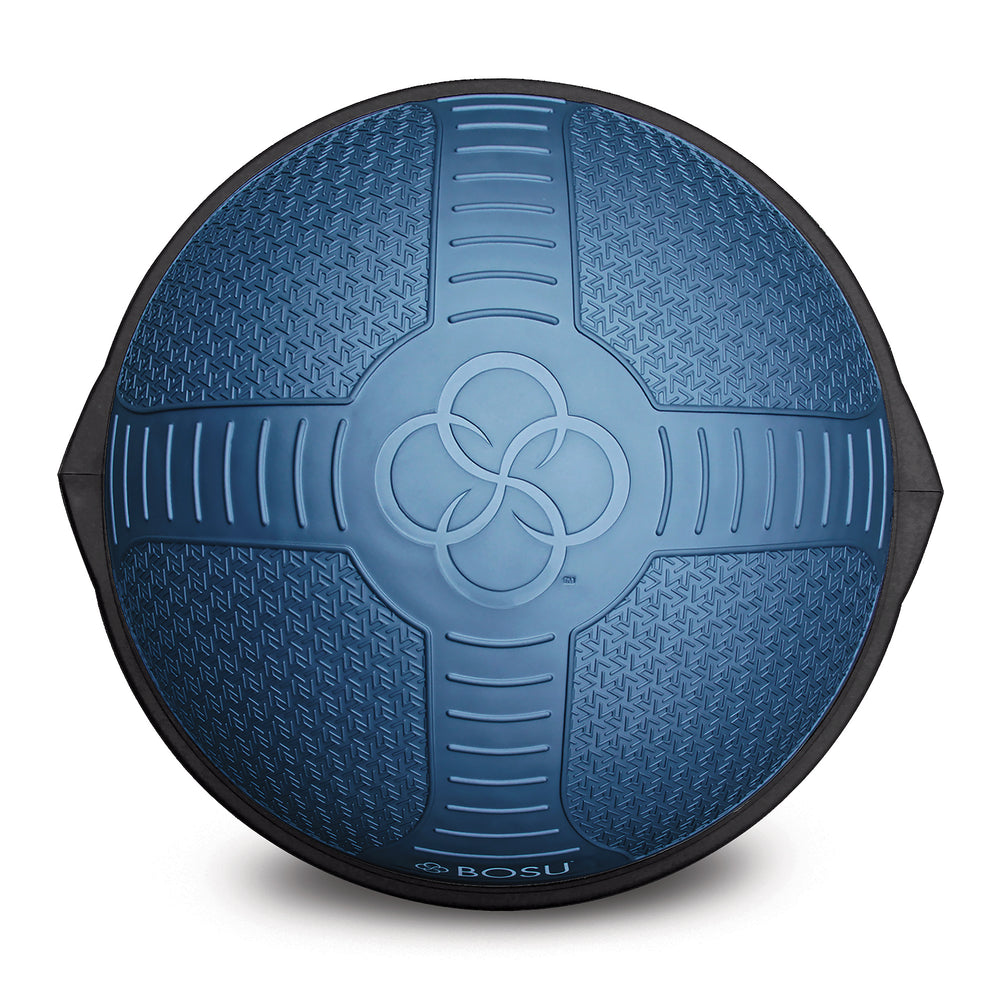
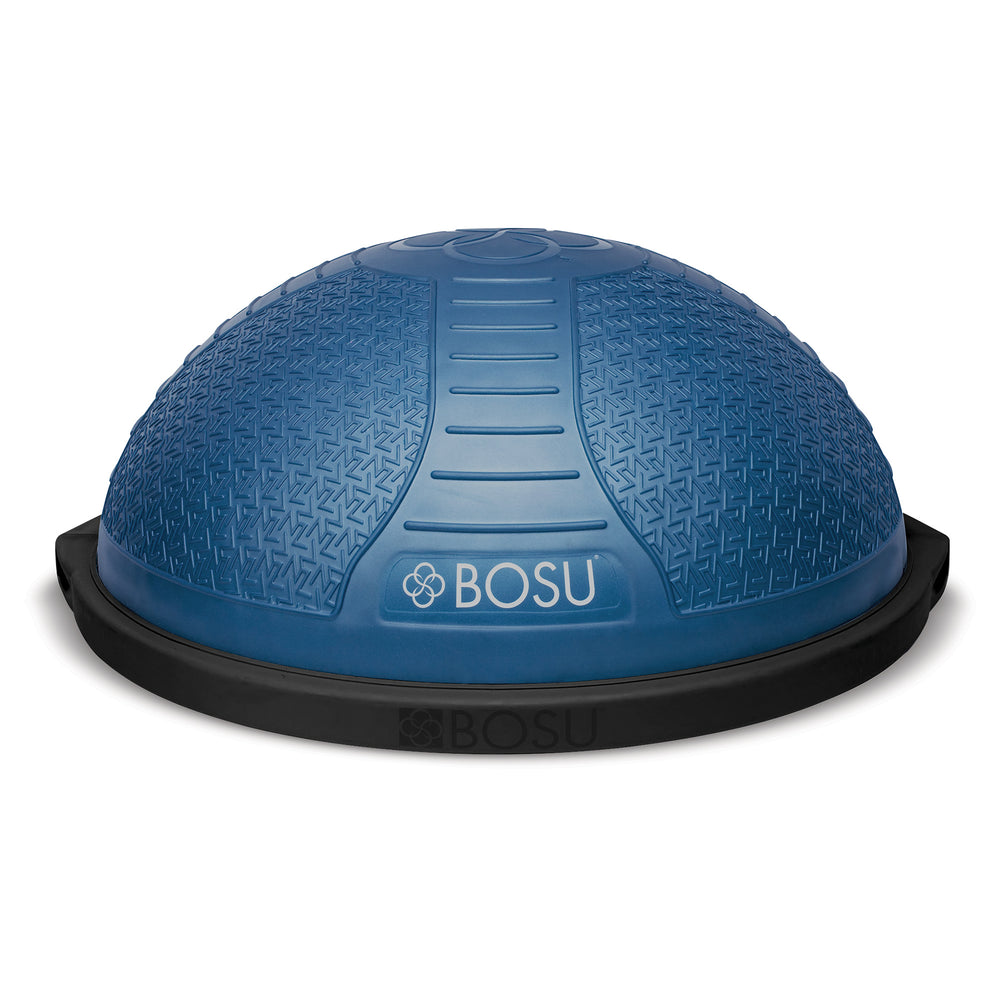
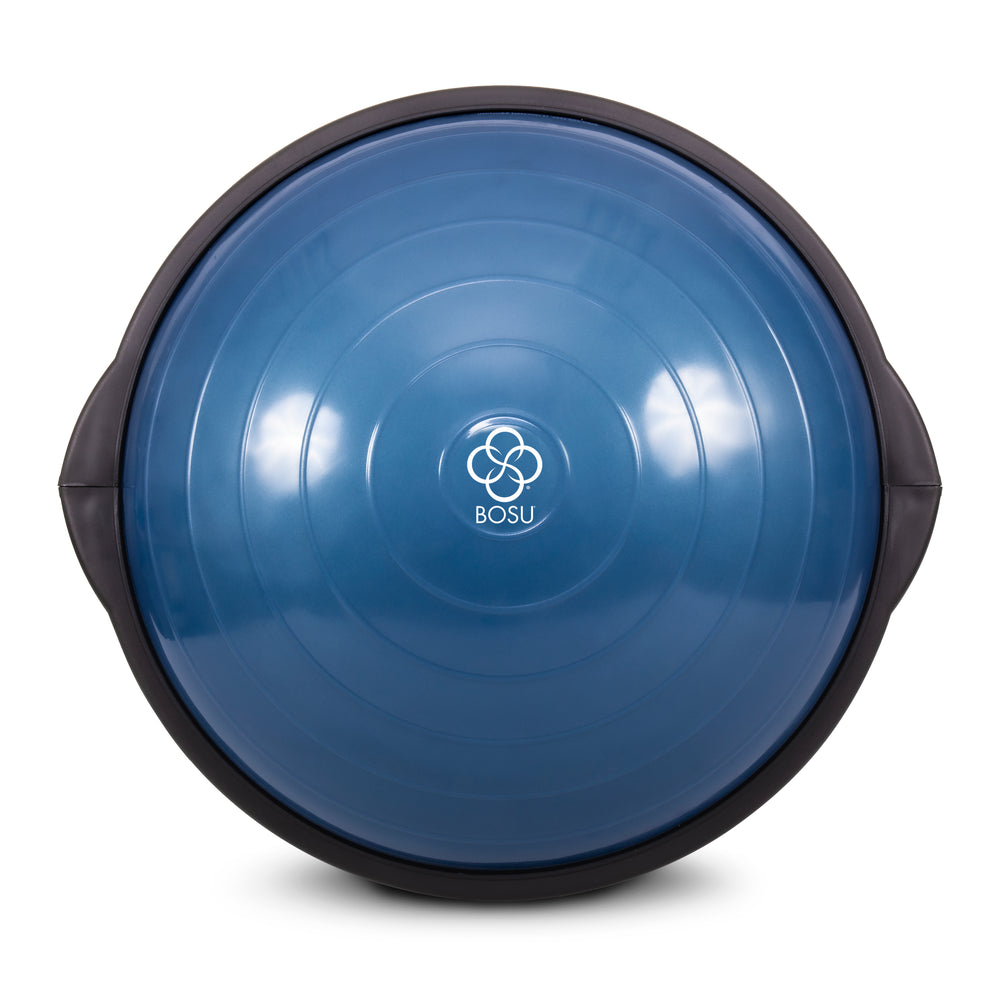
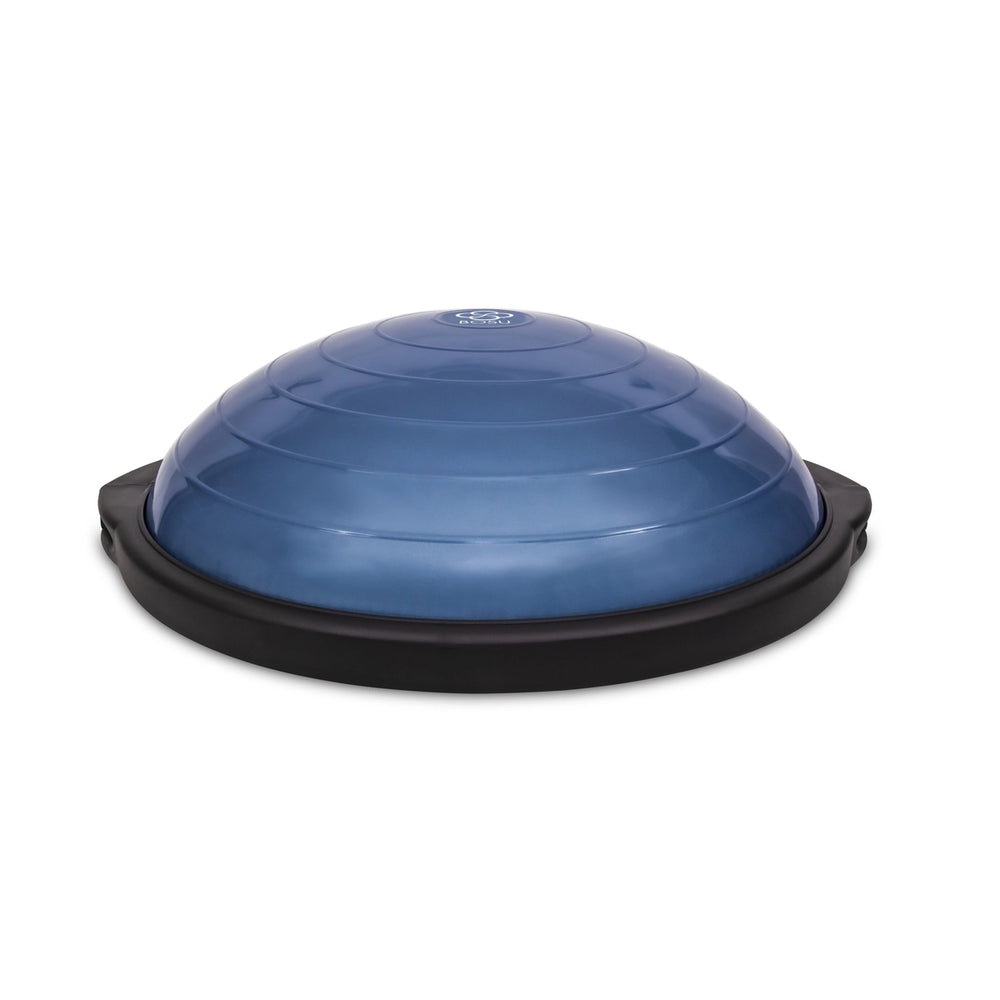
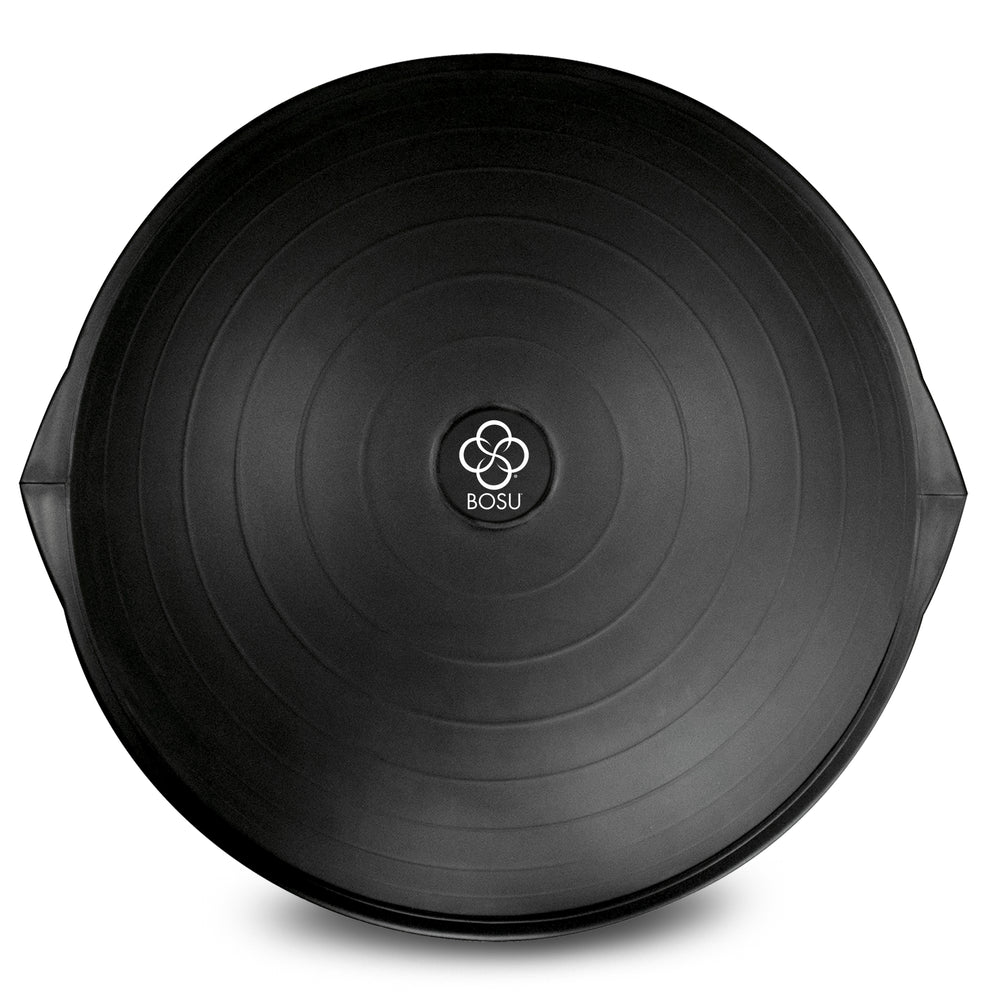
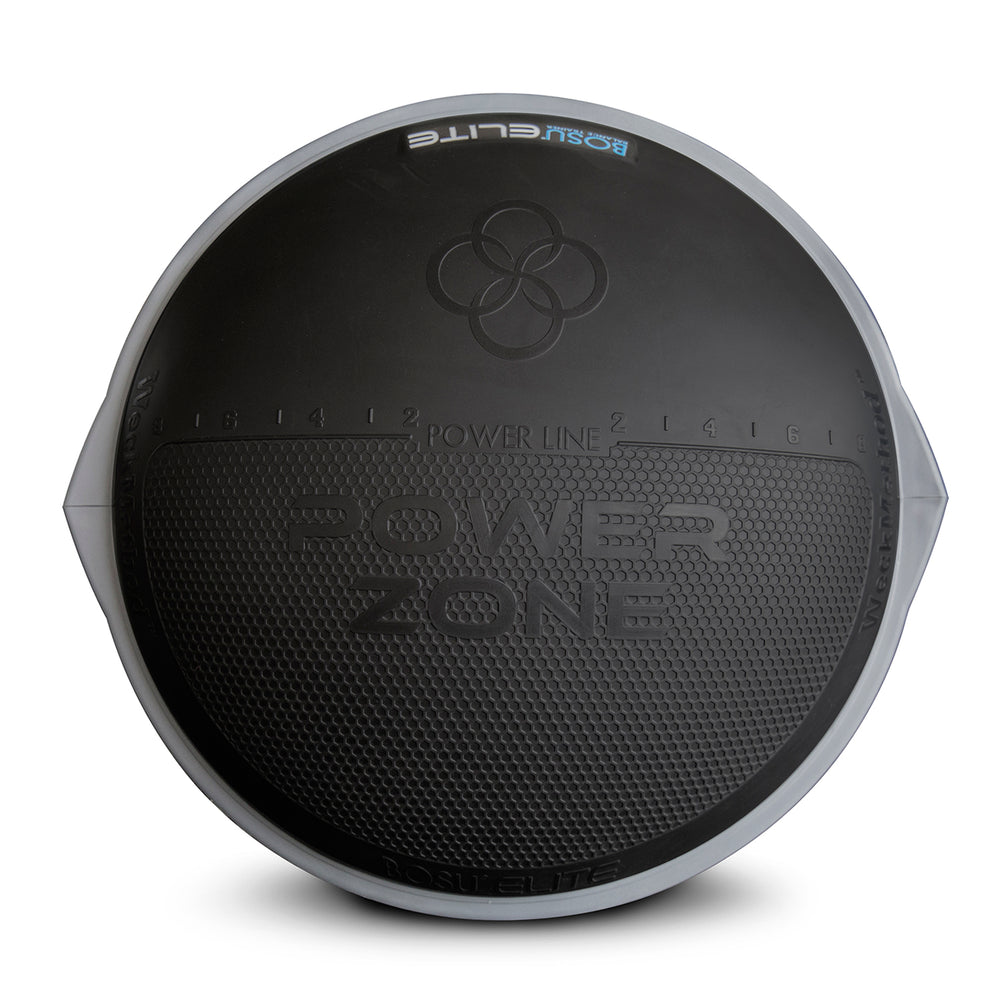
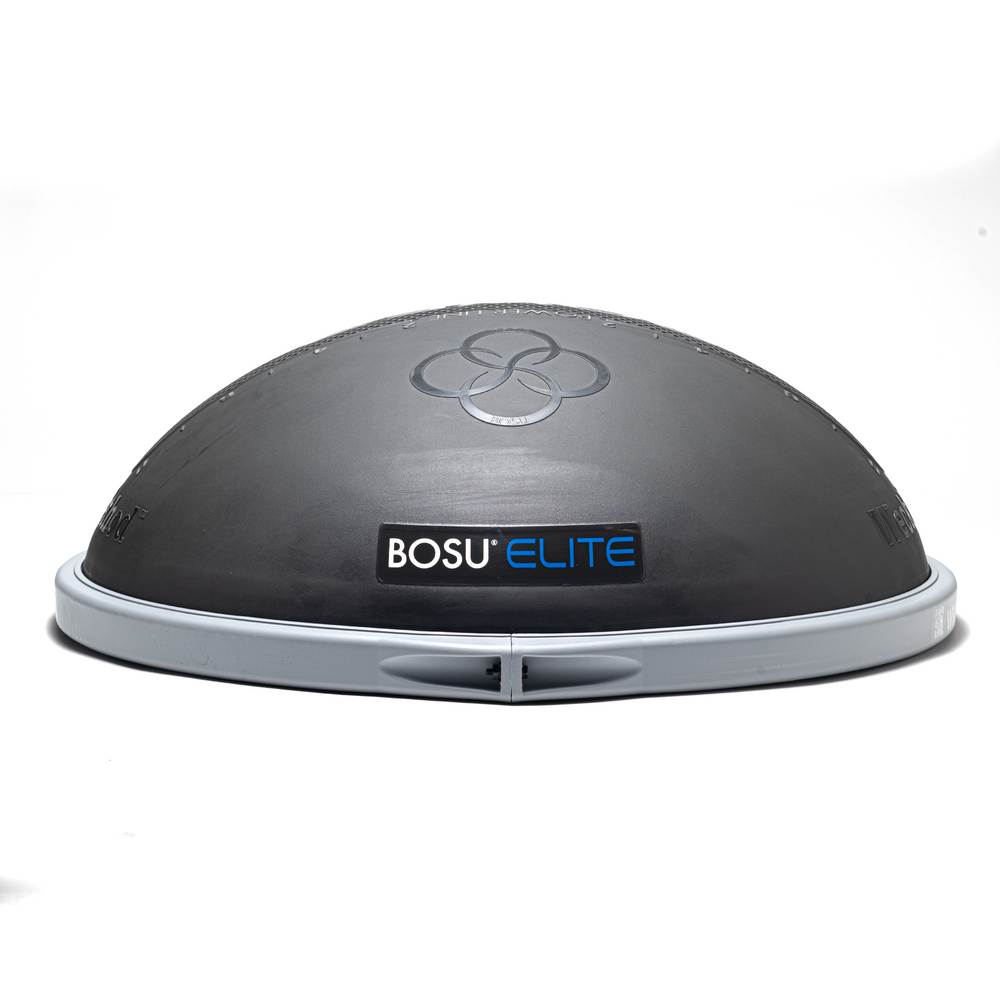
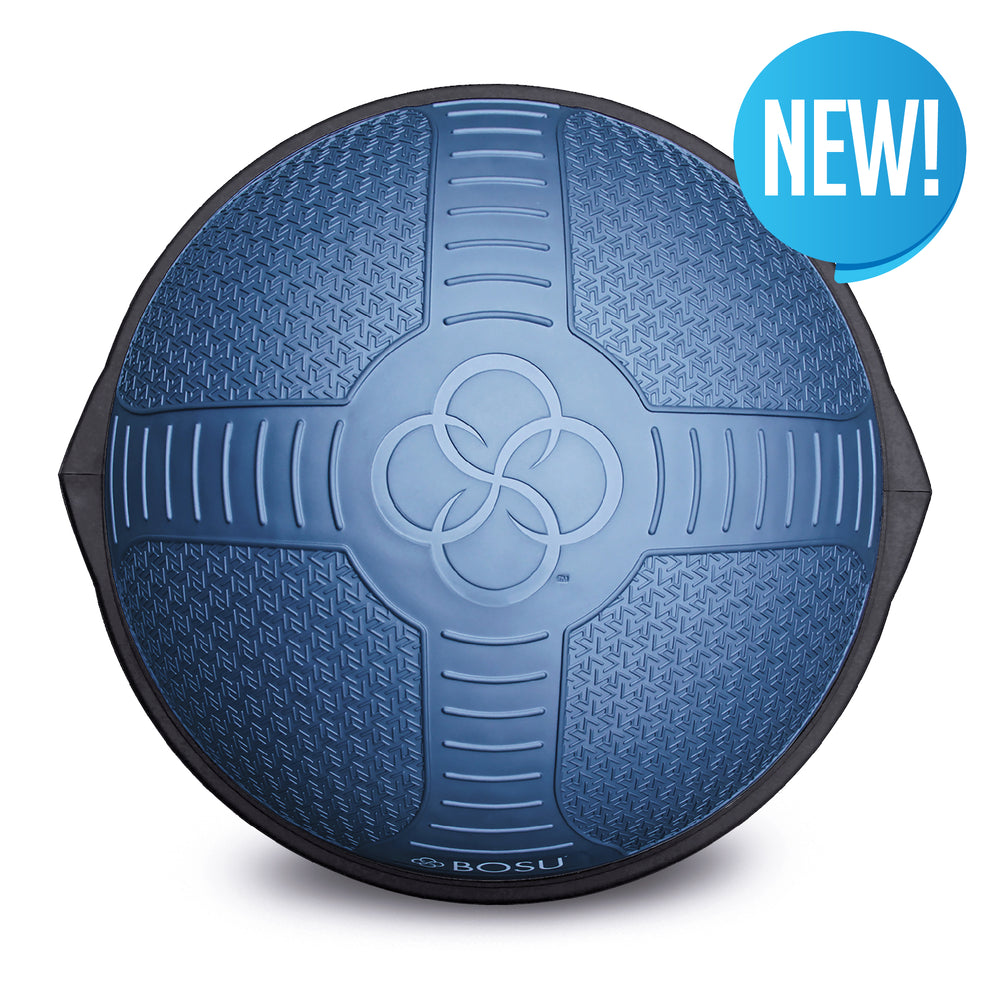
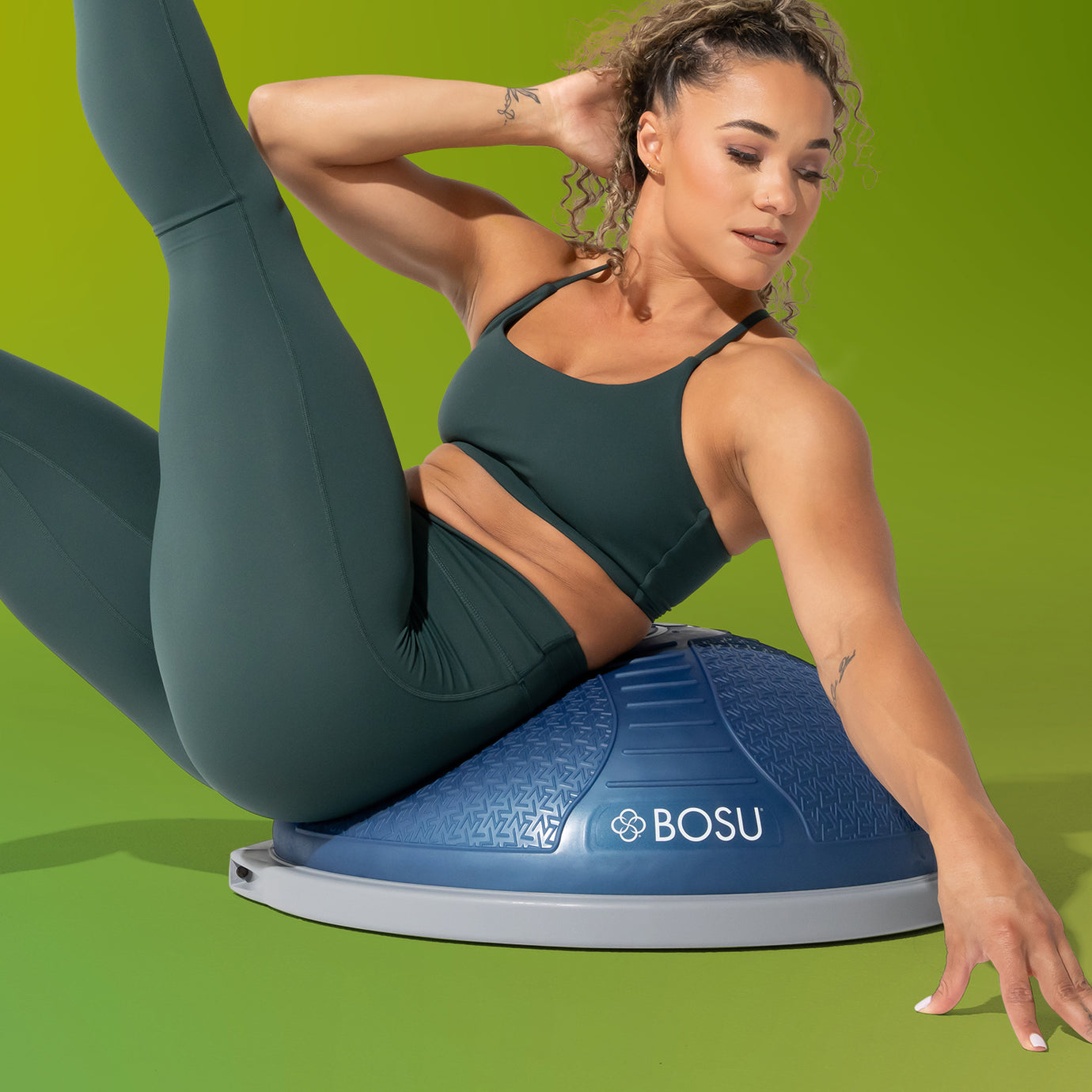
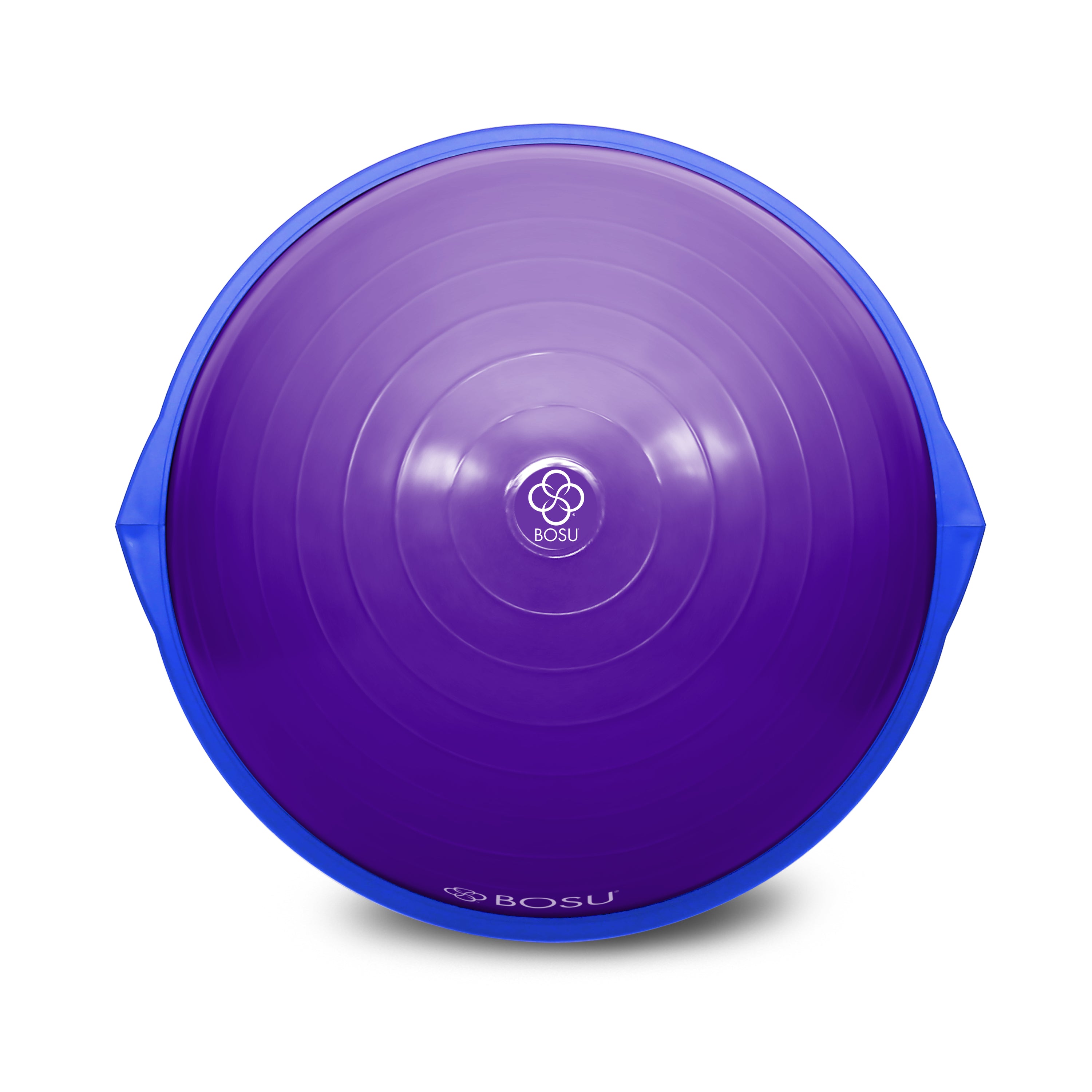
The dome shape of the BT makes it perfect for performing exercises for the lumbar spine while lying in a prone position. It posteriorly tilts the pelvis and flexes the lumbar spine, reducing tension to the lumbar erectors. Furthermore, the air inside the BT dome can be used as resistance during advanced stretching exercises to contract and relax a group of muscles by pressing into the dome surface. This contract/relax technique mimics the way muscles react to real life movements and allows the body respond to specific stretches more effectively. Using the BT in this way makes it an ideal tool to utilize when trying to alleviate back pain caused by excessive lumbar lordosis.
Exercises
| Gluteal Activation Lift | |||
|
|||
|
Movement Directions: Lie face down with center of the hips over top of the BT dome. Posteriorly tilt the pelvis to decrease the arch in the lower back. Lift one leg off the ground about 3 to 6 inches without arching the lower back. Return leg to ground. Perform 10 repetitions on both legs. |
| Hip Flexor Stretch | |||
|
|||
|
Advanced Version: If your or your client has trouble keeping the pelvis posteriorly tilted and glutes activated during either version of the stretch, simply go back to the first exercise (see "Gluteal Activation Lift") to facilitate the required movements and muscle activations. |
| Contract/Relax Rectus Femoris Stretch | |||
|
|||
|
Movement Directions: If you or your client has trouble keeping the pelvis posteriorly tilted and glutes activated during either version of the stretch, simply go back to the first exercise (see "Gluteal Activation Lift") to facilitate required movements and muscle activations. |
| Toe Touches with Pushdown | |||
|
|||
|
Movement Directions: |
About the Author:
Justin Price is co-owner of The BioMechanics, a private training facility located in San Diego, CA, that specializes in providing exercise alternatives for sufferers of chronic pain. He is also the co-creator of The BioMechanics Method which is a method for pain reduction that combines structural assessment, movement analysis, corrective exercise and life coaching that teaches trainers how to help clients alleviate chronic pain and improve their function. He was named International Personal Trainer of the Year in 2006 by the worlds' leading organization of health and fitness professionals, IDEA Health and Fitness Association, and has helped thousands of people around the world overcome pain and injury through his methods. For more information about Justin or The BioMechanics Method go to www.thebiomechanics.com.
References:
Golding, Lawrence A. and Golding, Scott M. Fitness Professionals' Guide to Musculoskeletal Anatomy and Human Movement. Monterey, CA: Healthy Learning, 2003.
Gray, Henry. Gray's Anatomy. New York: Barnes & Noble Books, 1995.
Kendall, Florence P., McCreary, Elizabeth K. and Provance, Patricia G. Muscles: Testing and Function. Philadelphia, Lippincott Williams & Wilkins, 1993.
Myers, Thomas. Anatomy Trains: Myofascial Meridians for Manual and Movement Therapists. Edinburgh, Churchill Livingstone, 2001.
Price, Justin. "A Step-by Step Guide to Corrective Exercise Program Design". Lenny McGill Productions, 2008.
Price, Justin. "A Step-by Step Guide to the Fundamentals of Corrective Exercise". Lenny McGill Productions, 2006.
Price, Justin. "A Step-by Step Guide to the Fundamentals of Structural Assessment". Lenny McGill Productions, 2006.
Price, Justin. "A Step-by Step Guide to the Understanding Muscles and Movement". Lenny McGill Productions, 2008.
Schamberger, Wolf. The Malalignment Syndrome: Implications for Medicine and Sport. Edinburgh: Churchill Livingstone, 2002.
Taylor, Paul M. and Taylor, Diane K. (Eds.). Conquering Athletic Injuries. Champaign, IL: Leisure Press, 1988.
Whiting, William C. and Zernicke, Ronald F. Biomechanics of Musculoskeletal Injury. Champaign, IL: Human Kinetics, 1998.