


|
|
Table 1 - Brain Structures Stimulated by Balance Training
|
|
Brain Structure
|
Function of Brain Structure
|
Training Application
|
|
Spinal Cord |
-
Conveys proprioceptive information to higher levels of the CNS and back to the muscles via motor fibers.
-
Necessary for muscle tone and joint stabilization as well as antagonistic and synergistic patterns of muscle contraction (coordination).
|
-
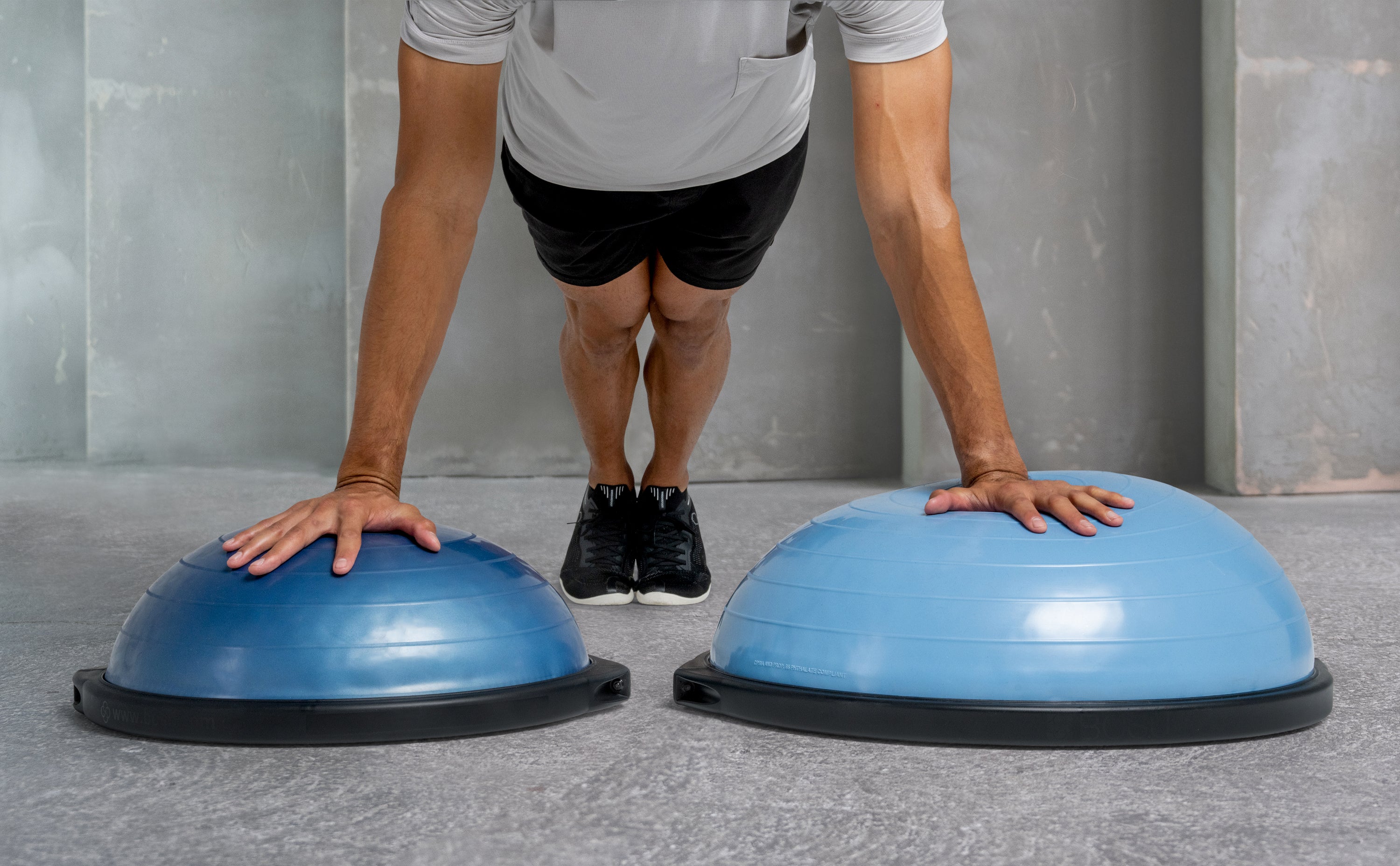
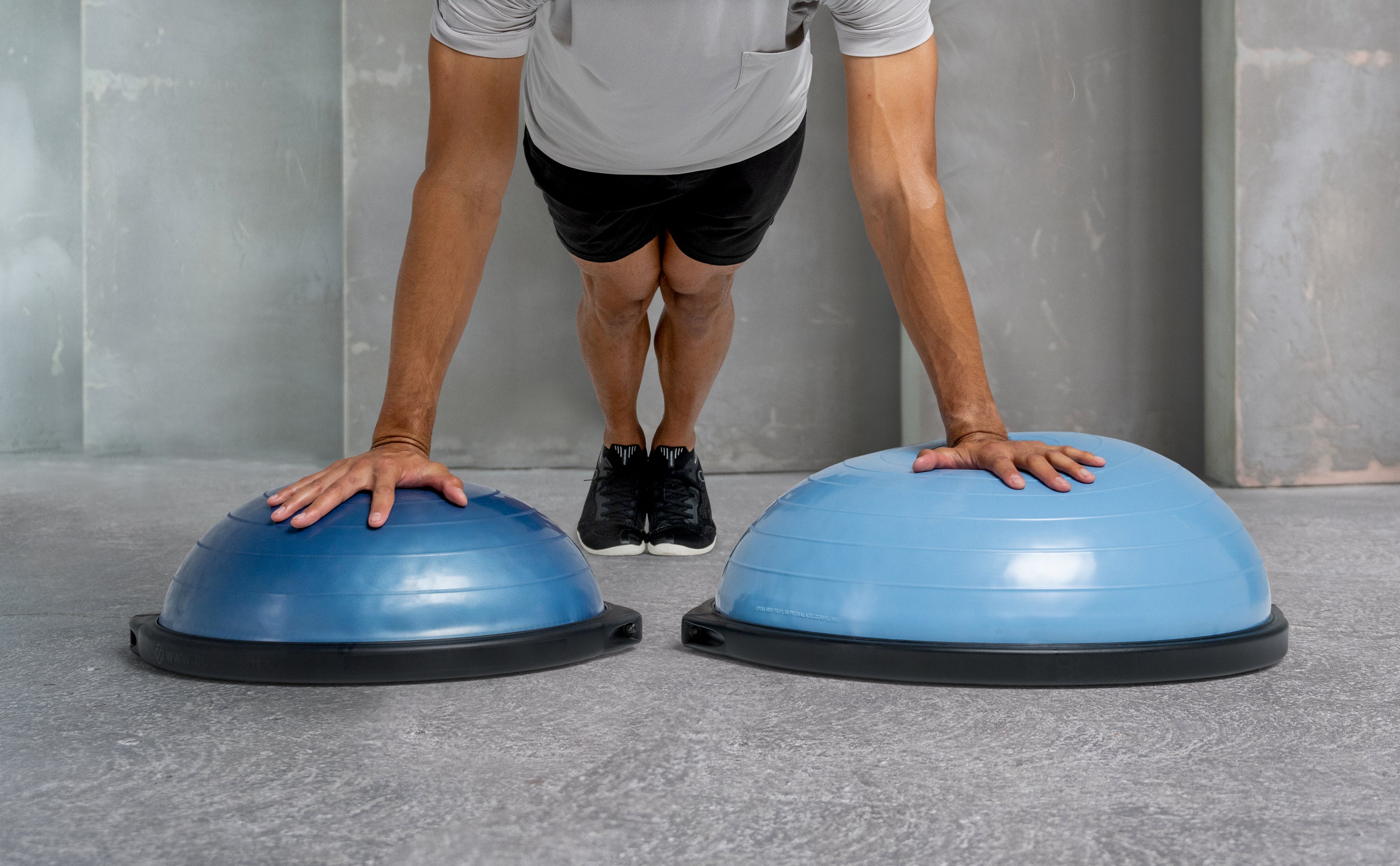
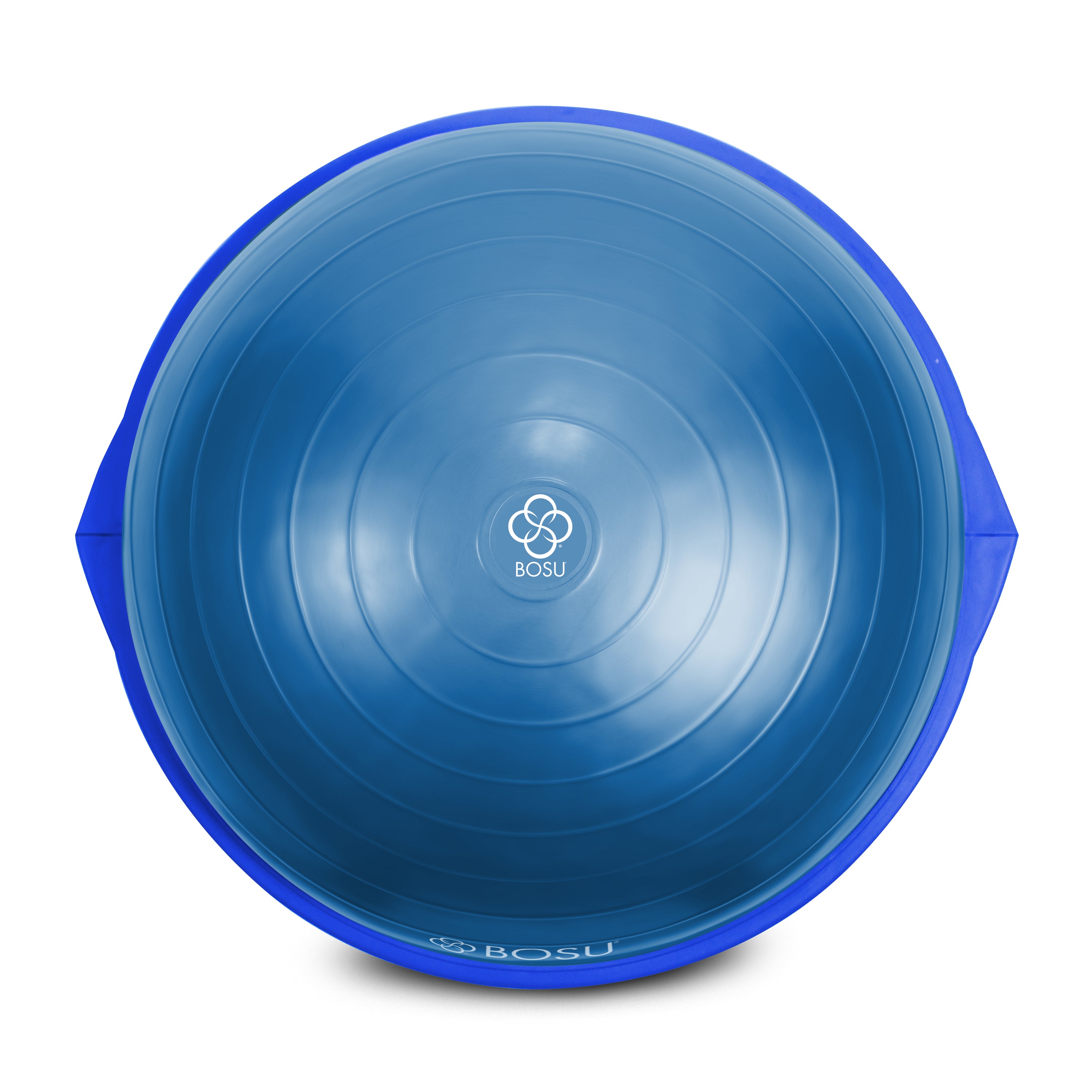
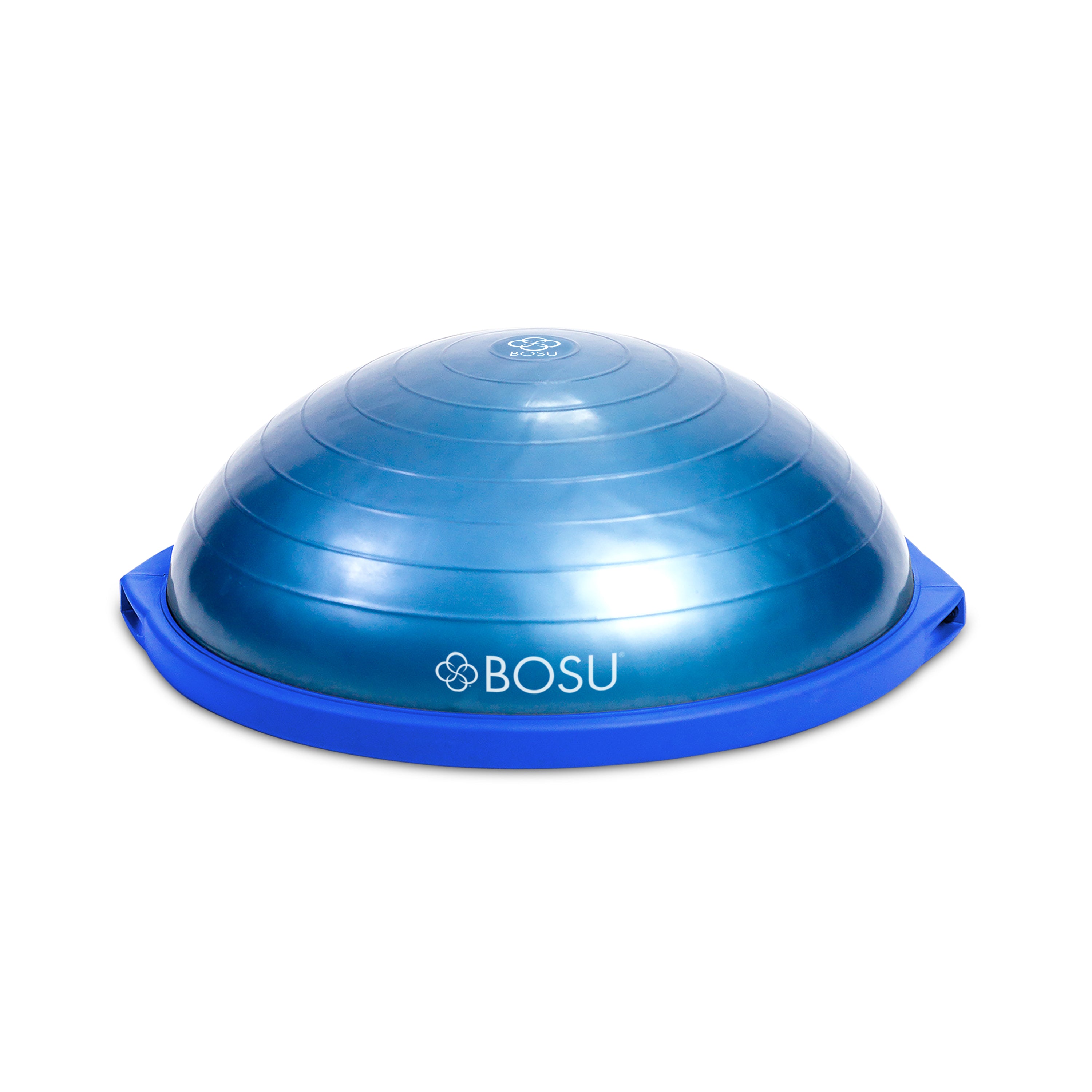
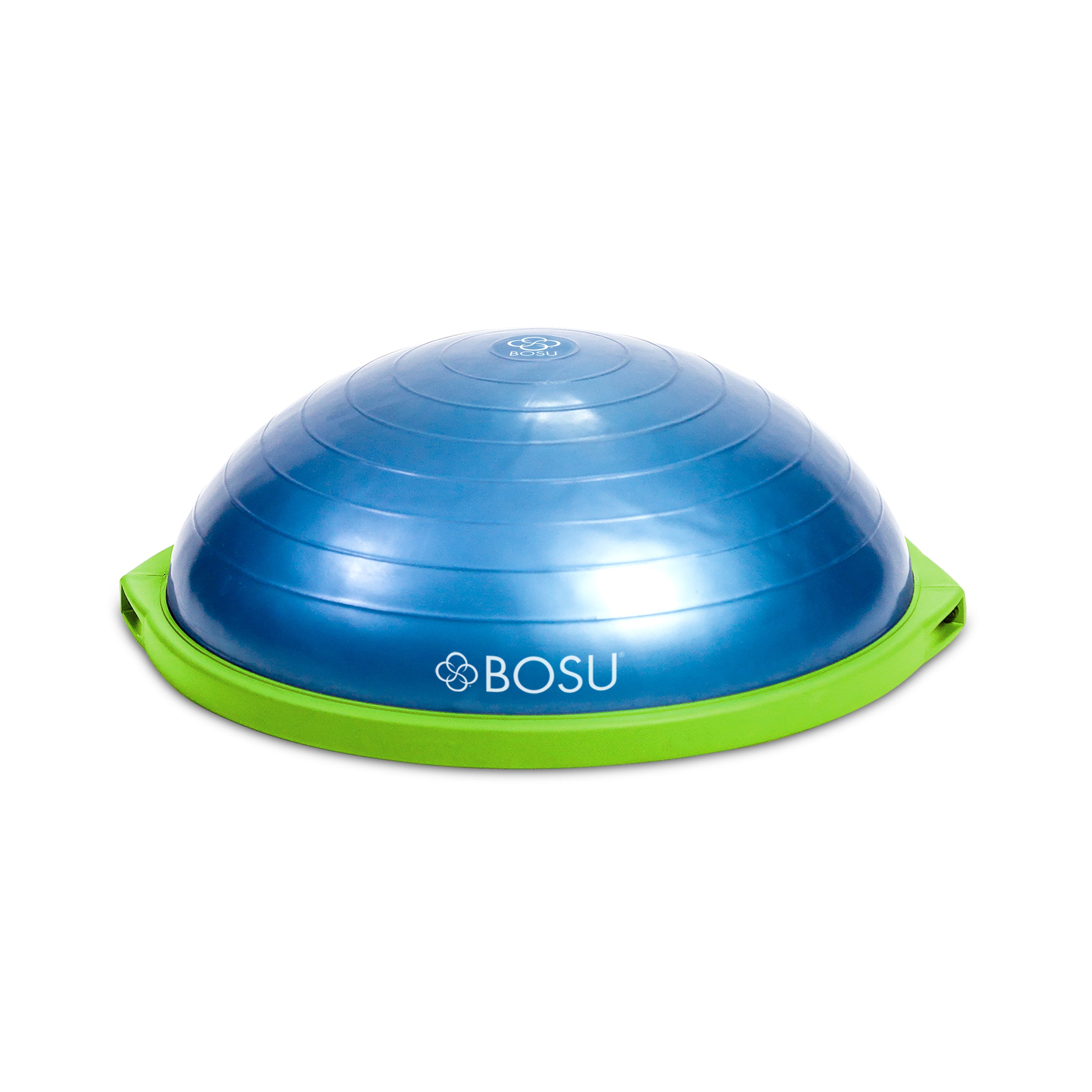
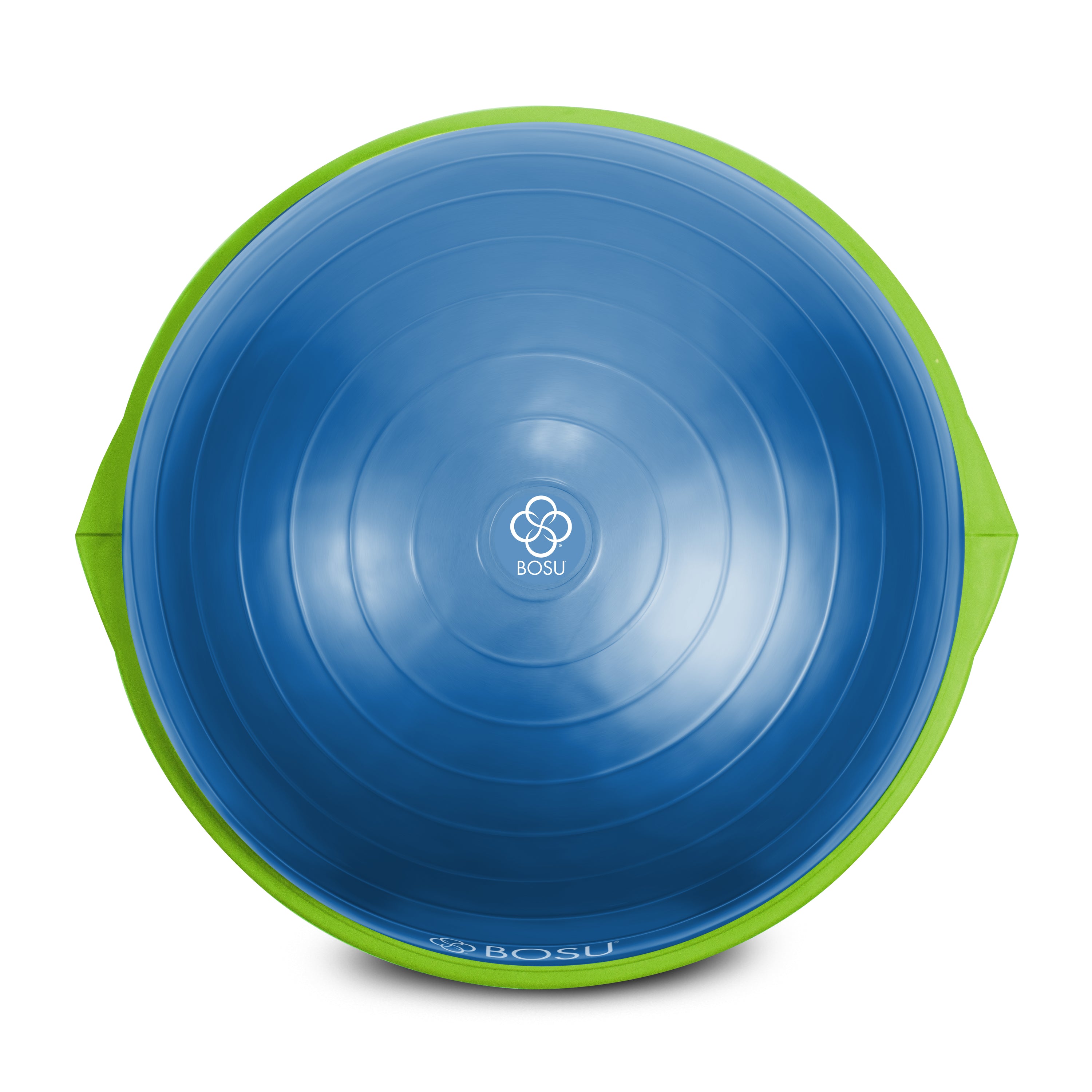
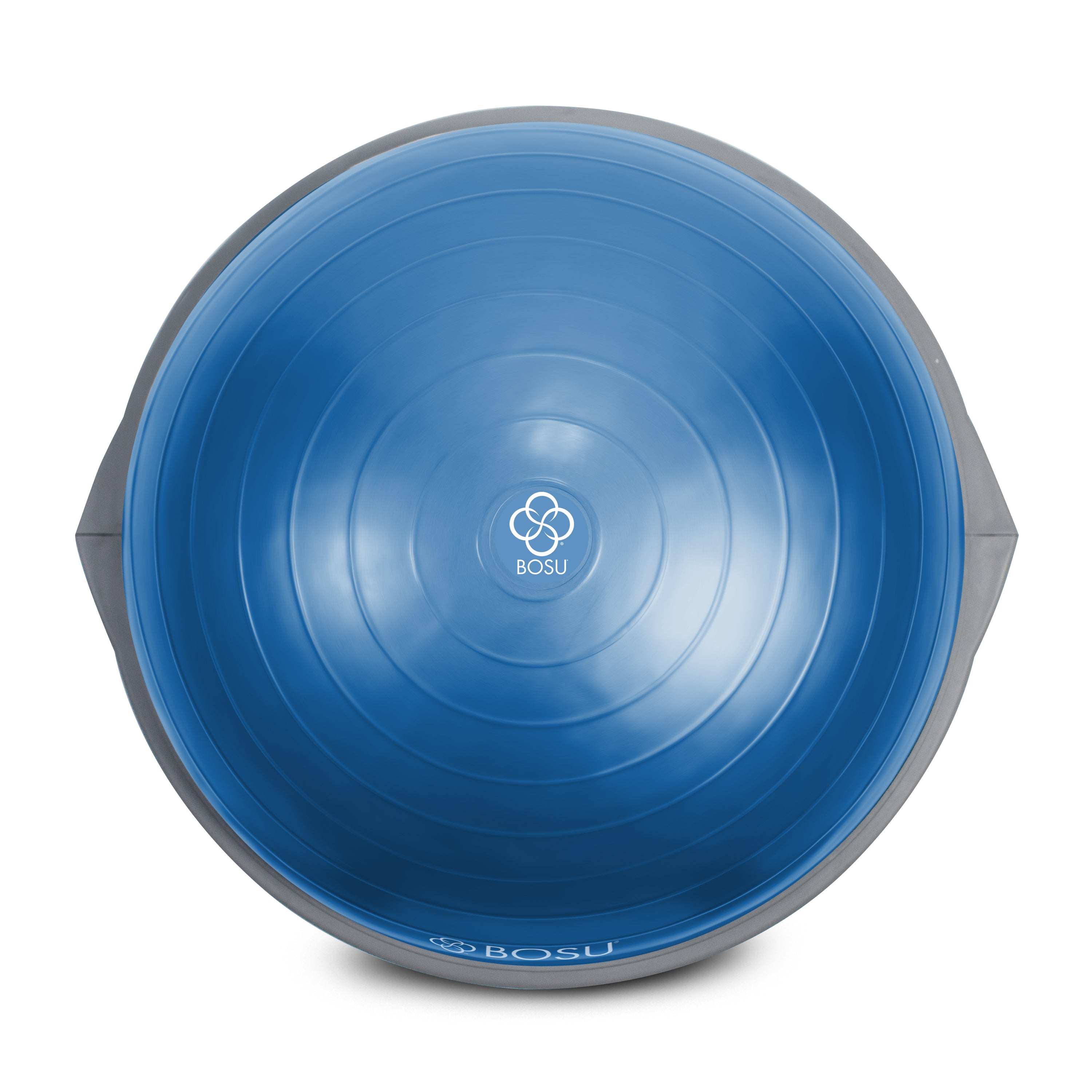
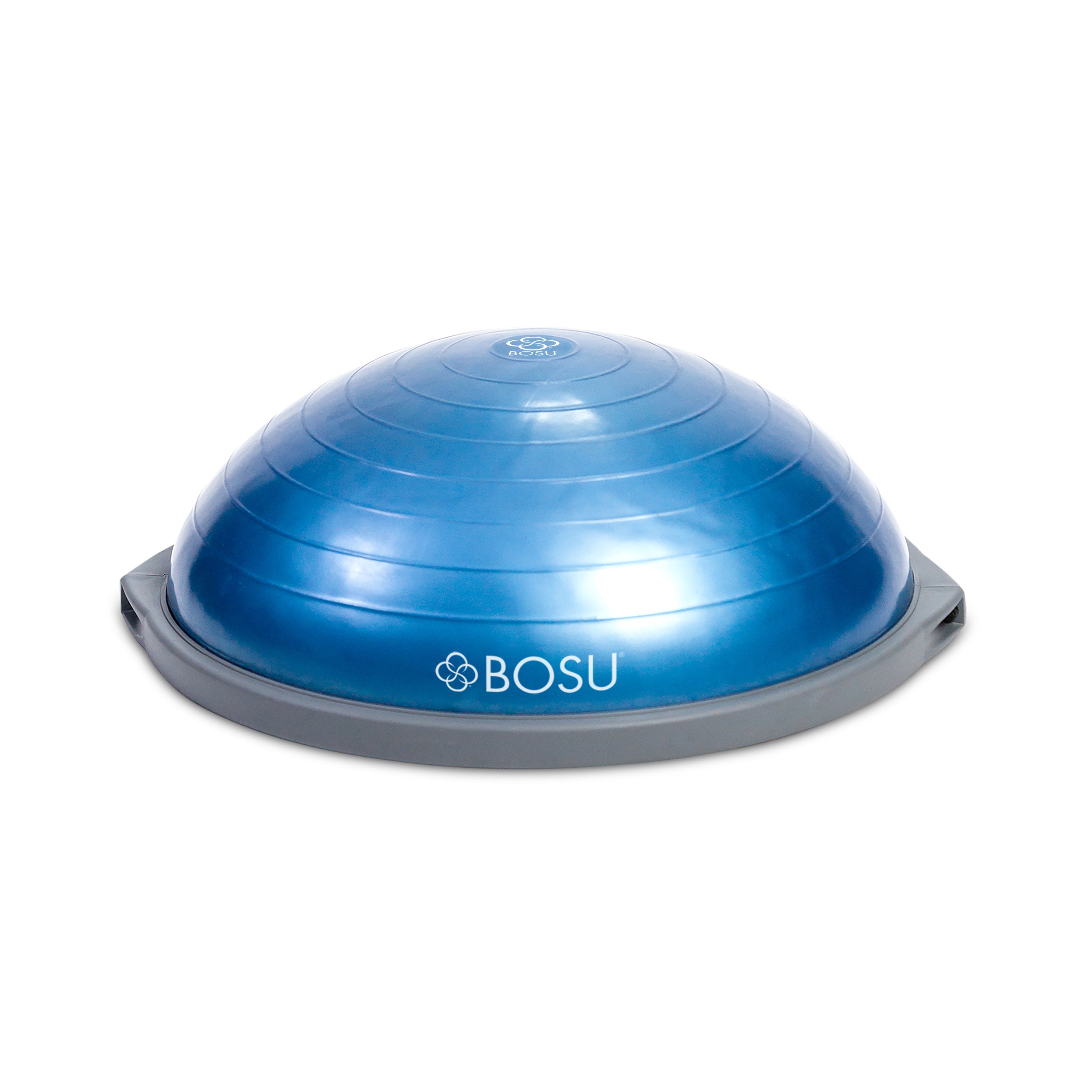
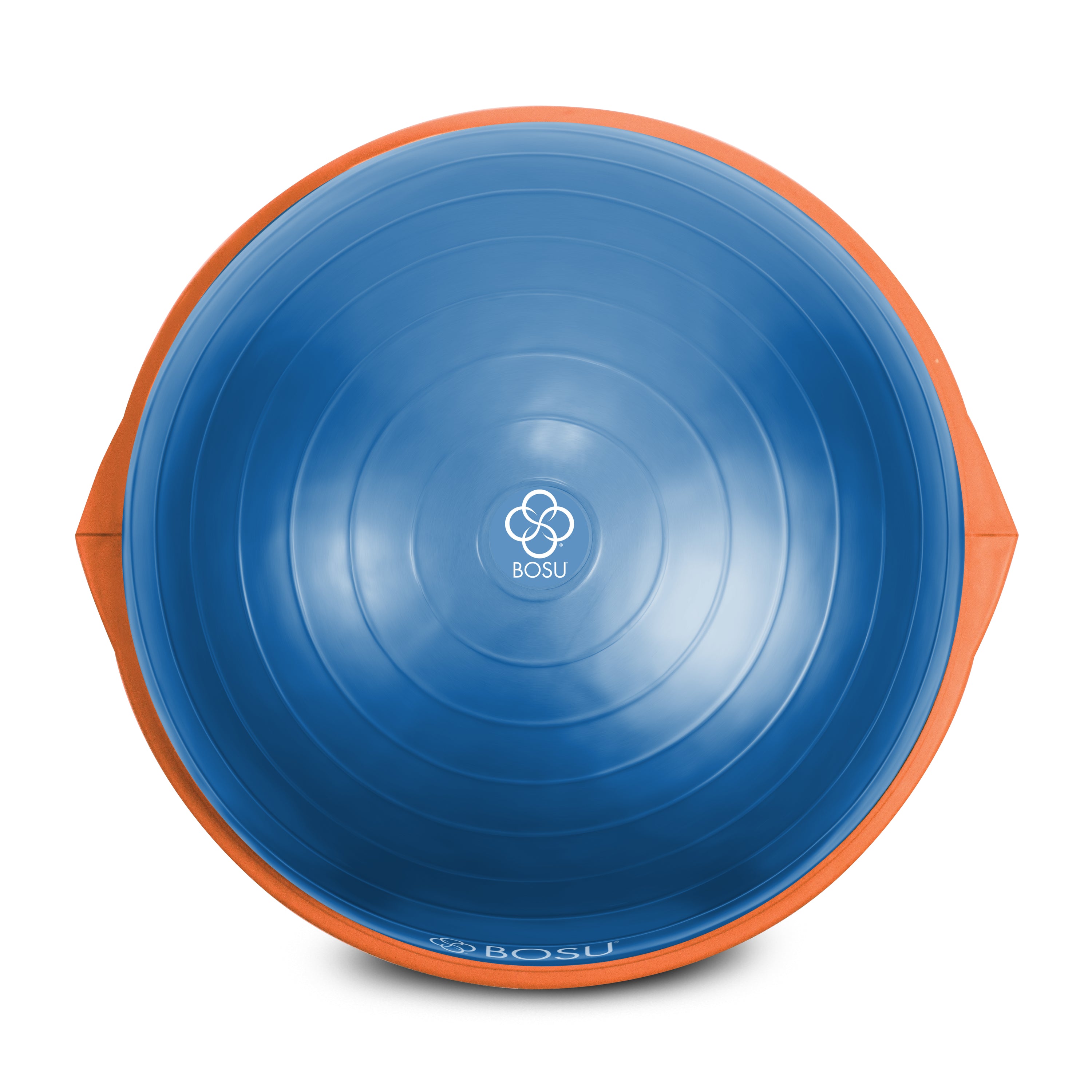
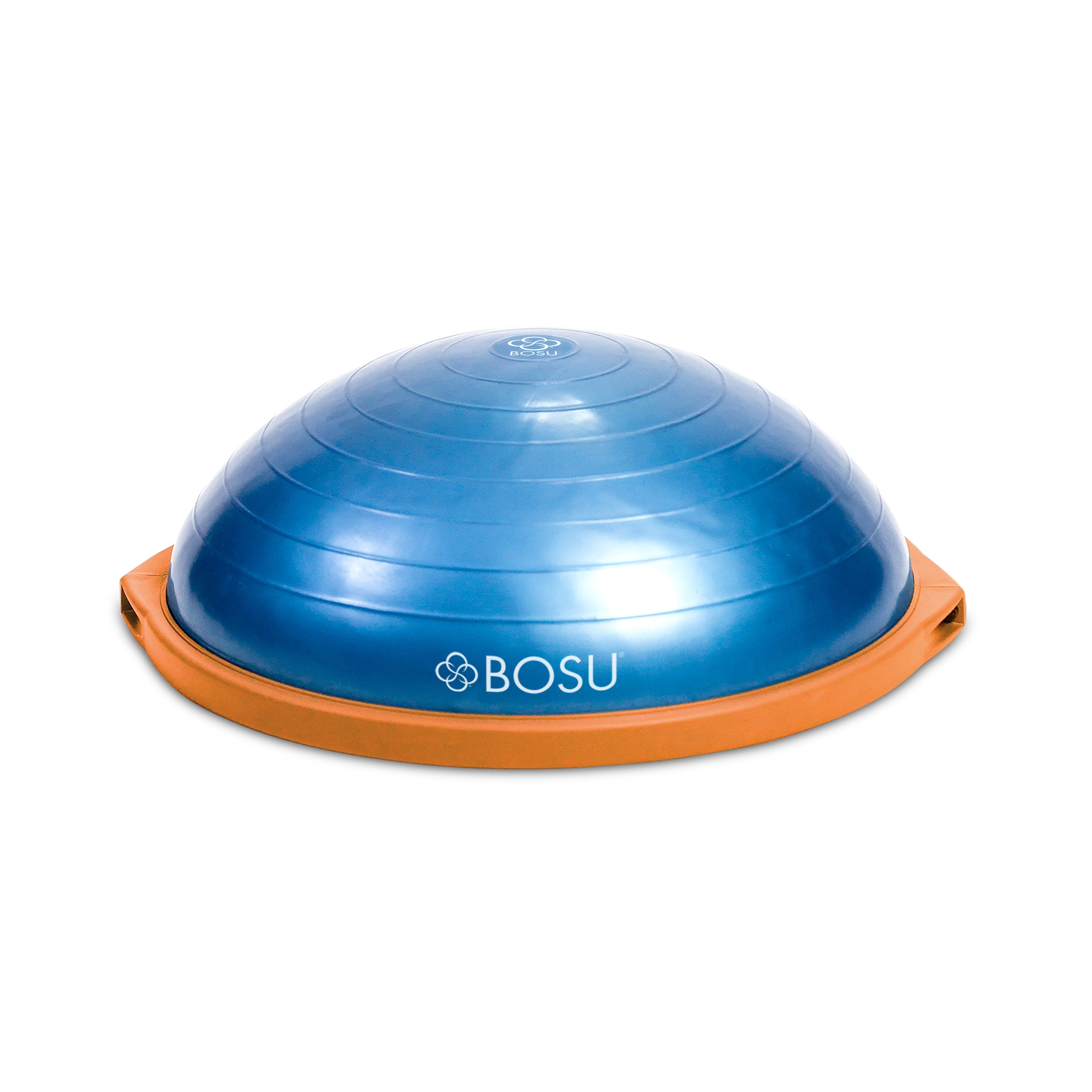
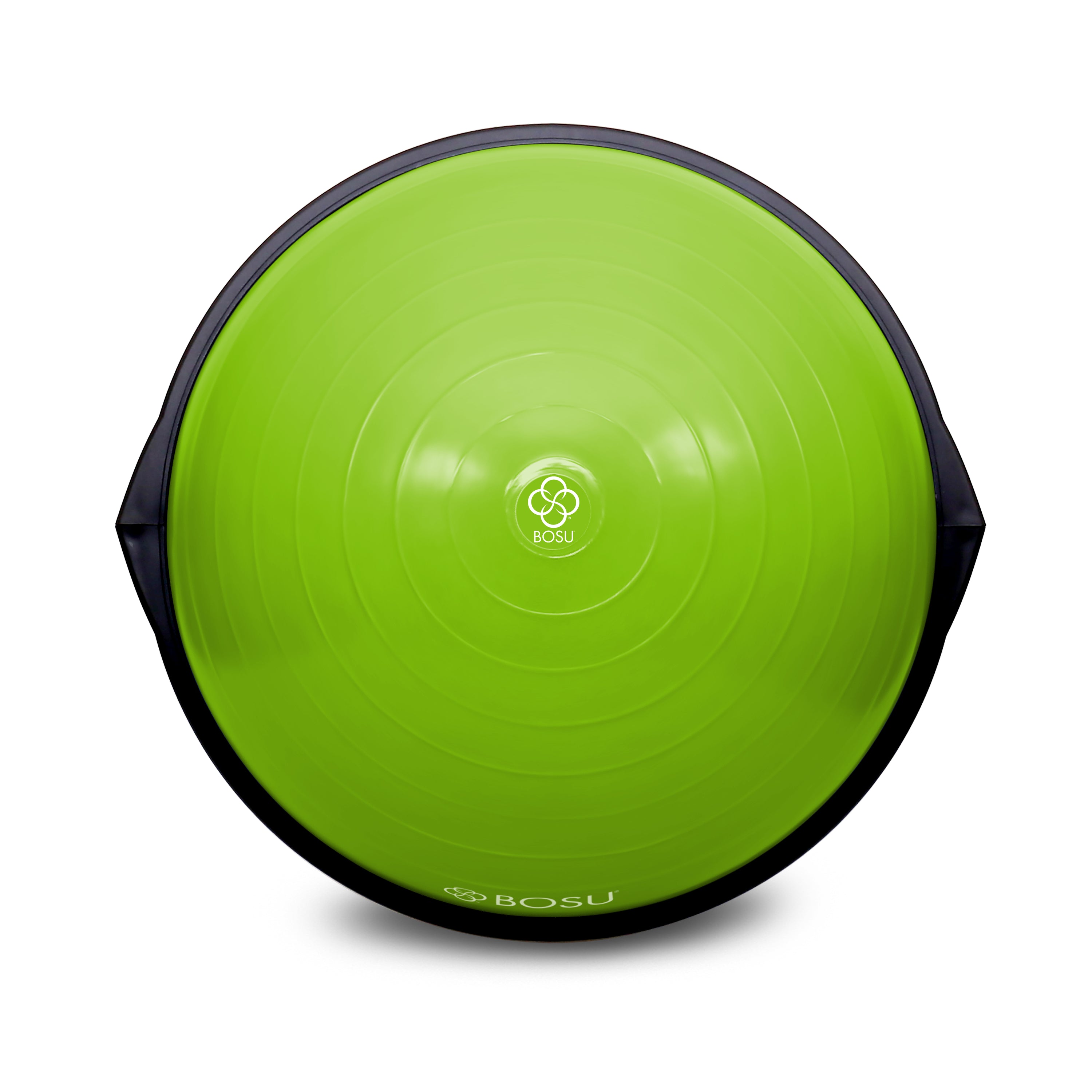
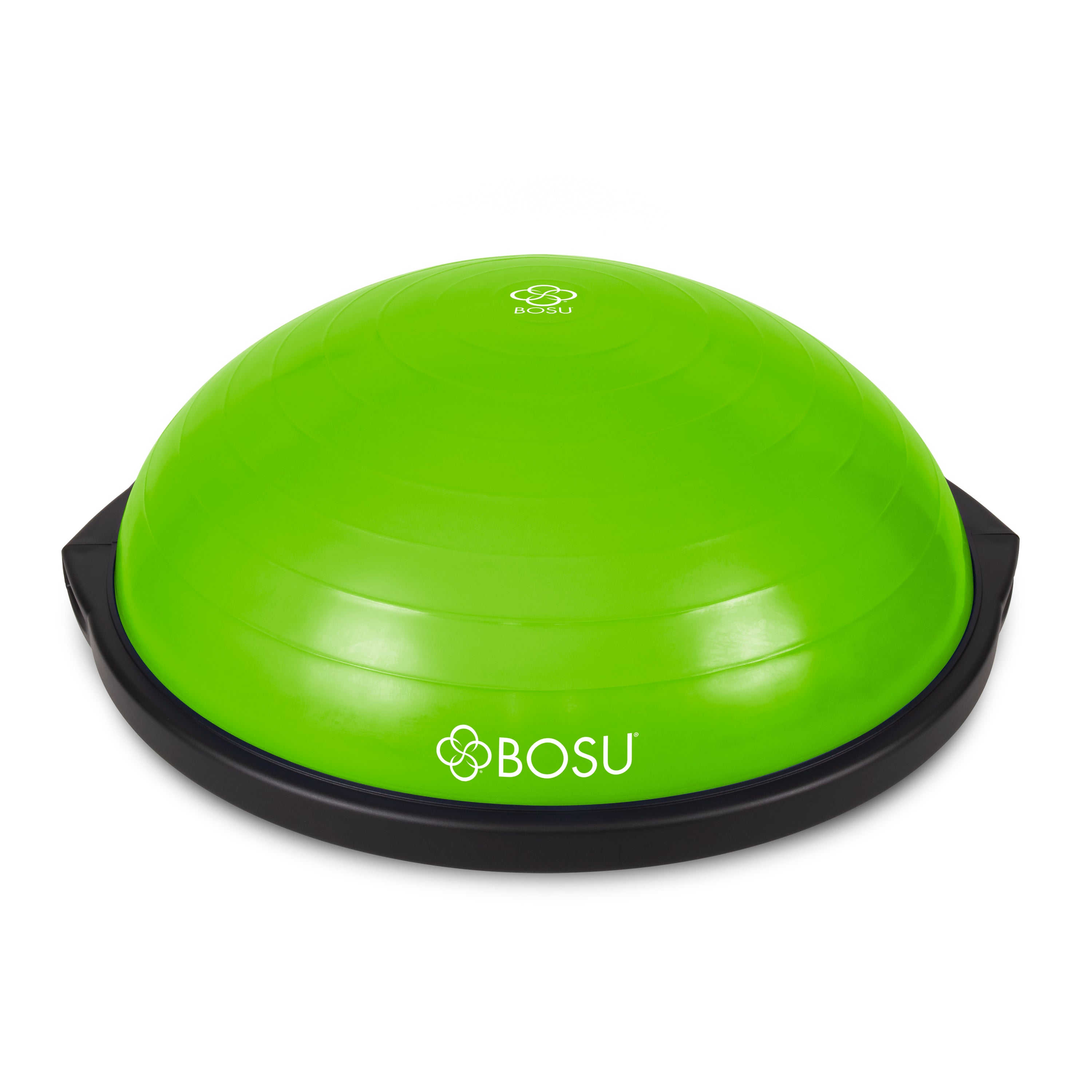
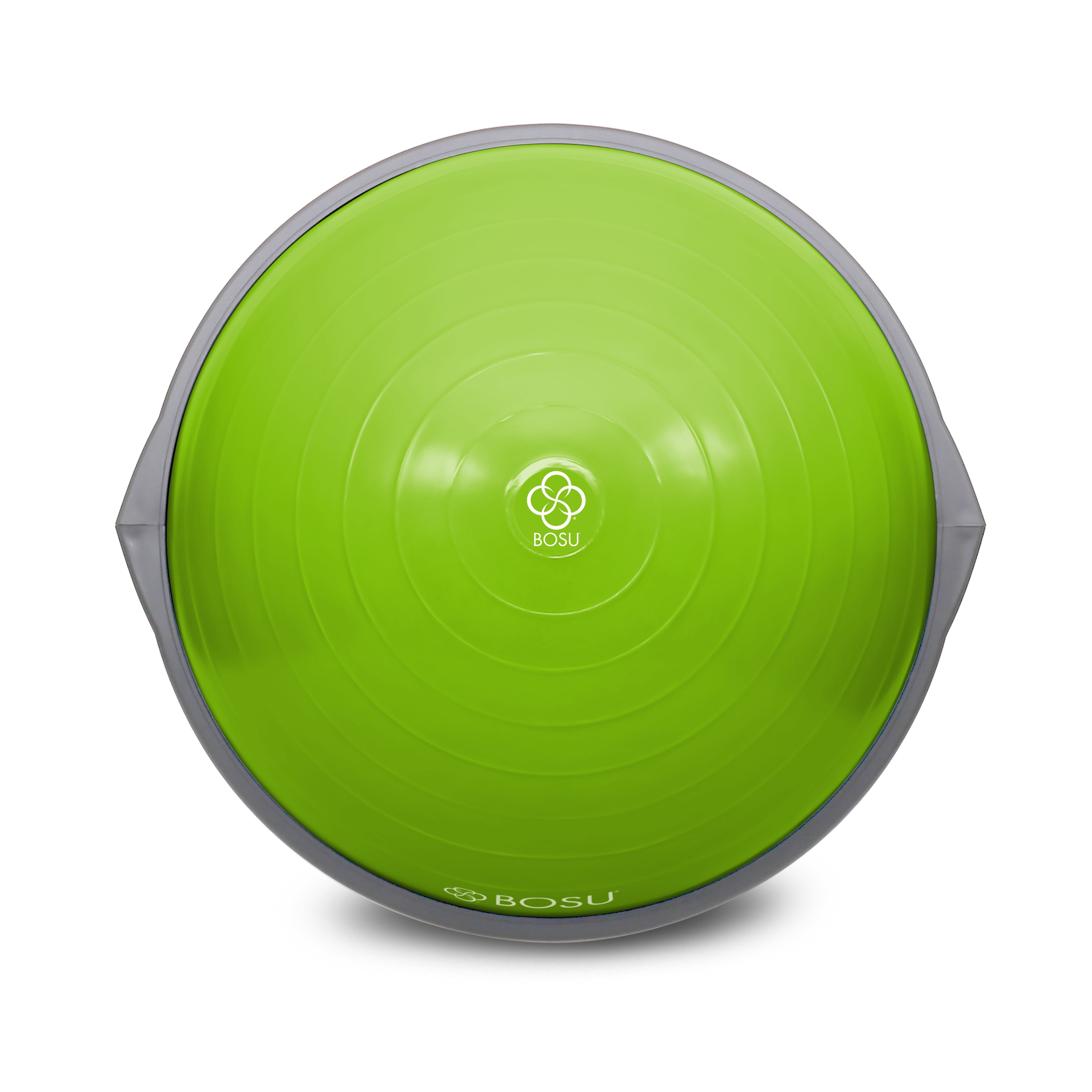
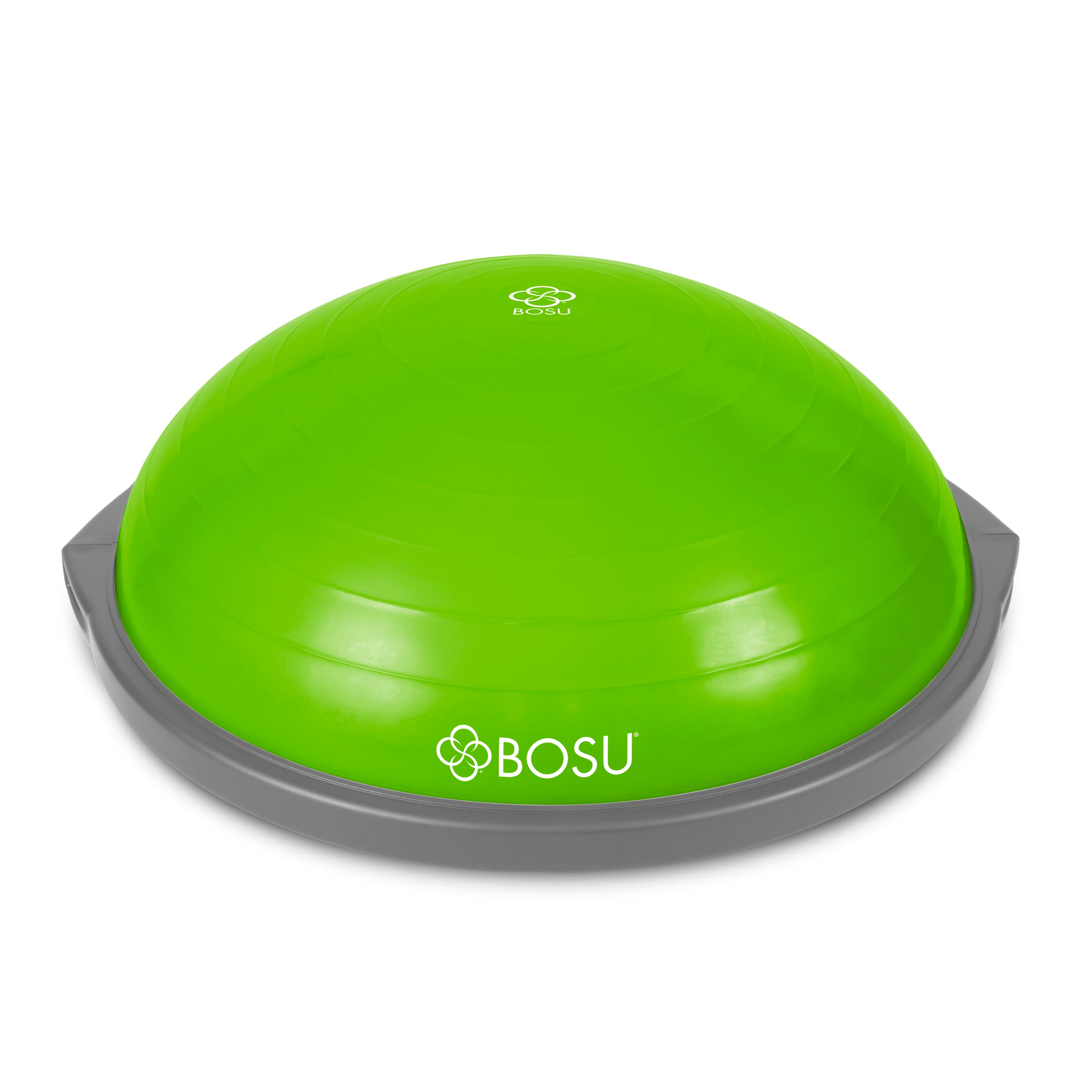
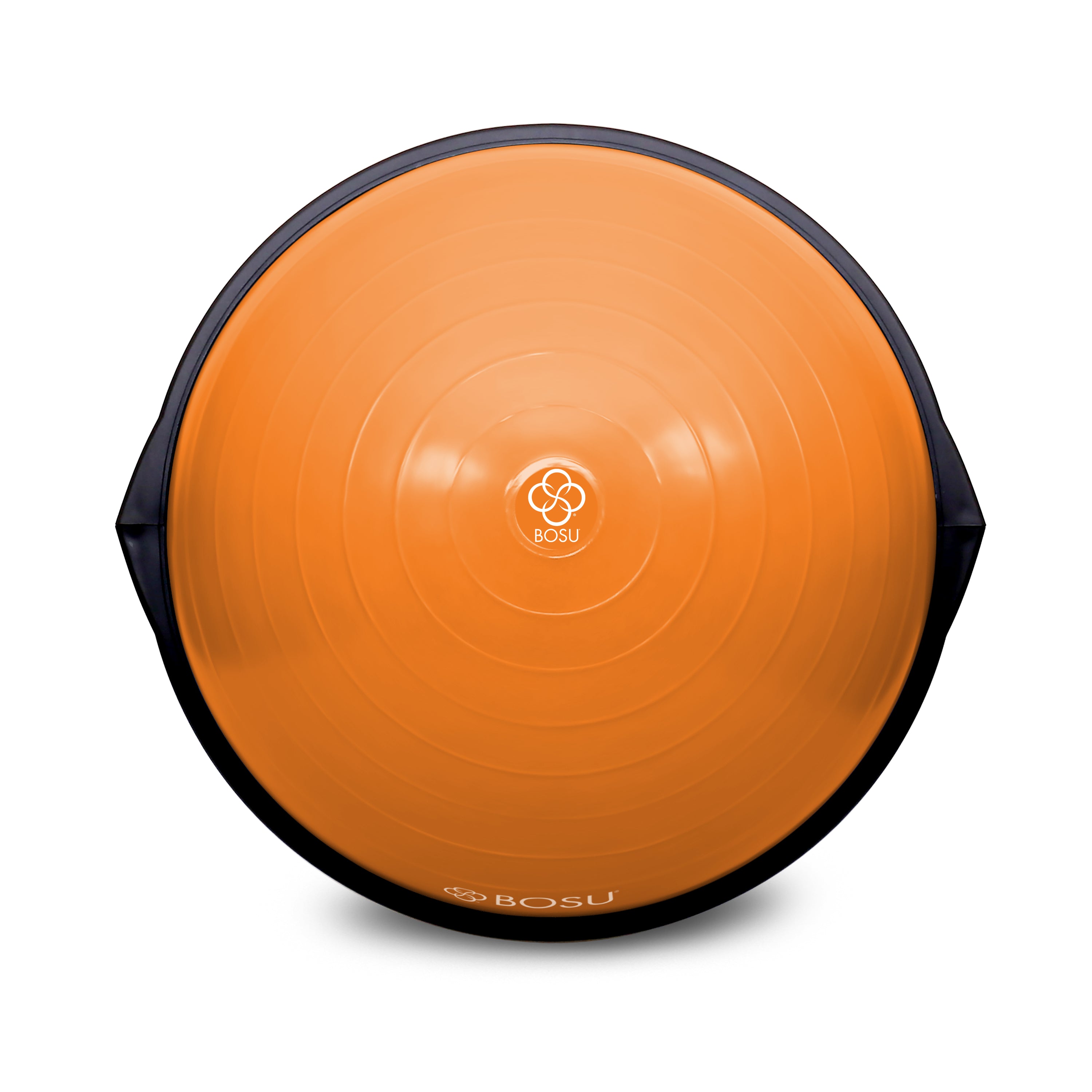
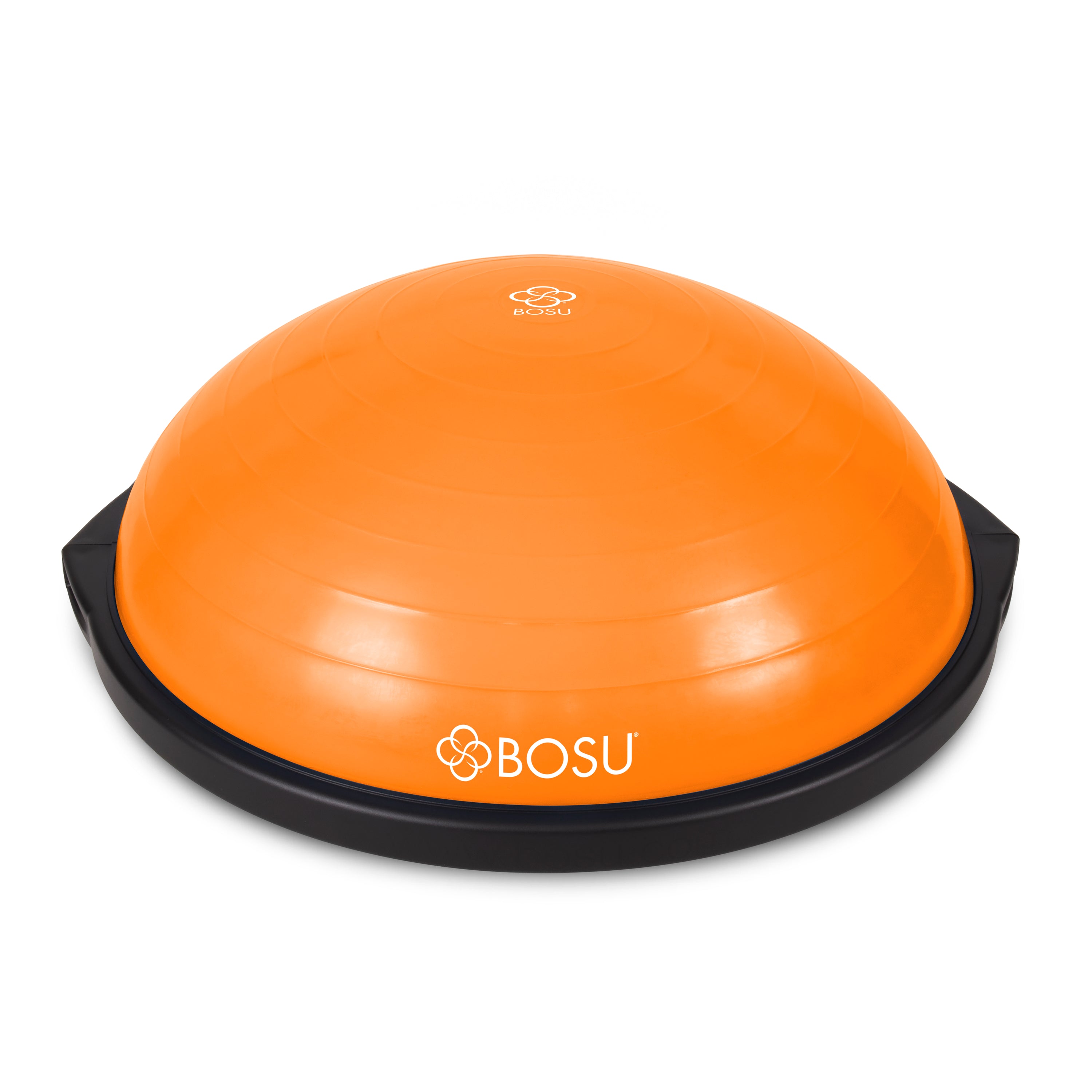
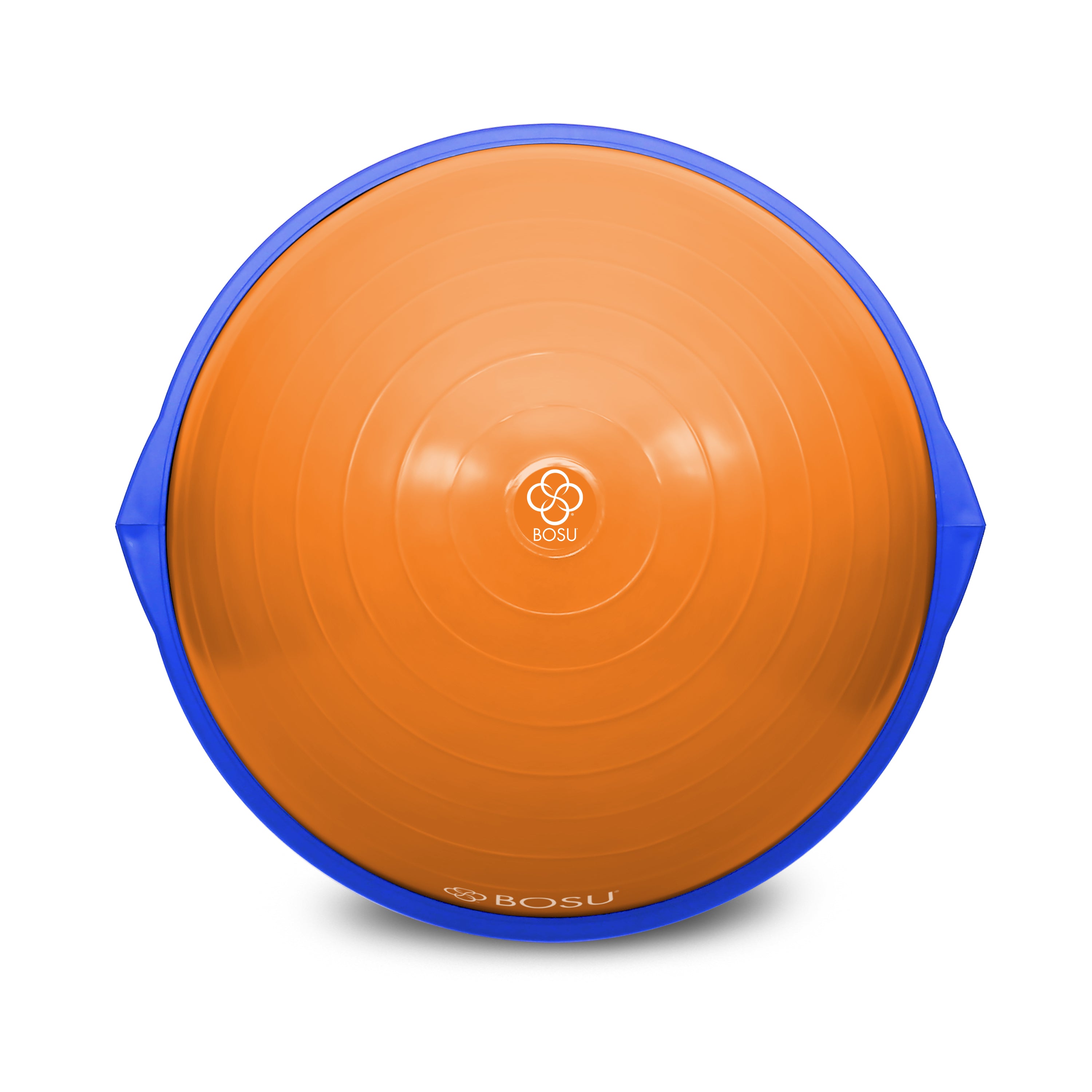
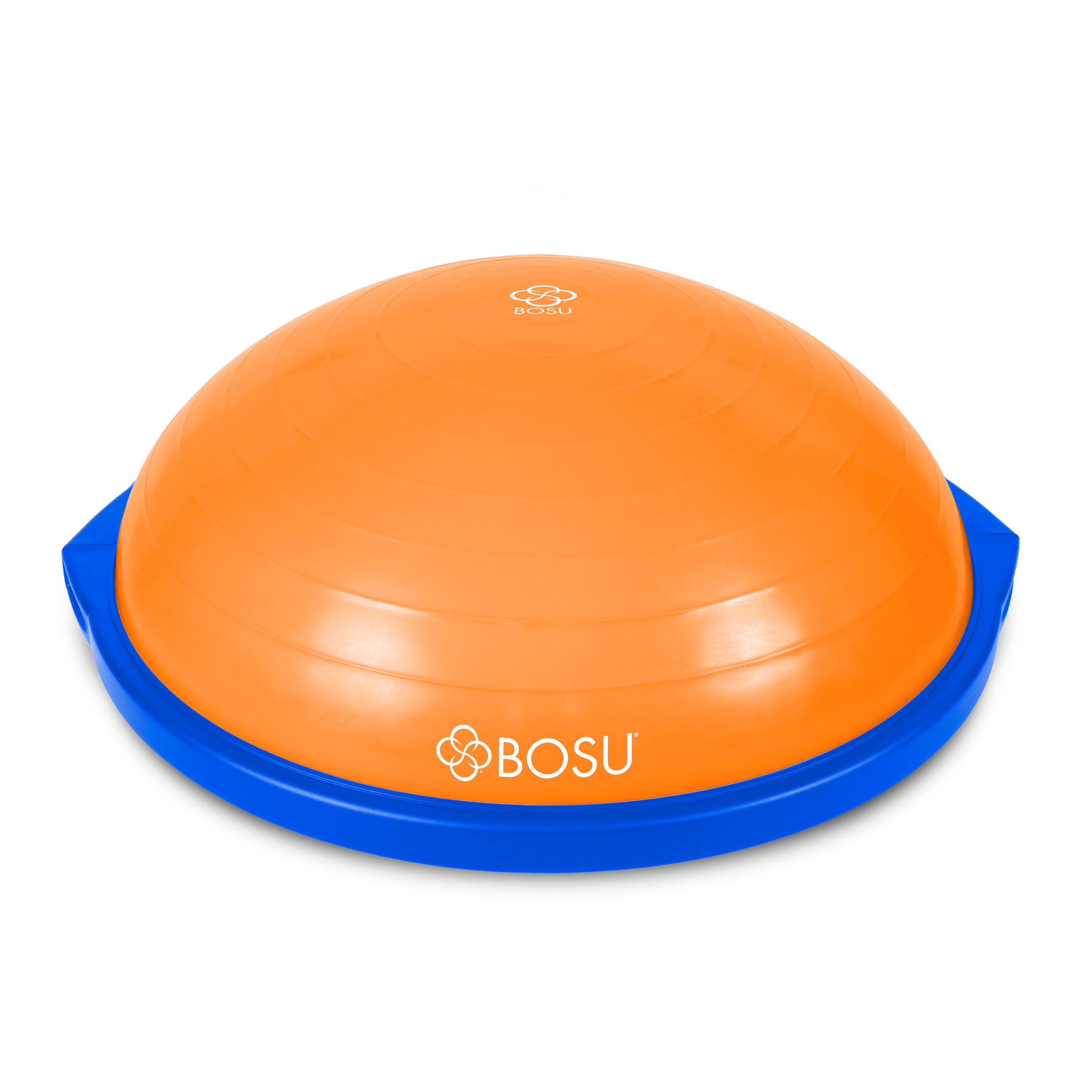
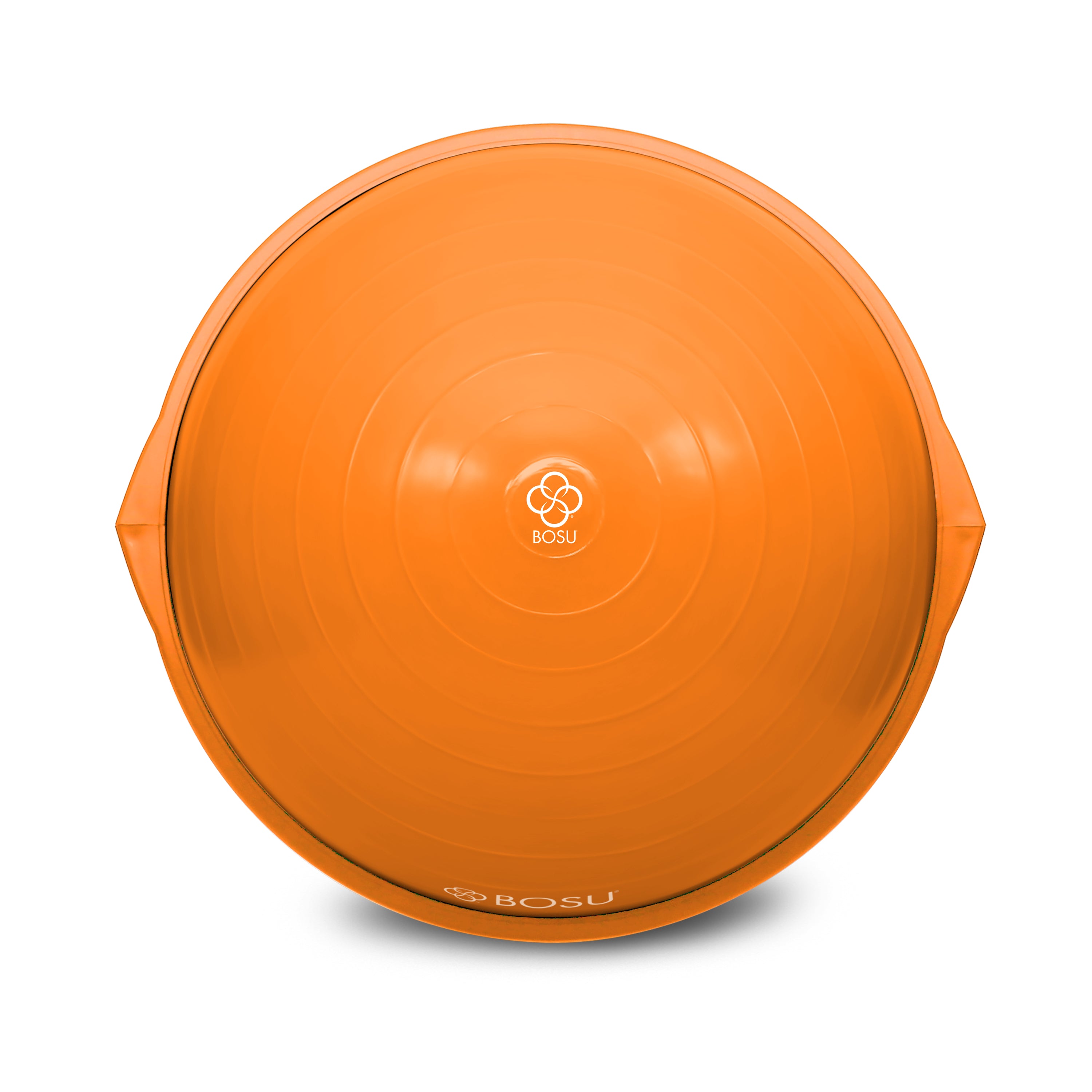
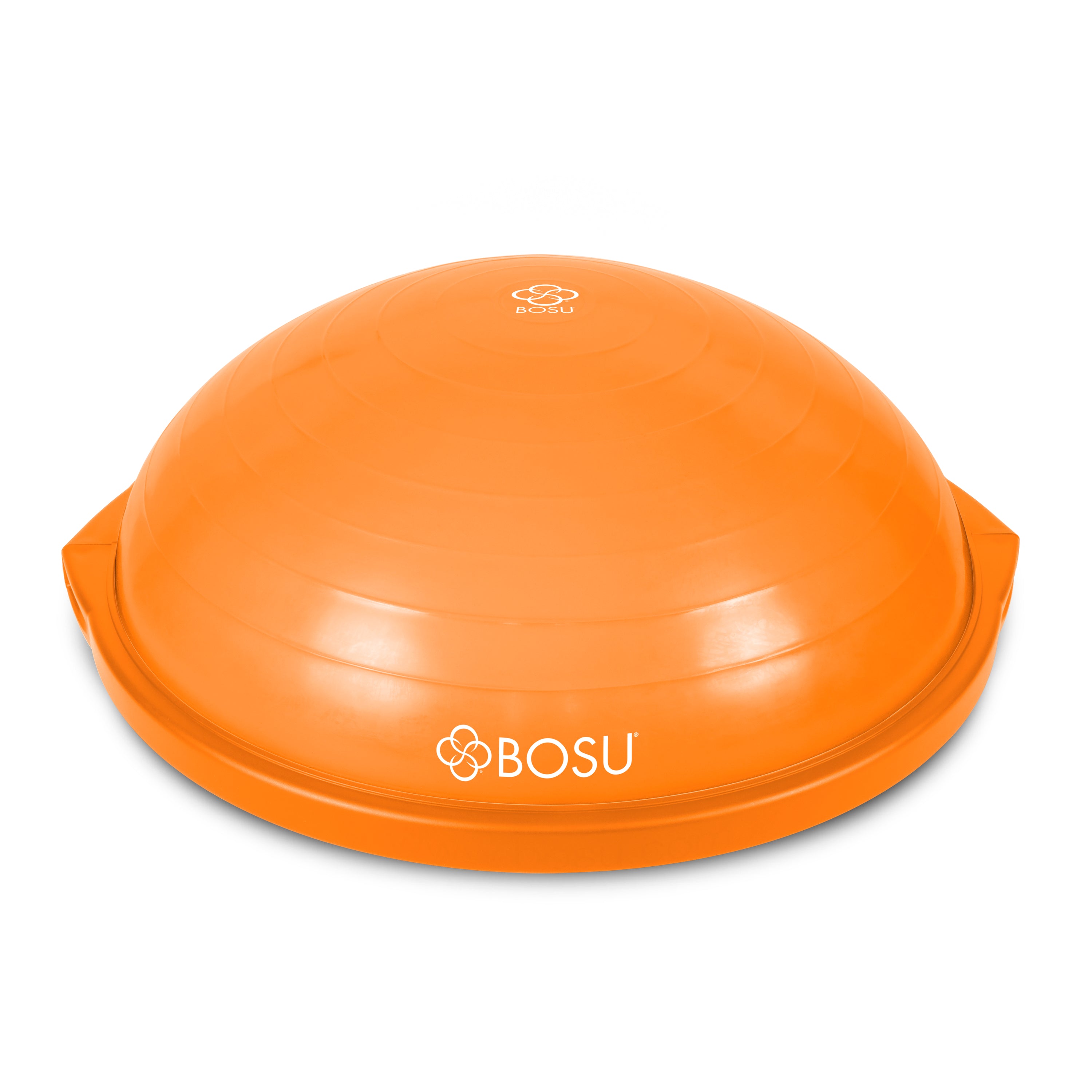
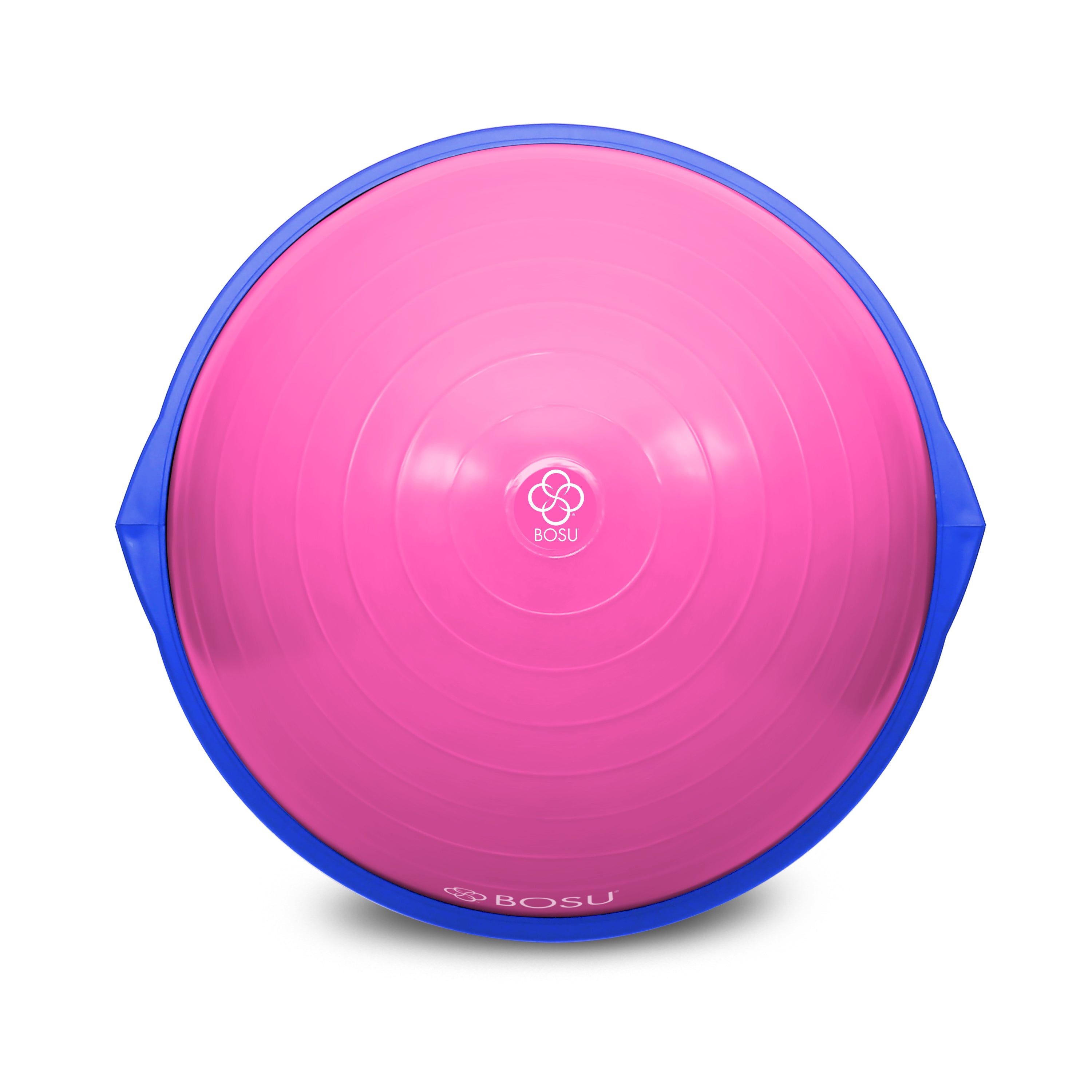
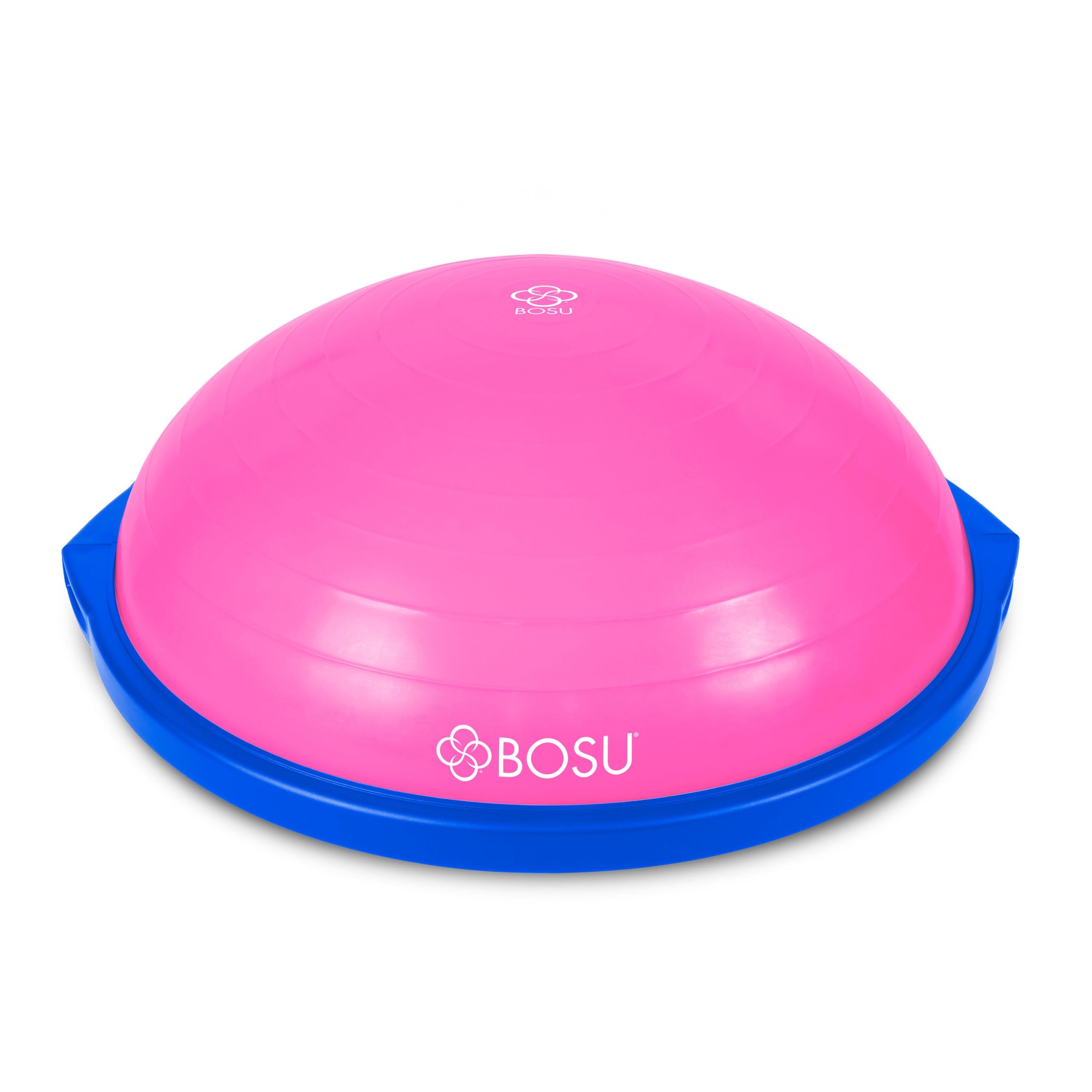
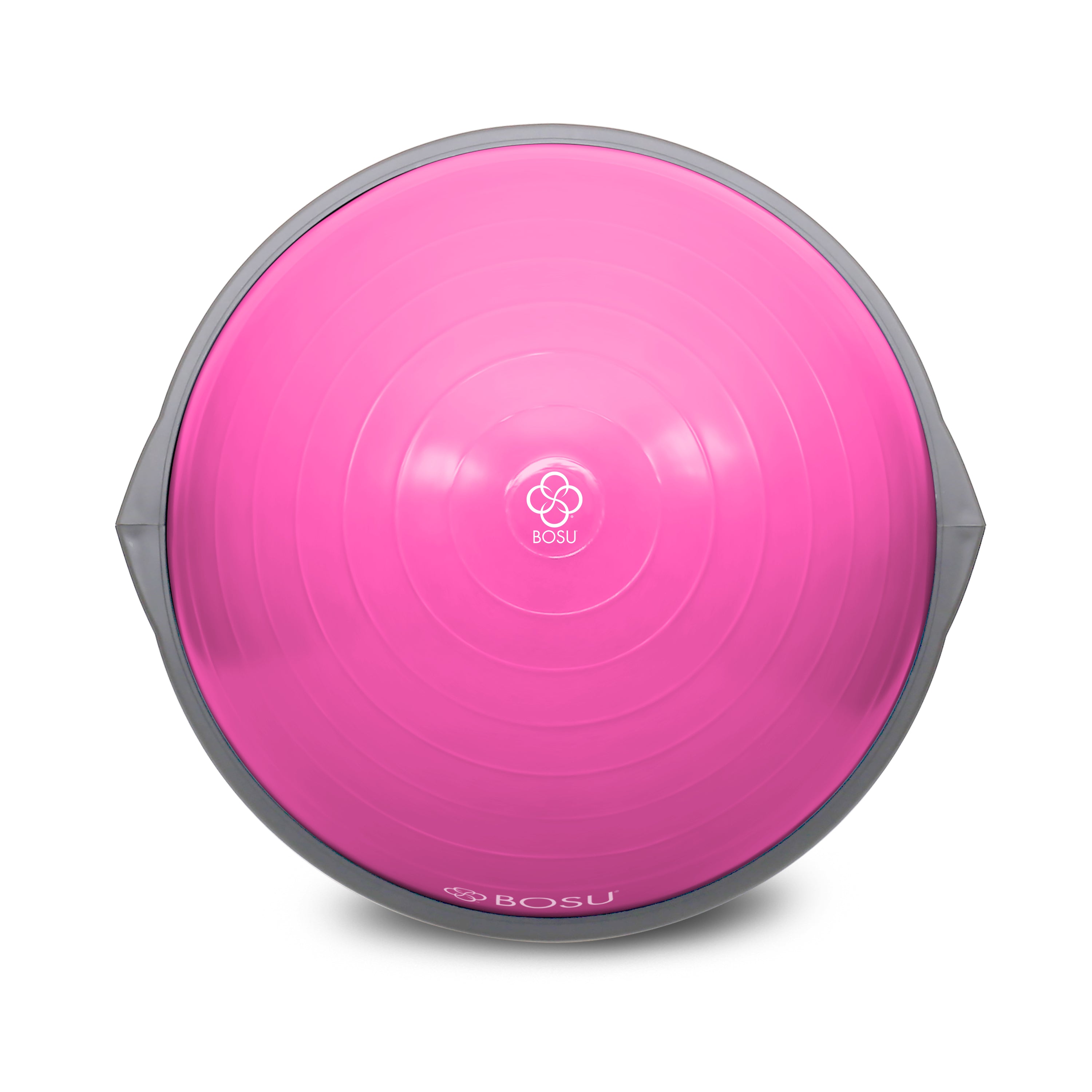
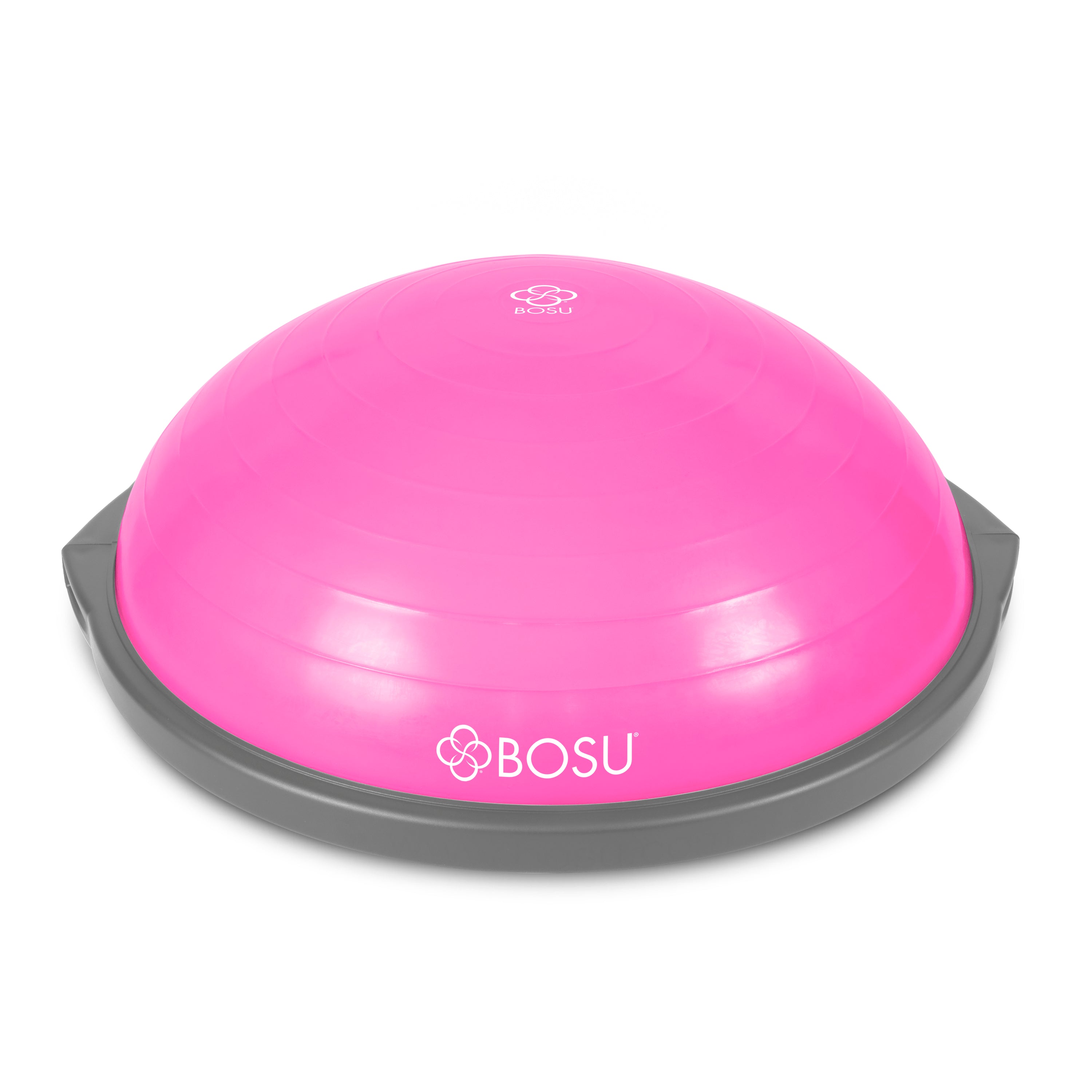
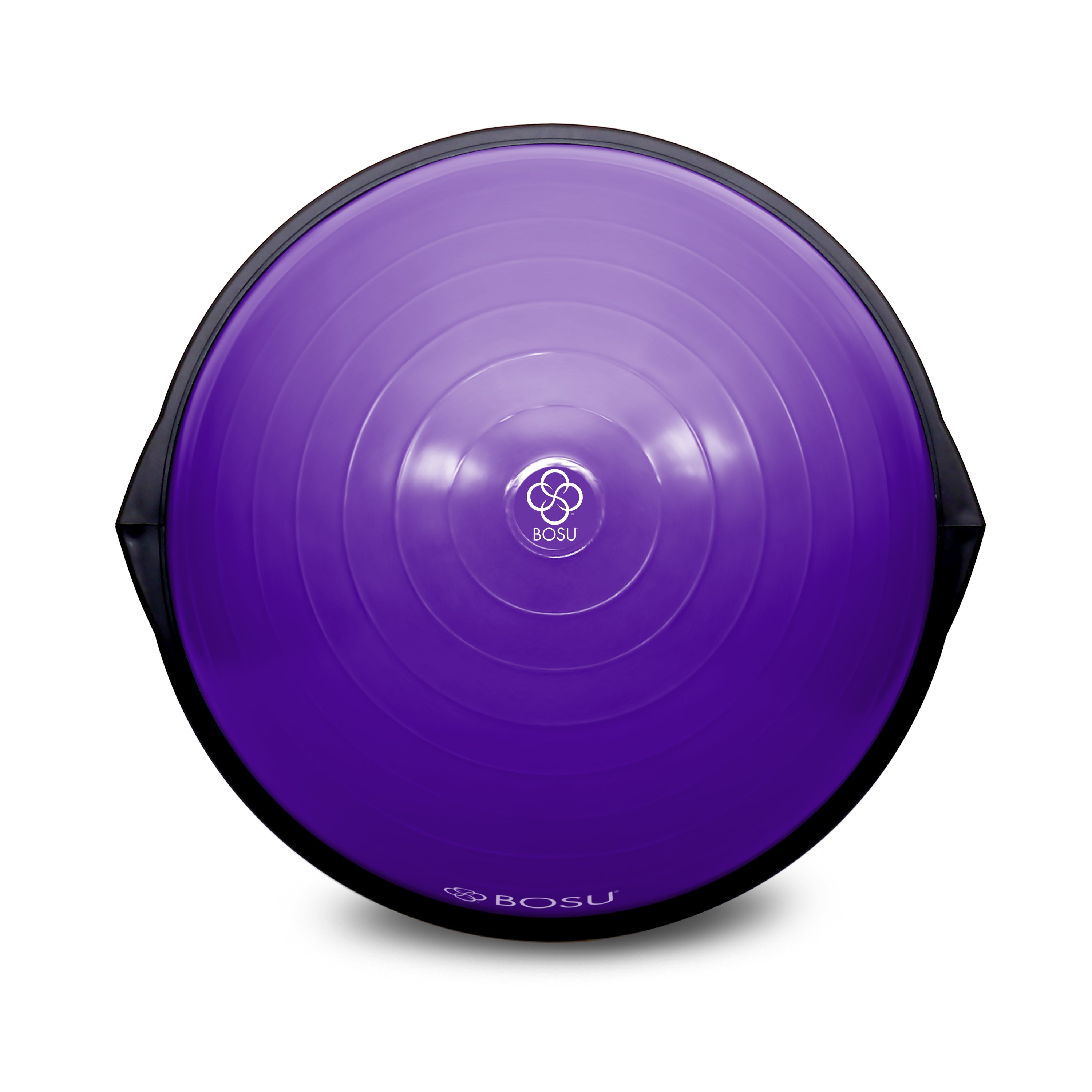
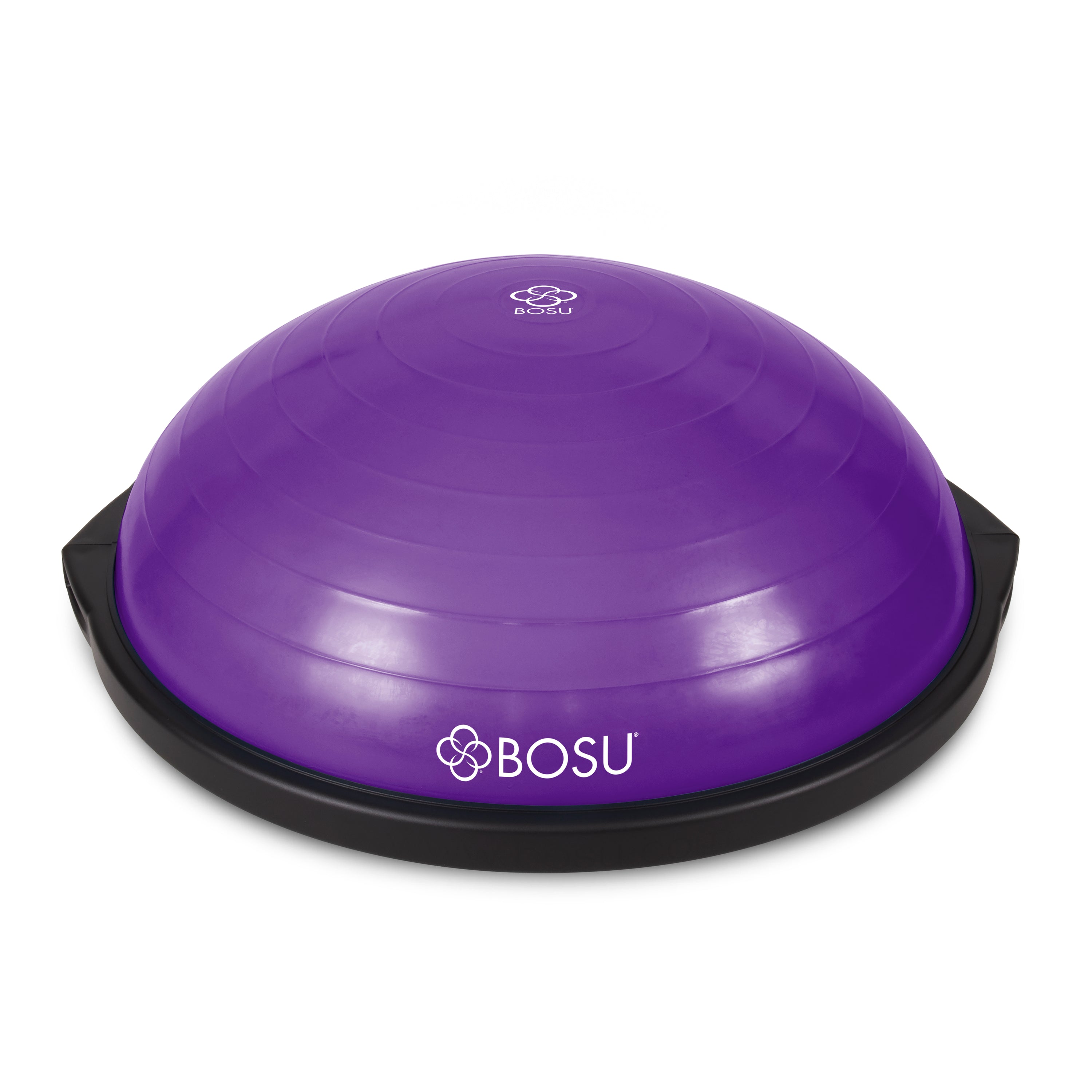
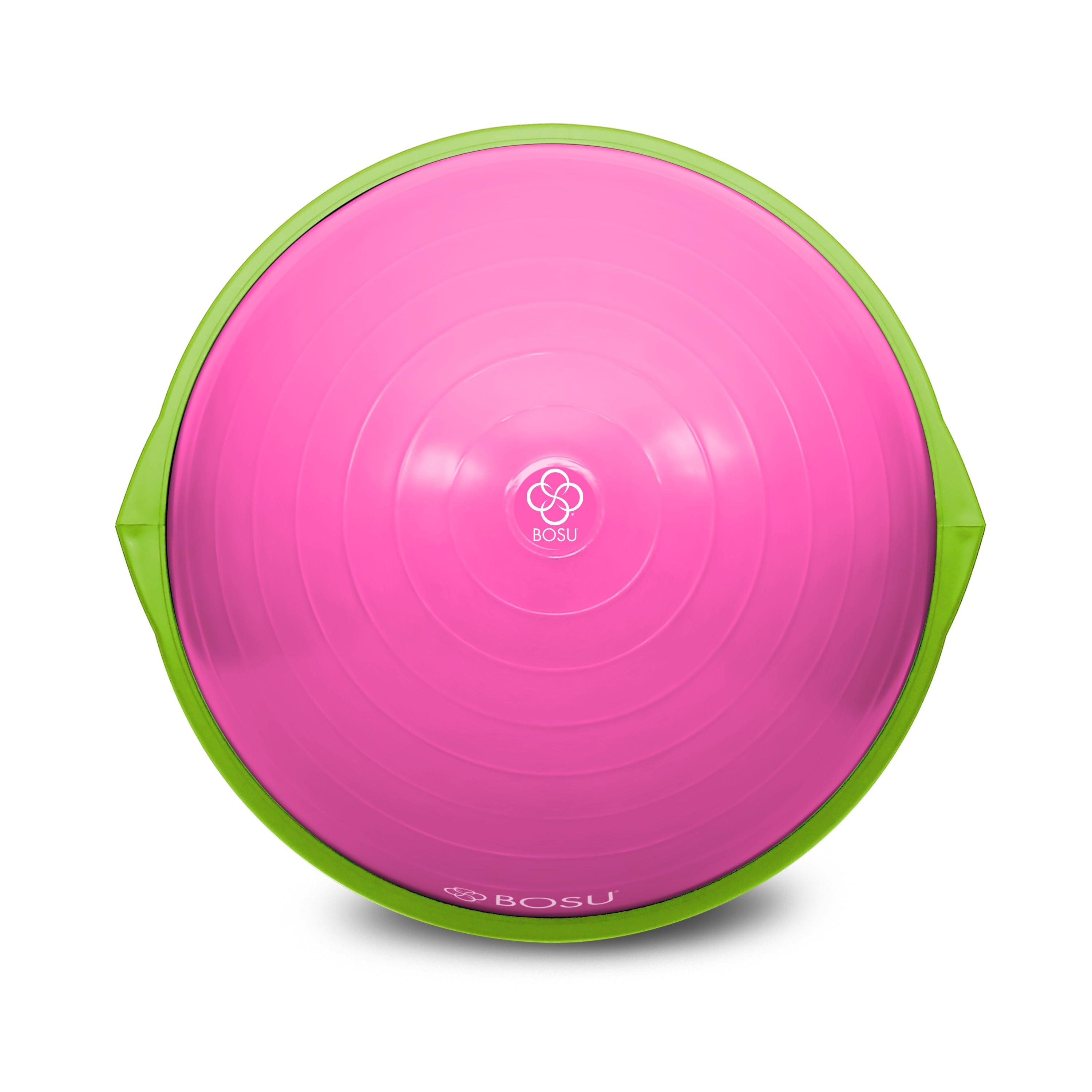
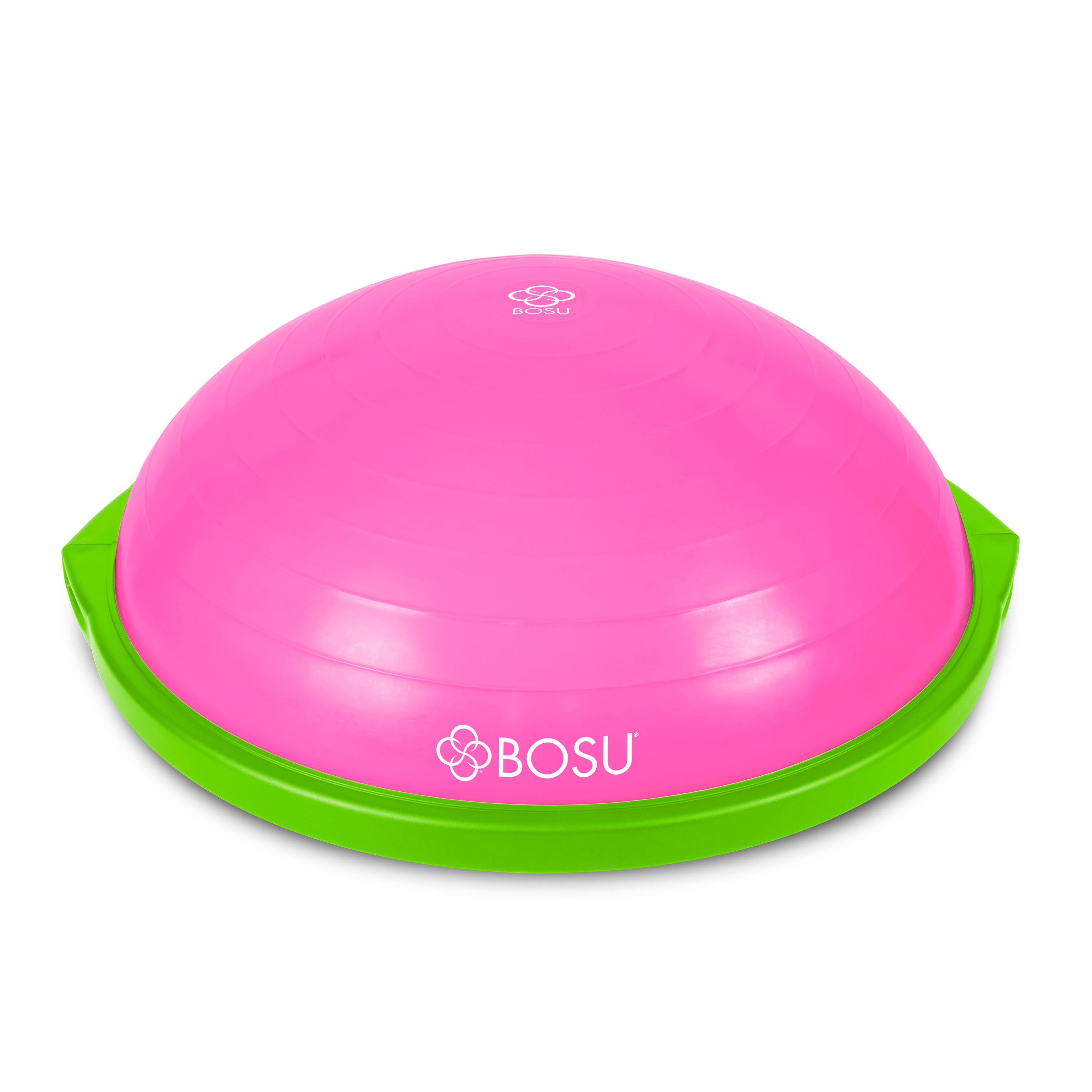
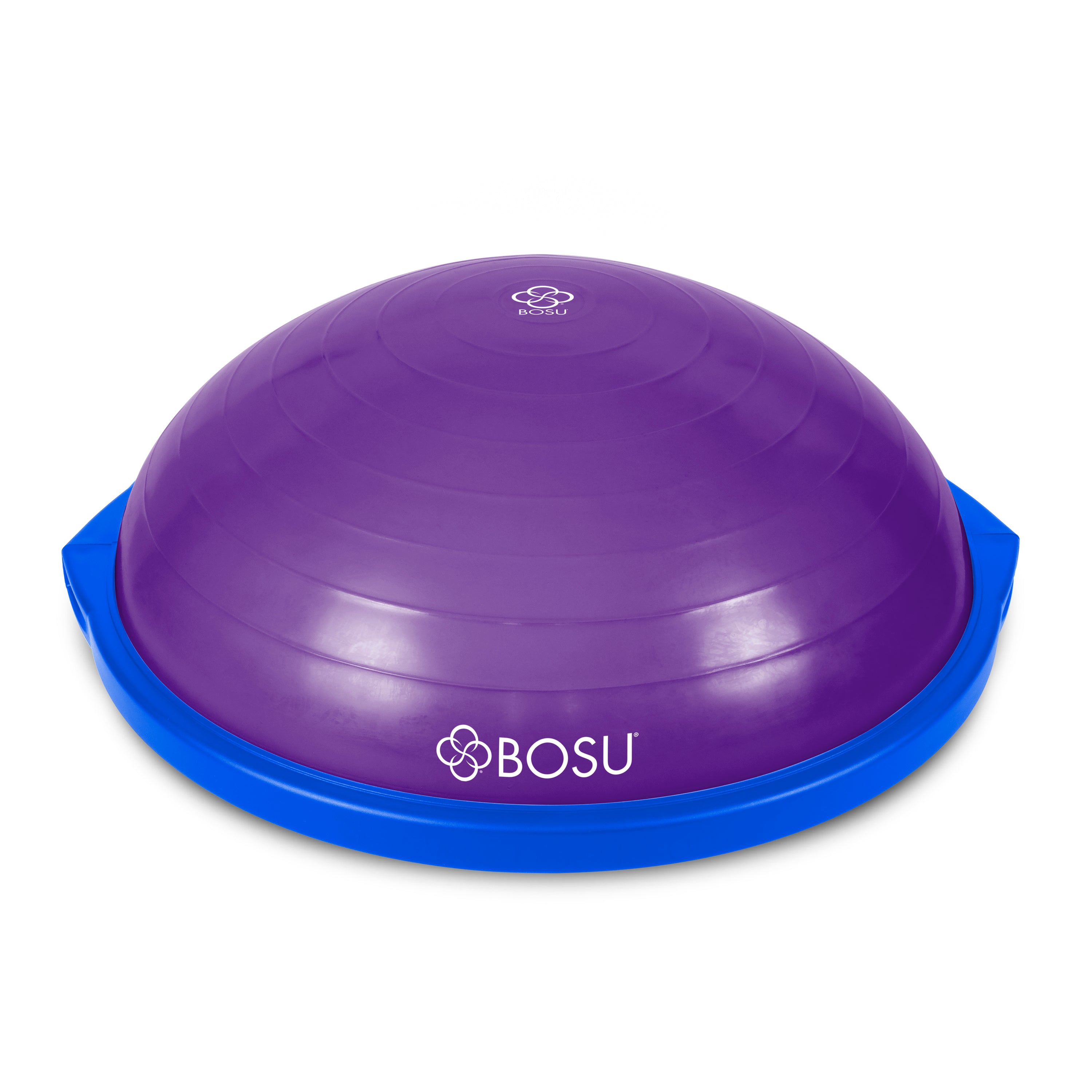
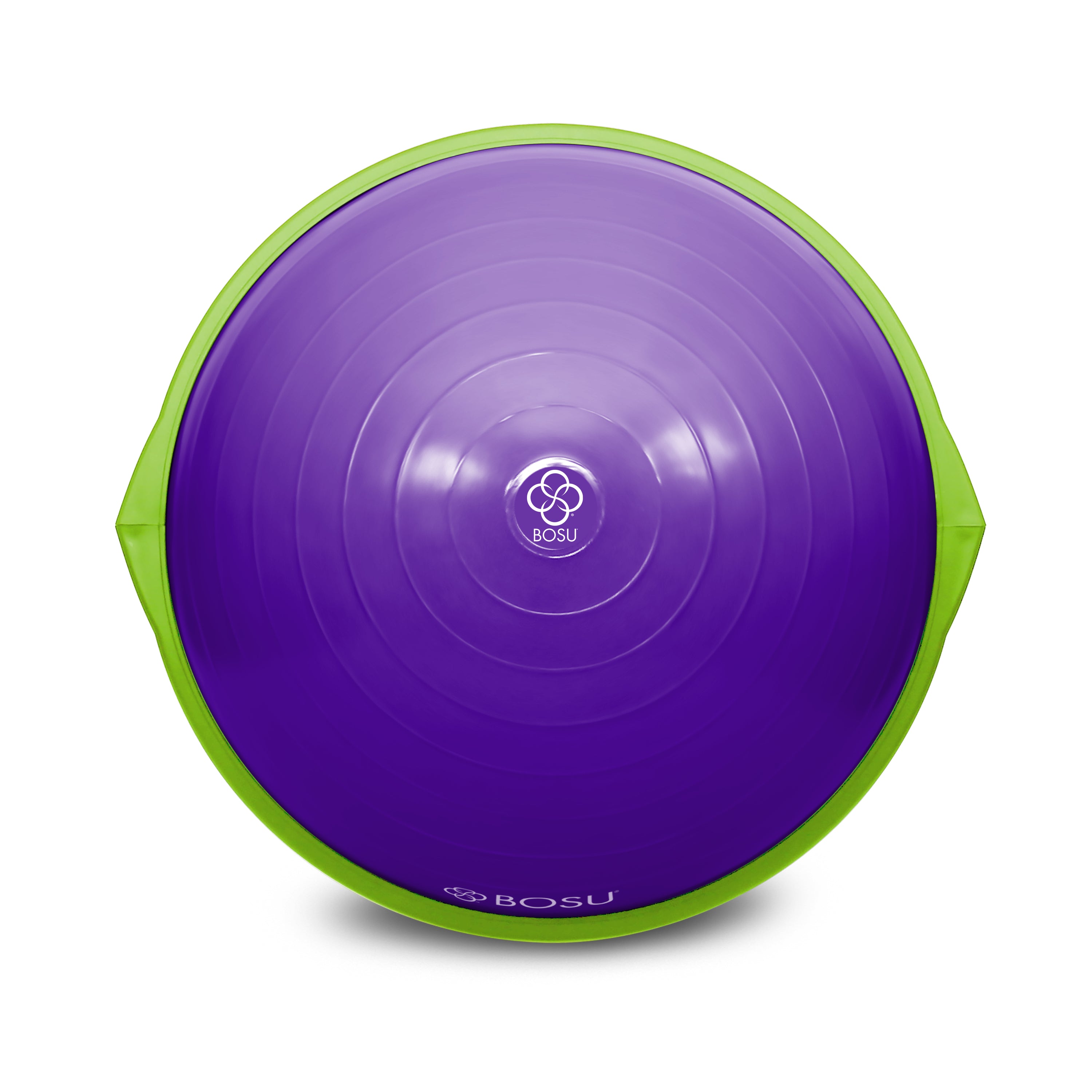
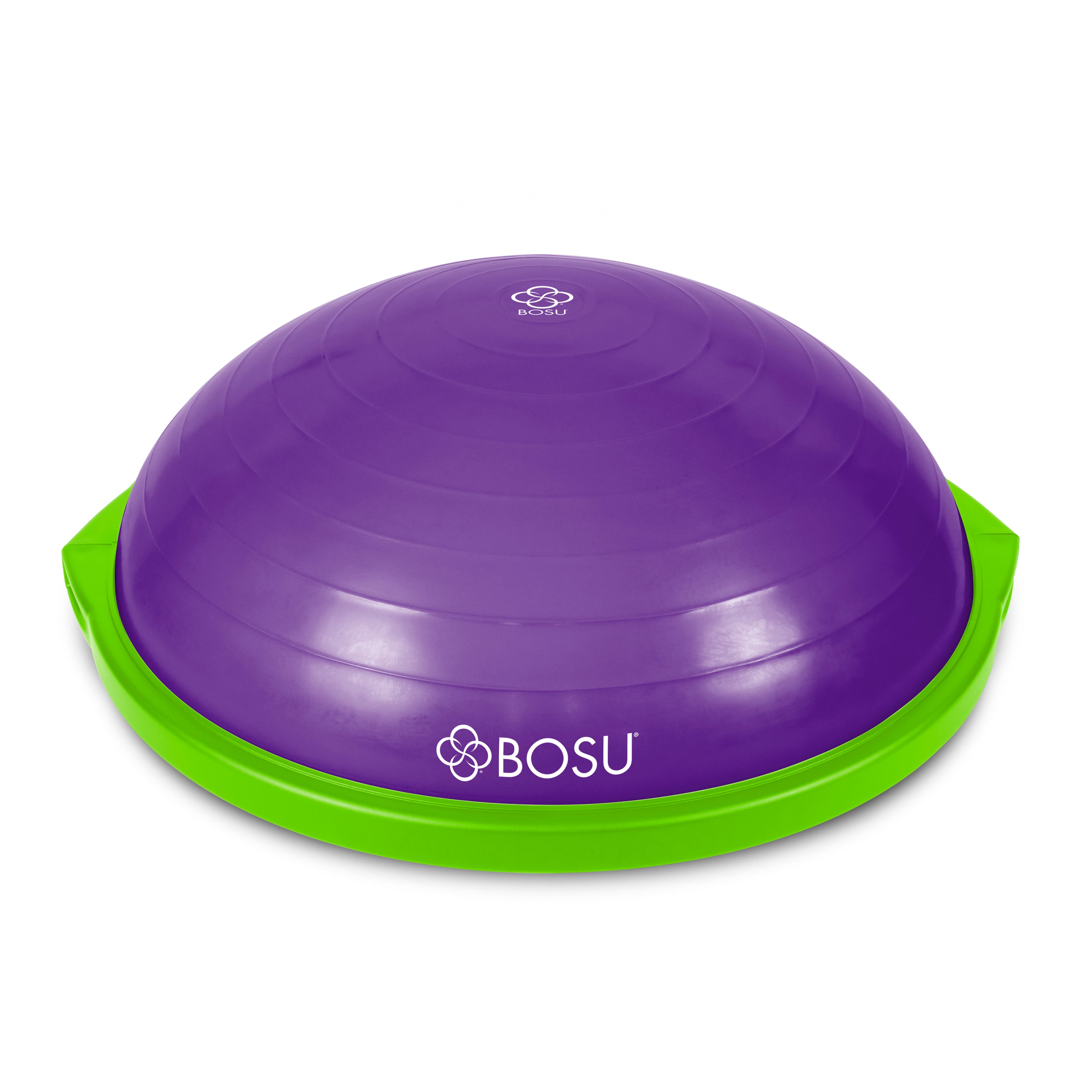
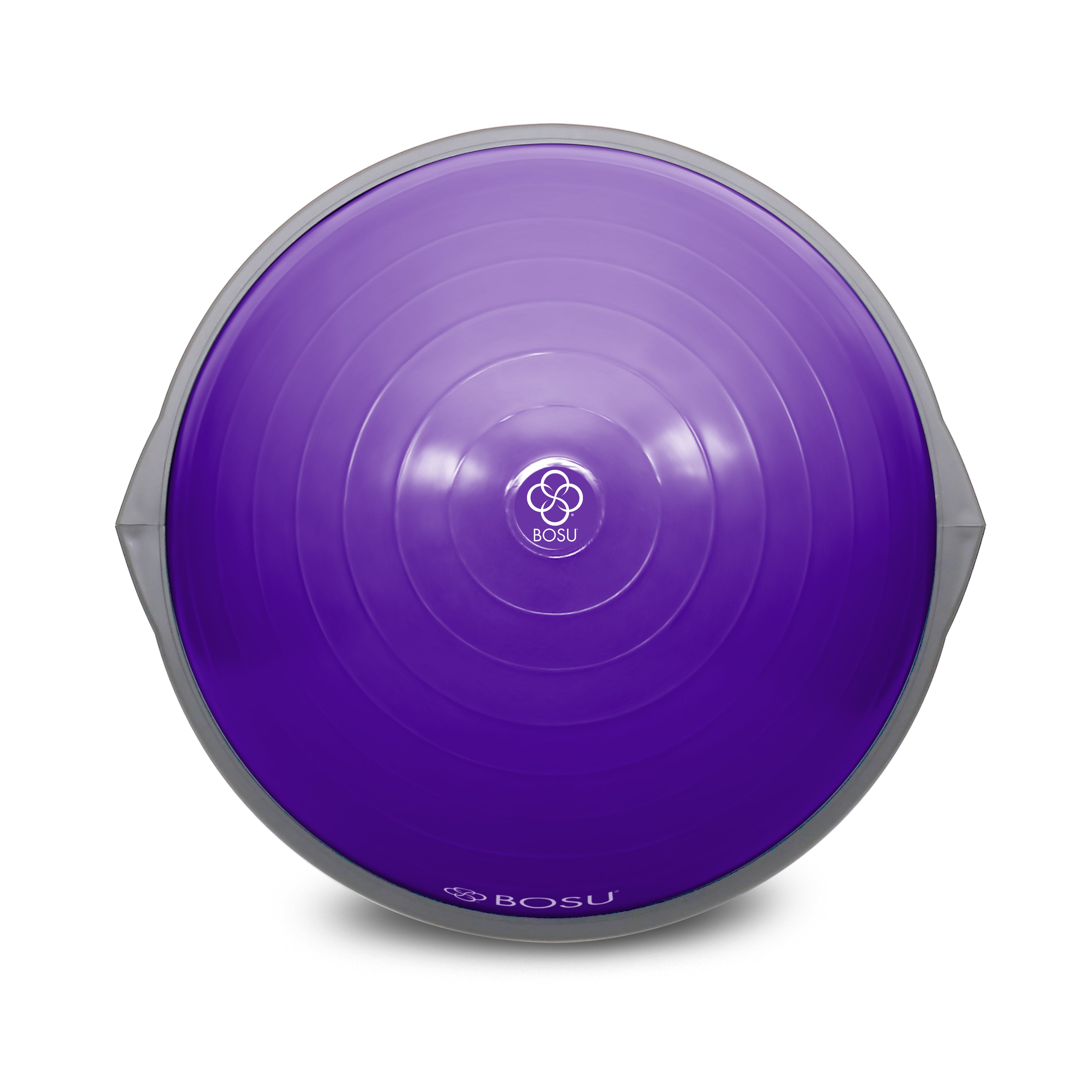
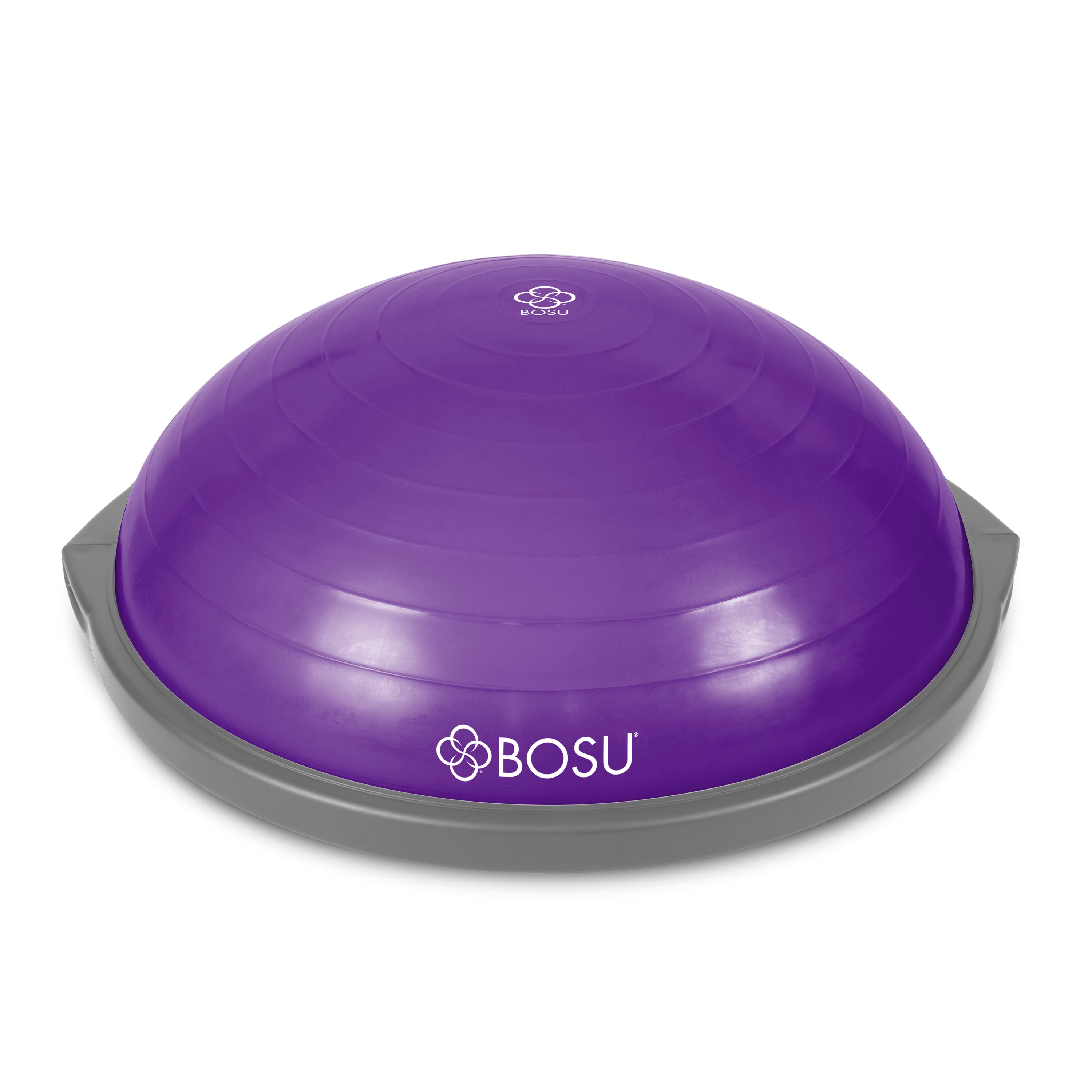
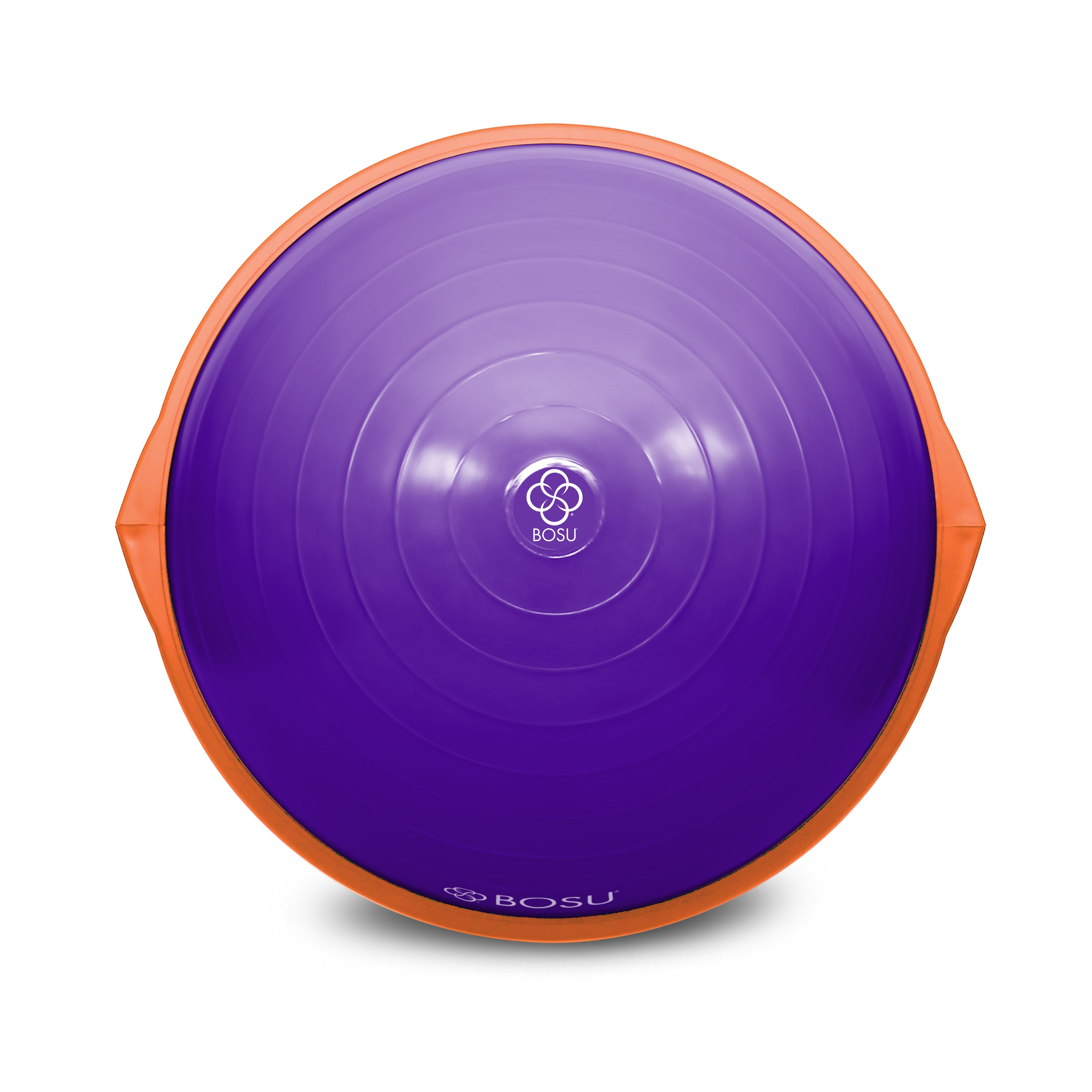
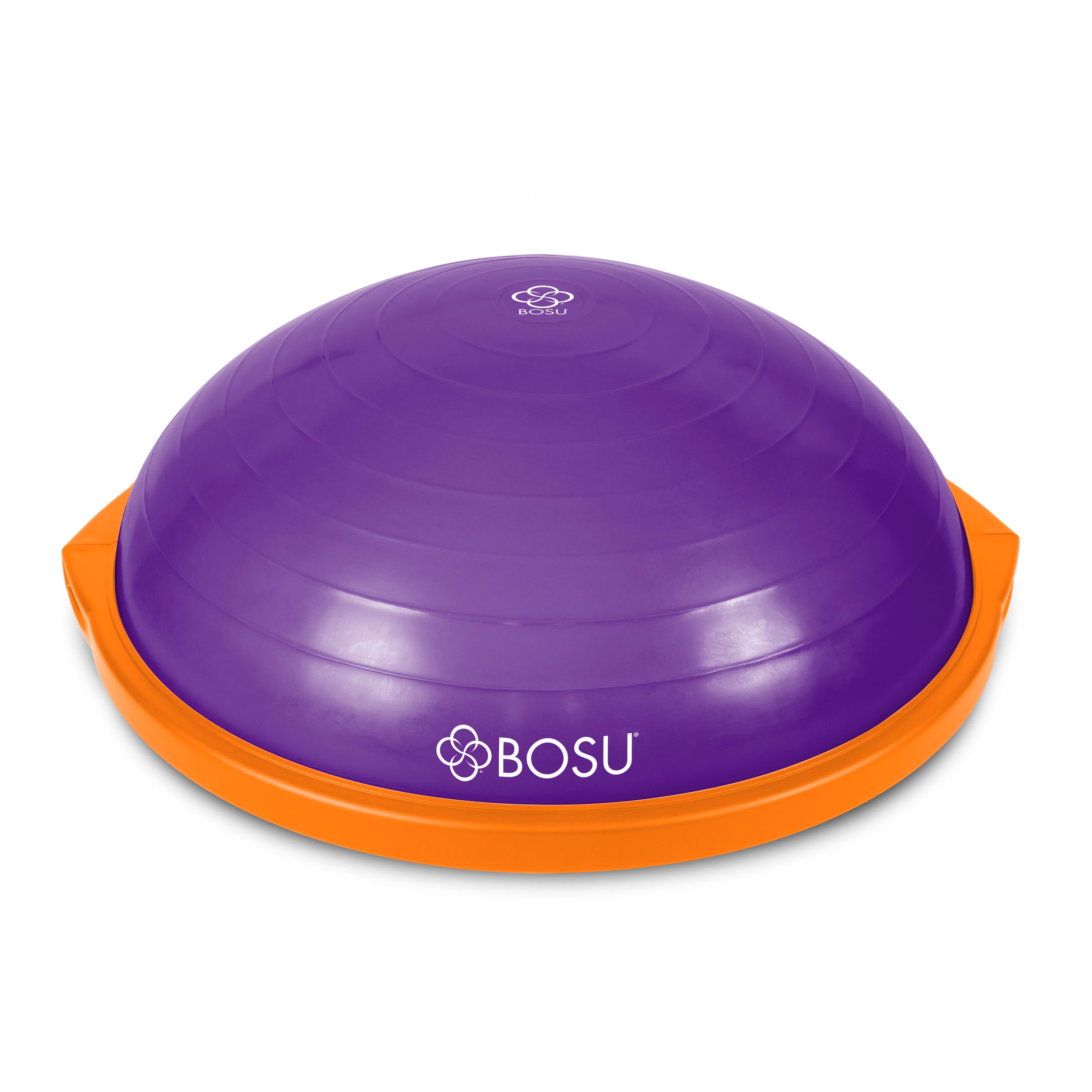
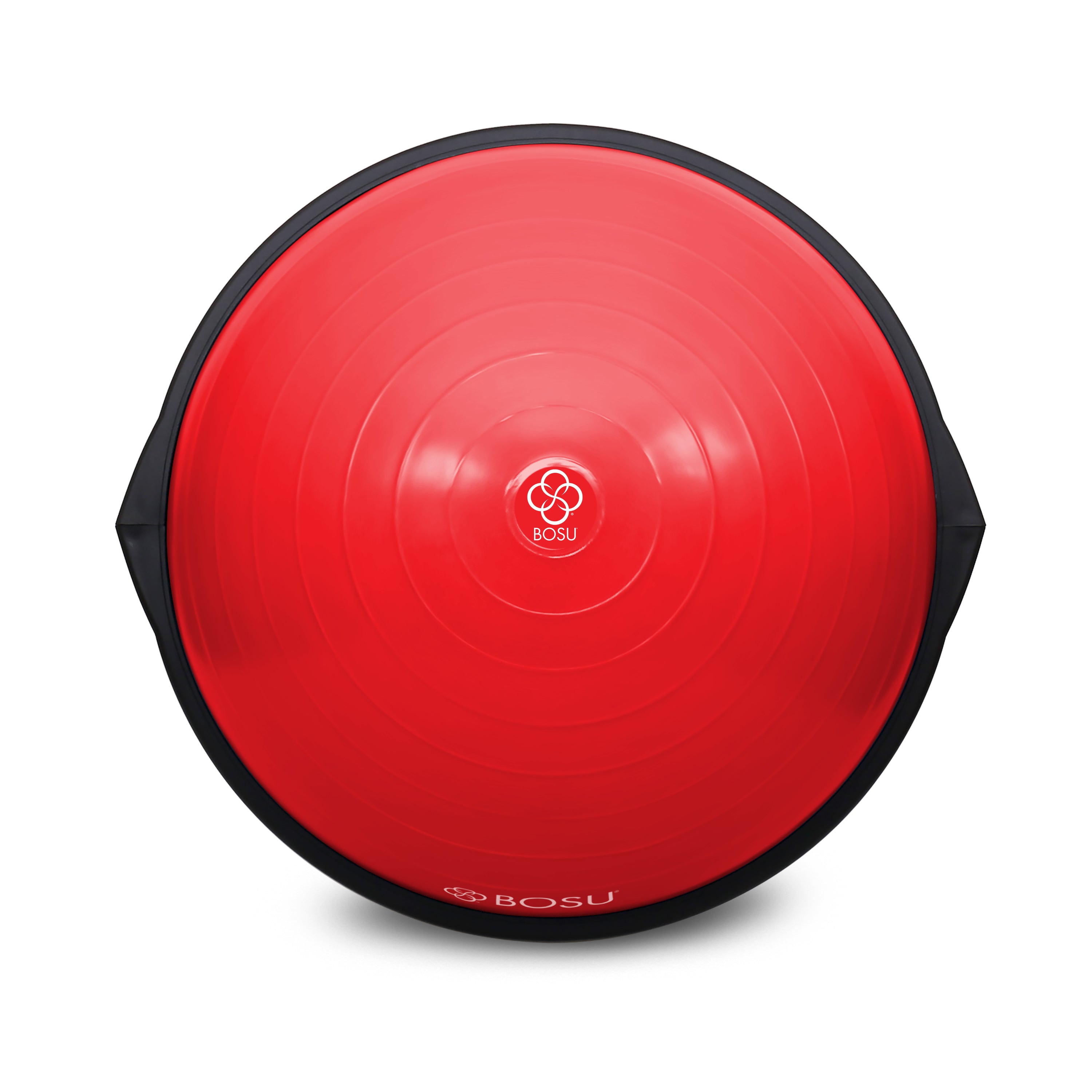
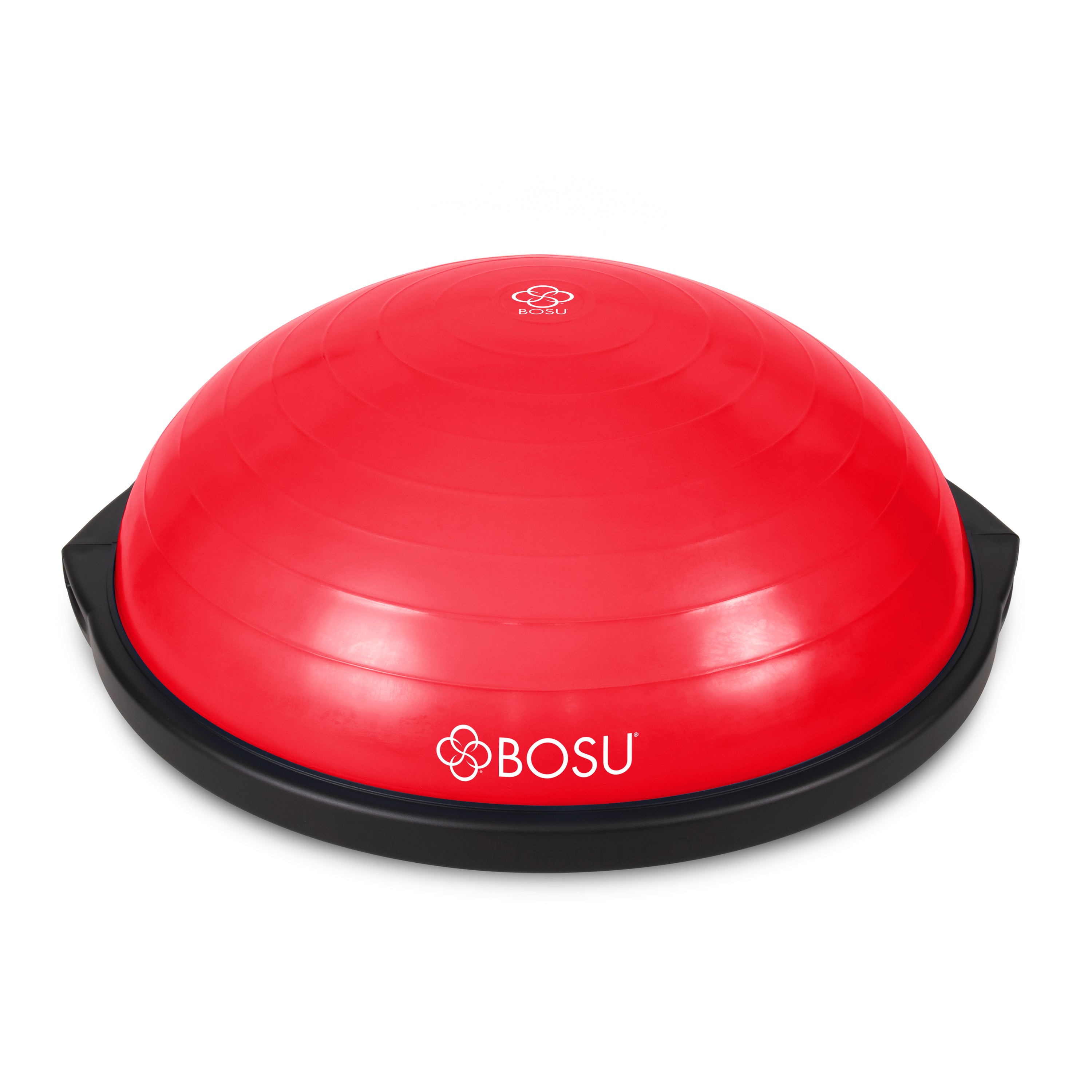
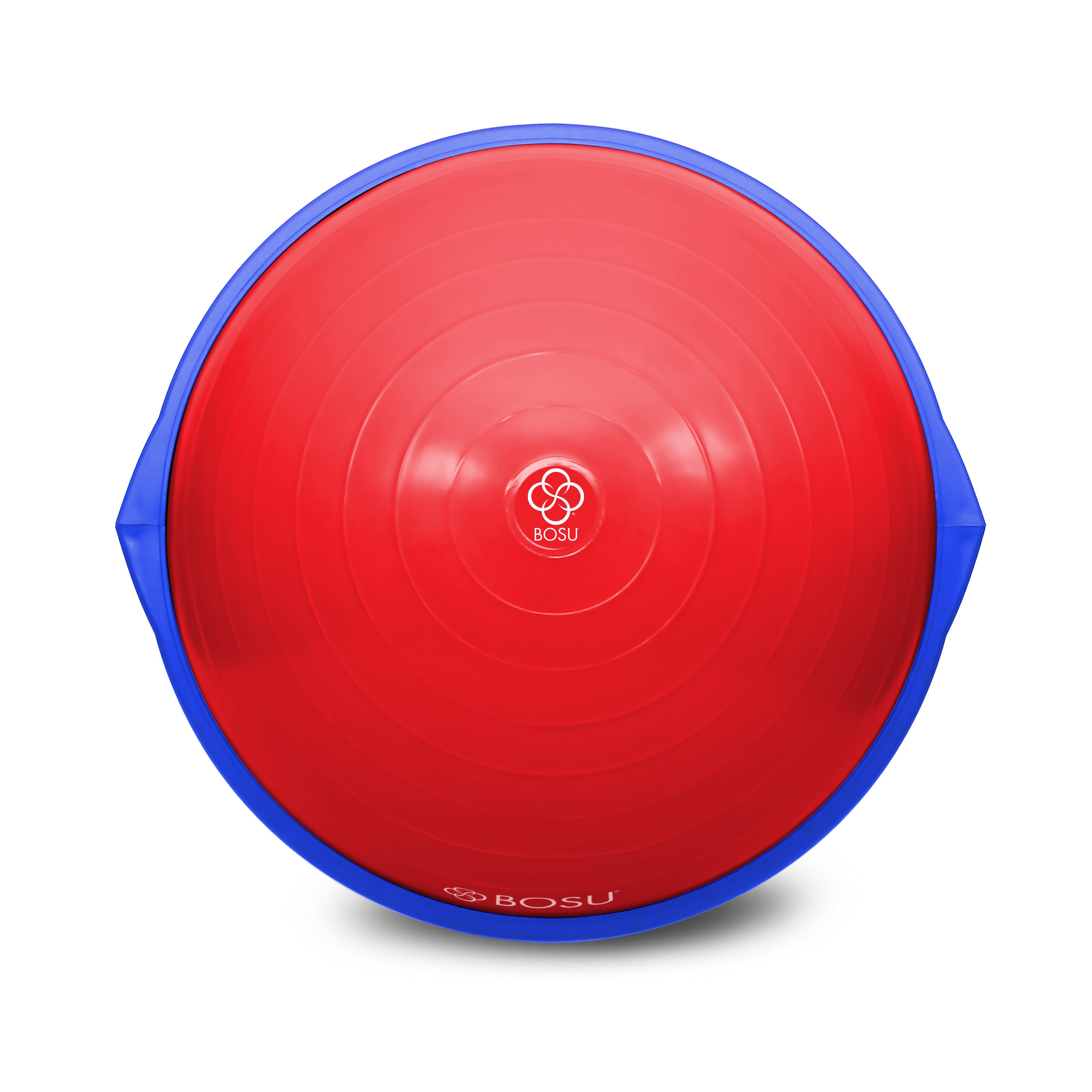
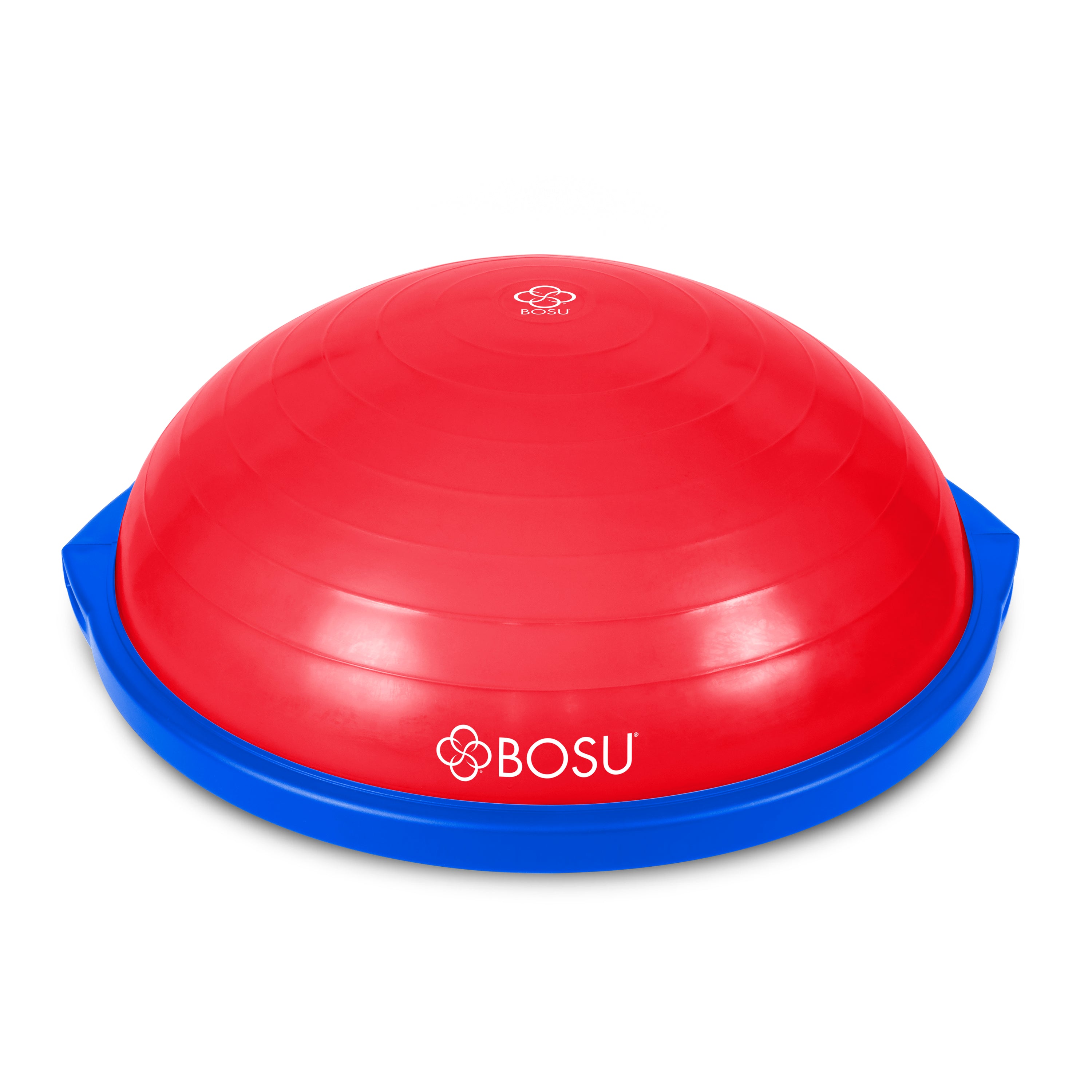
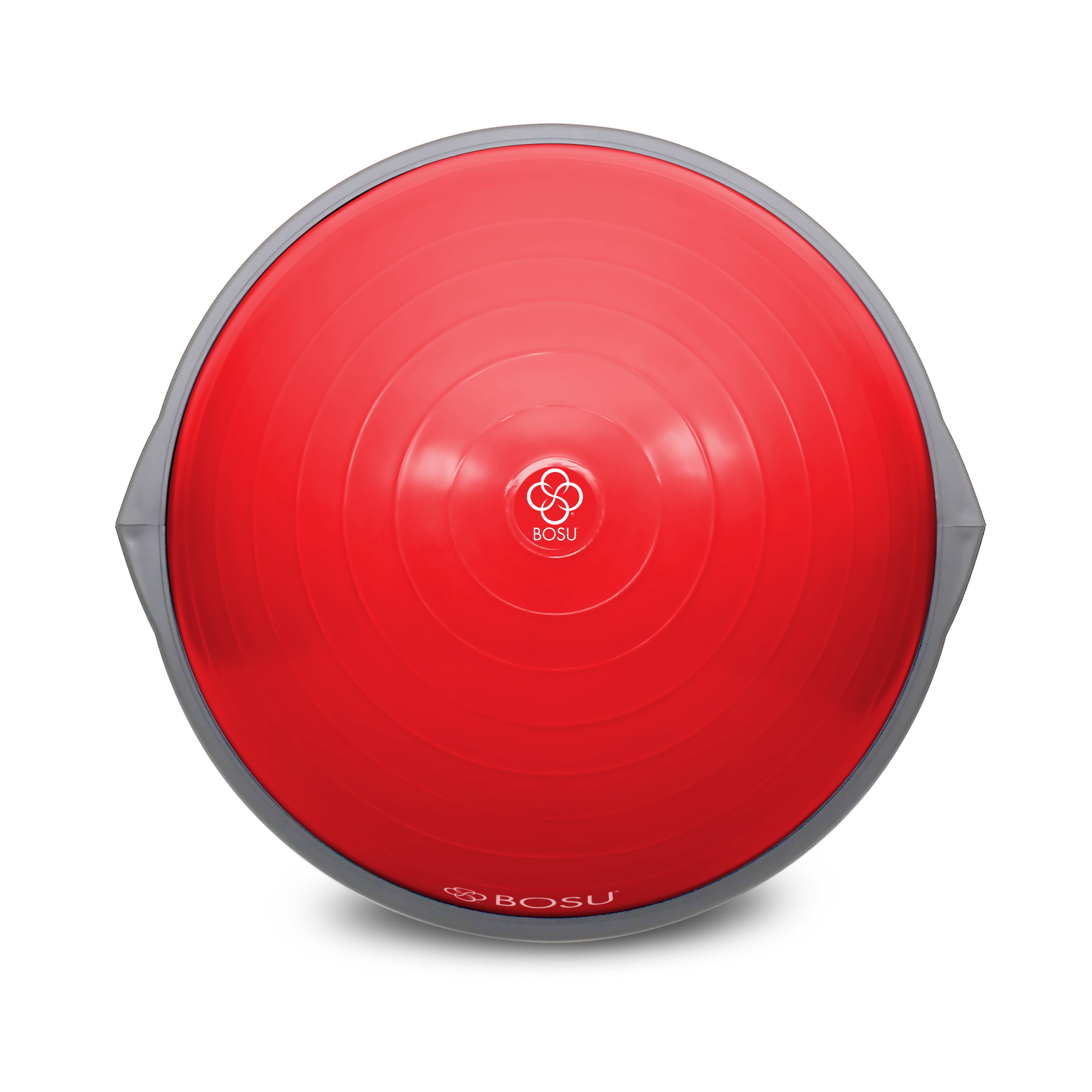
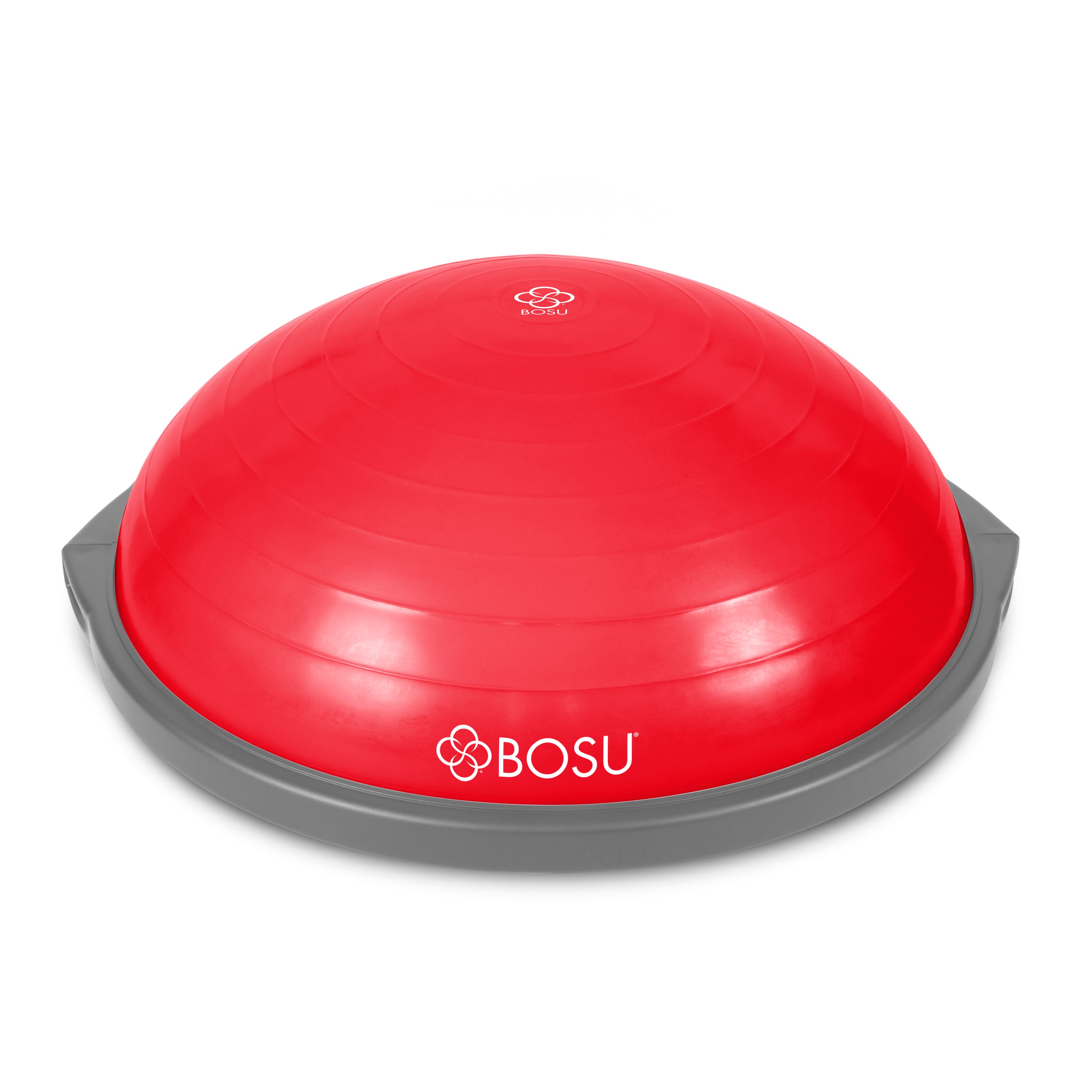
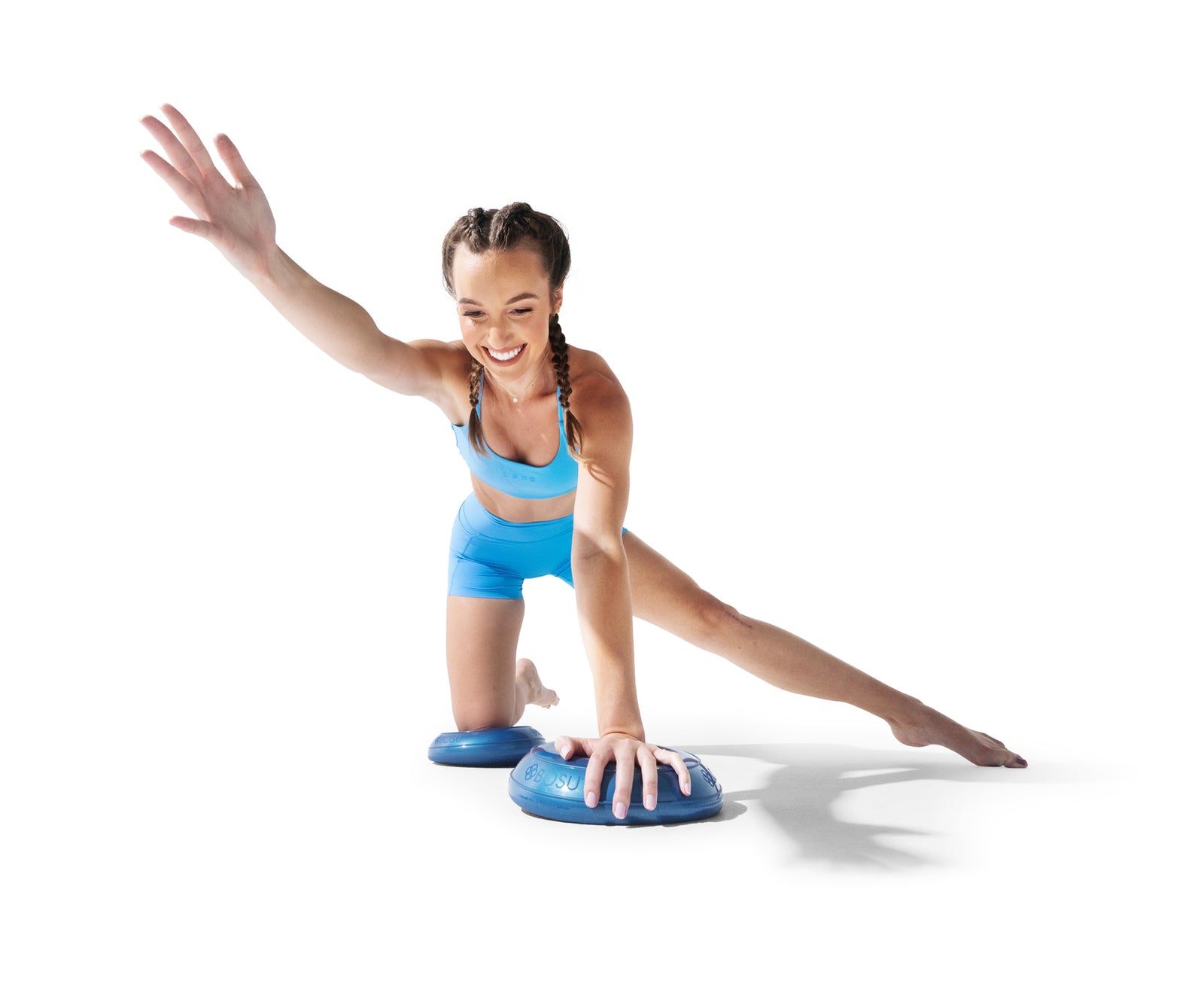
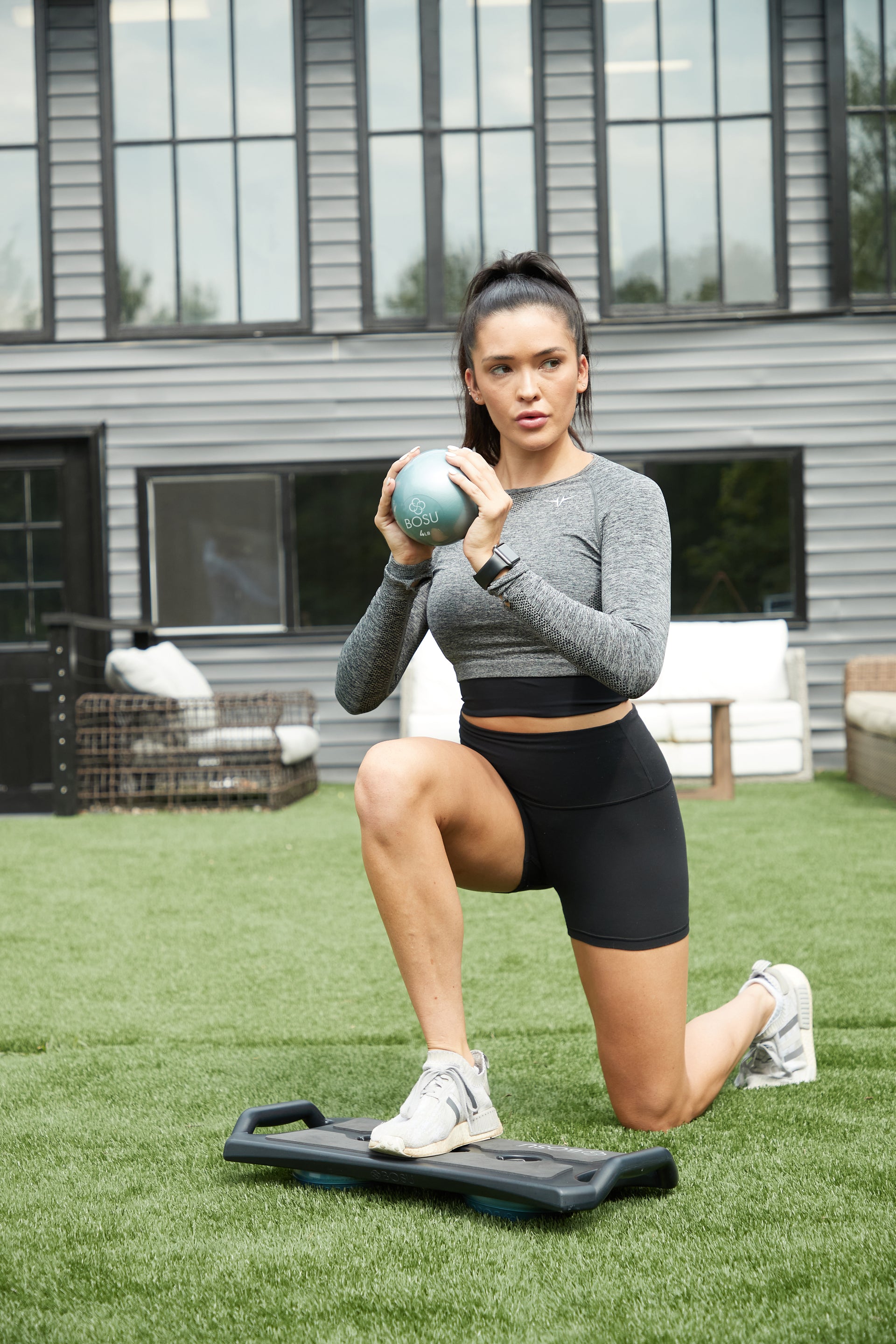
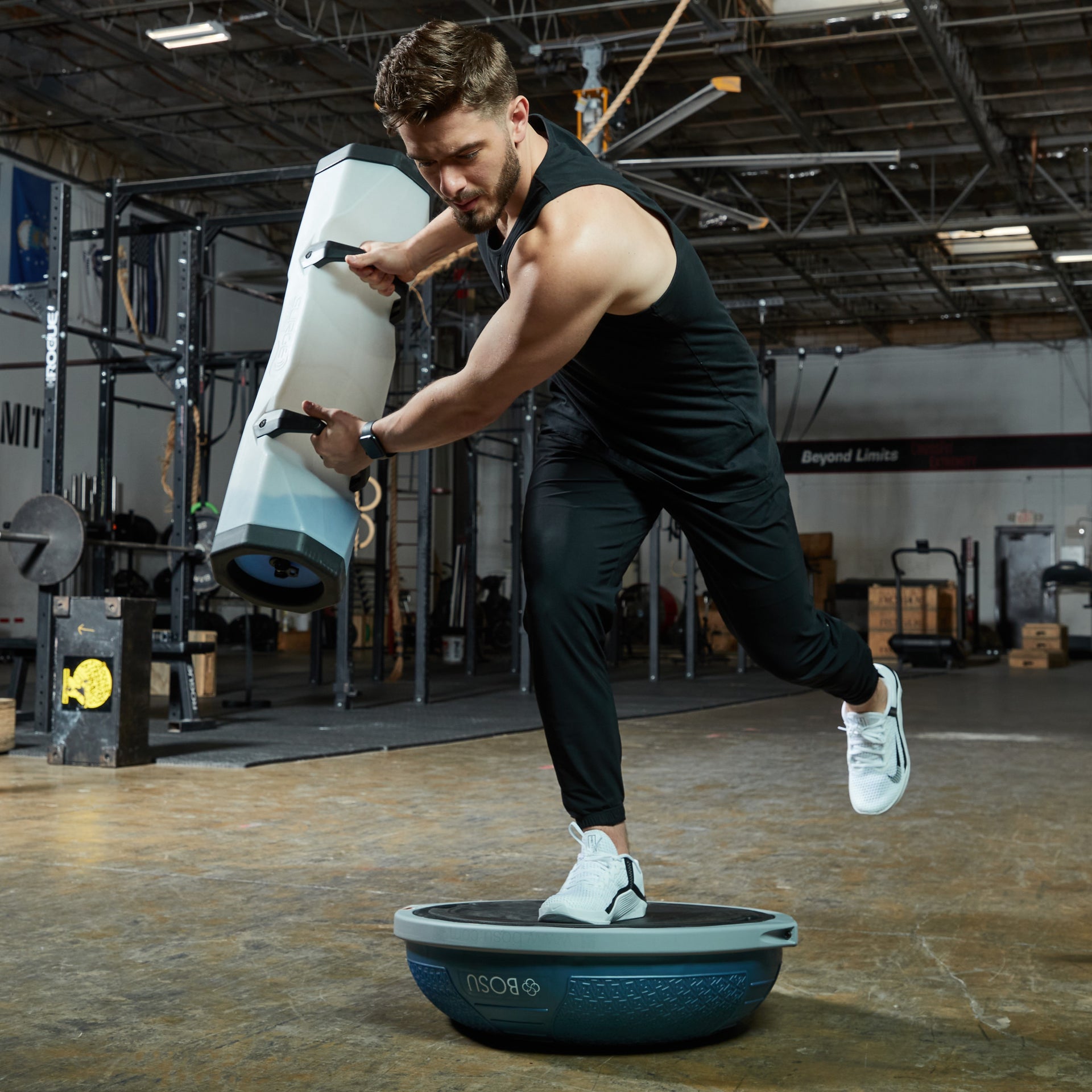
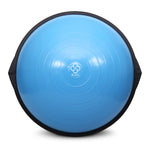
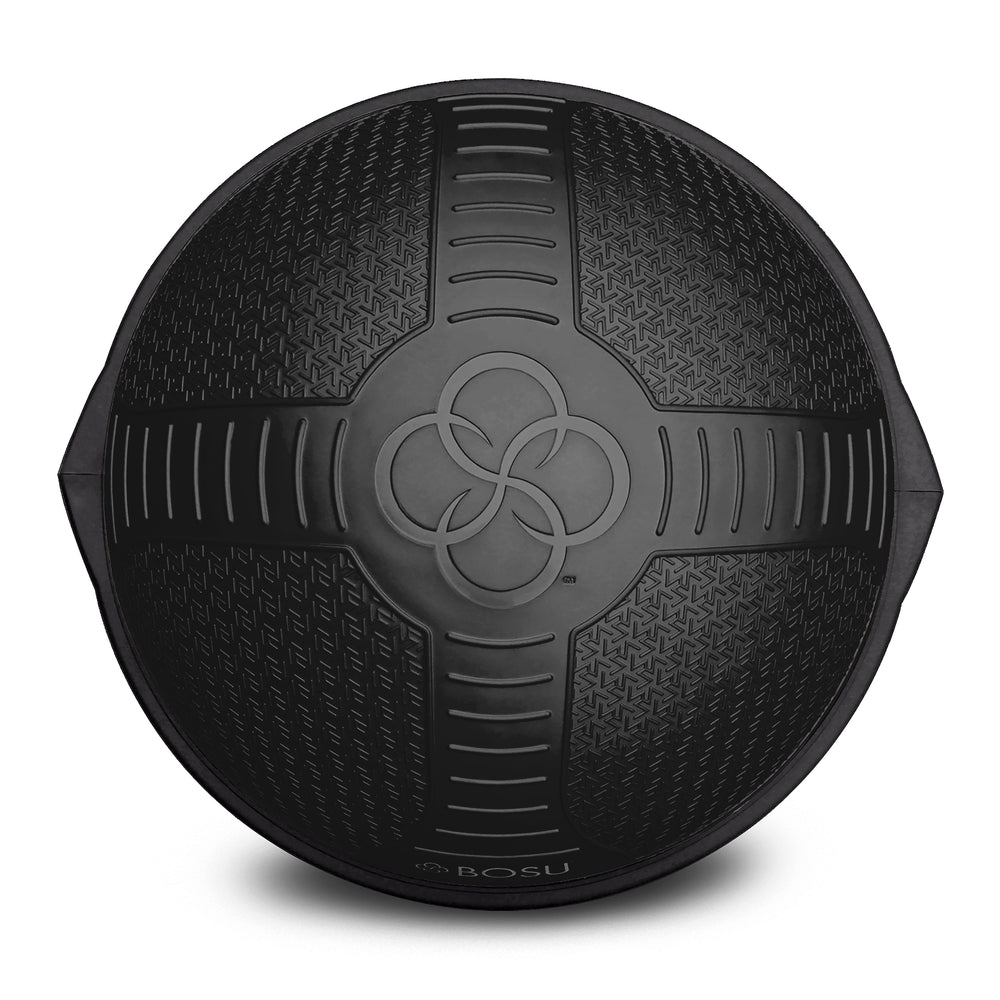
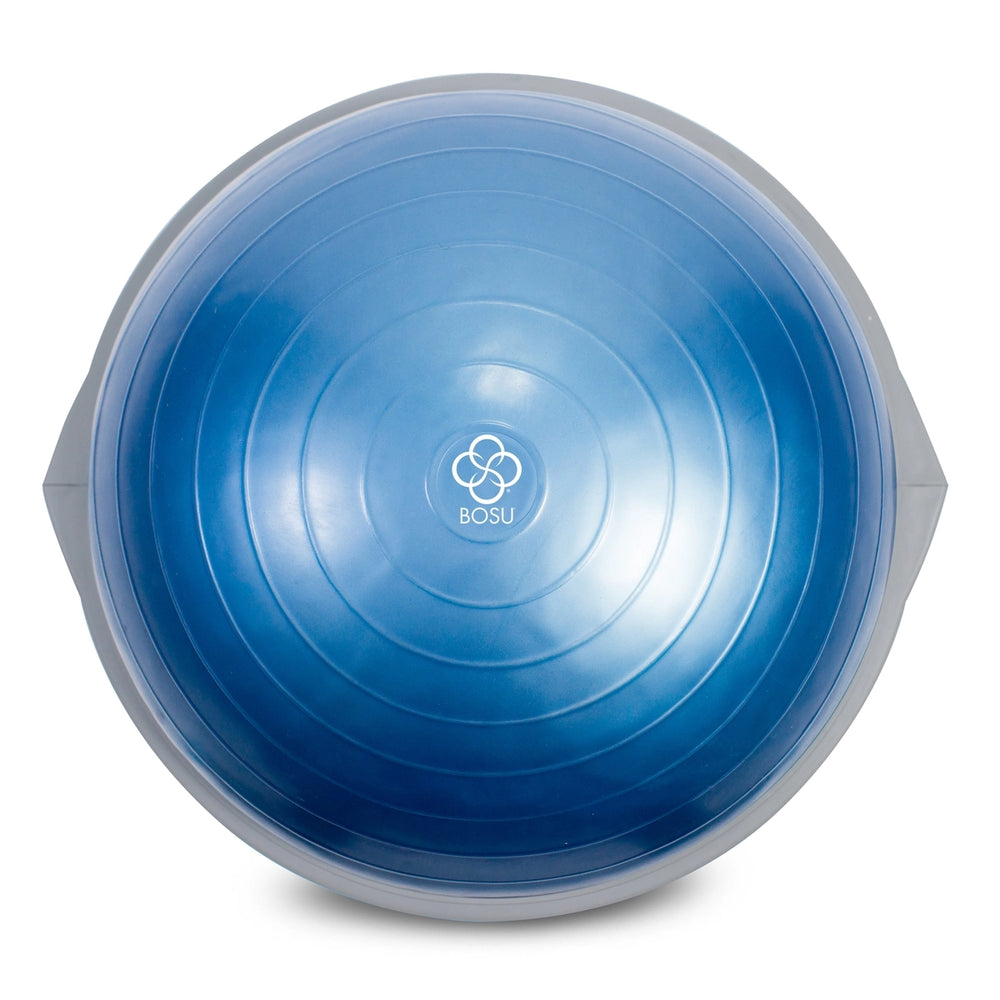
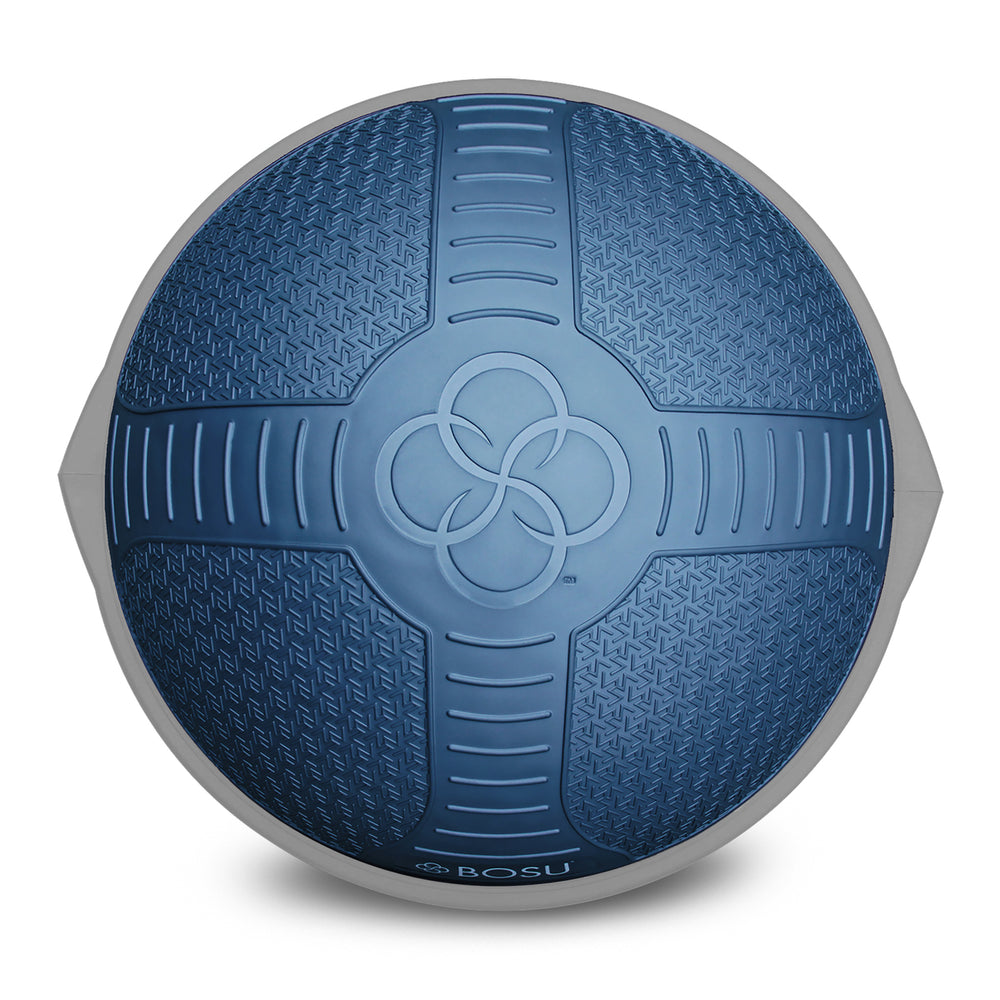
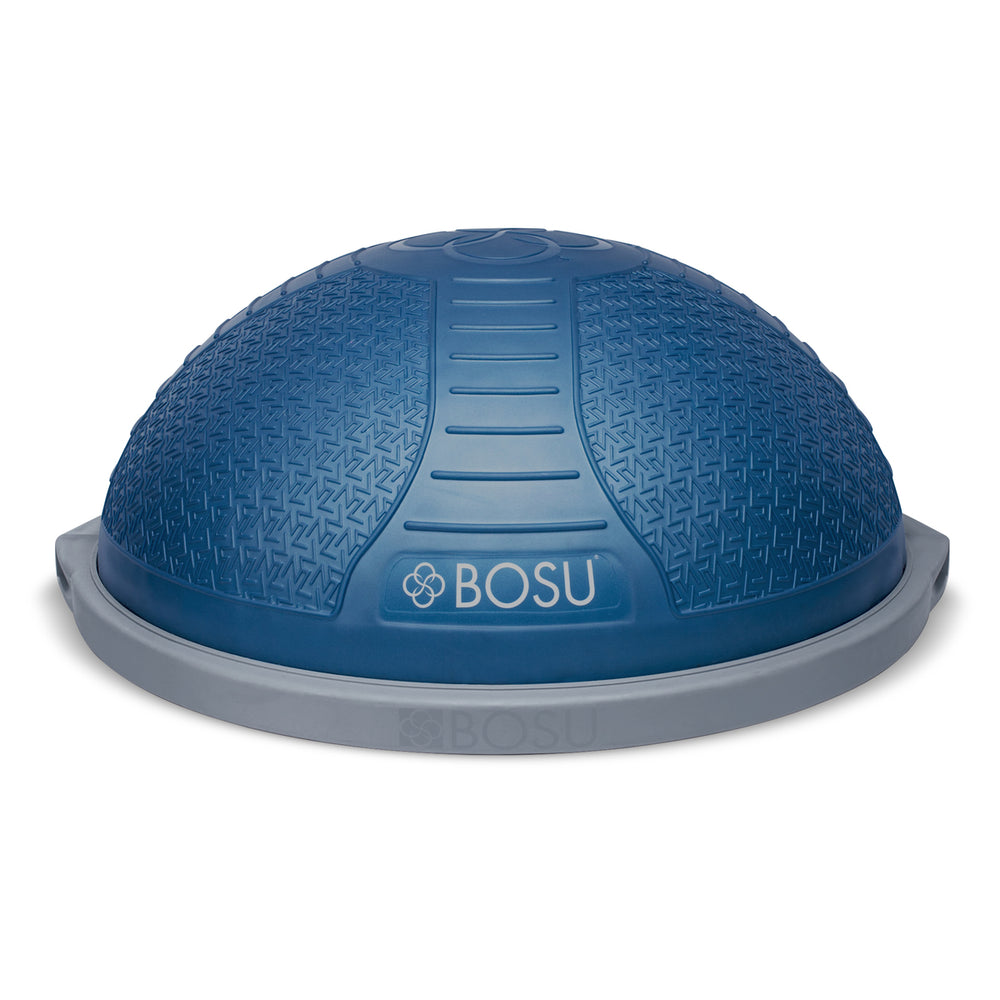
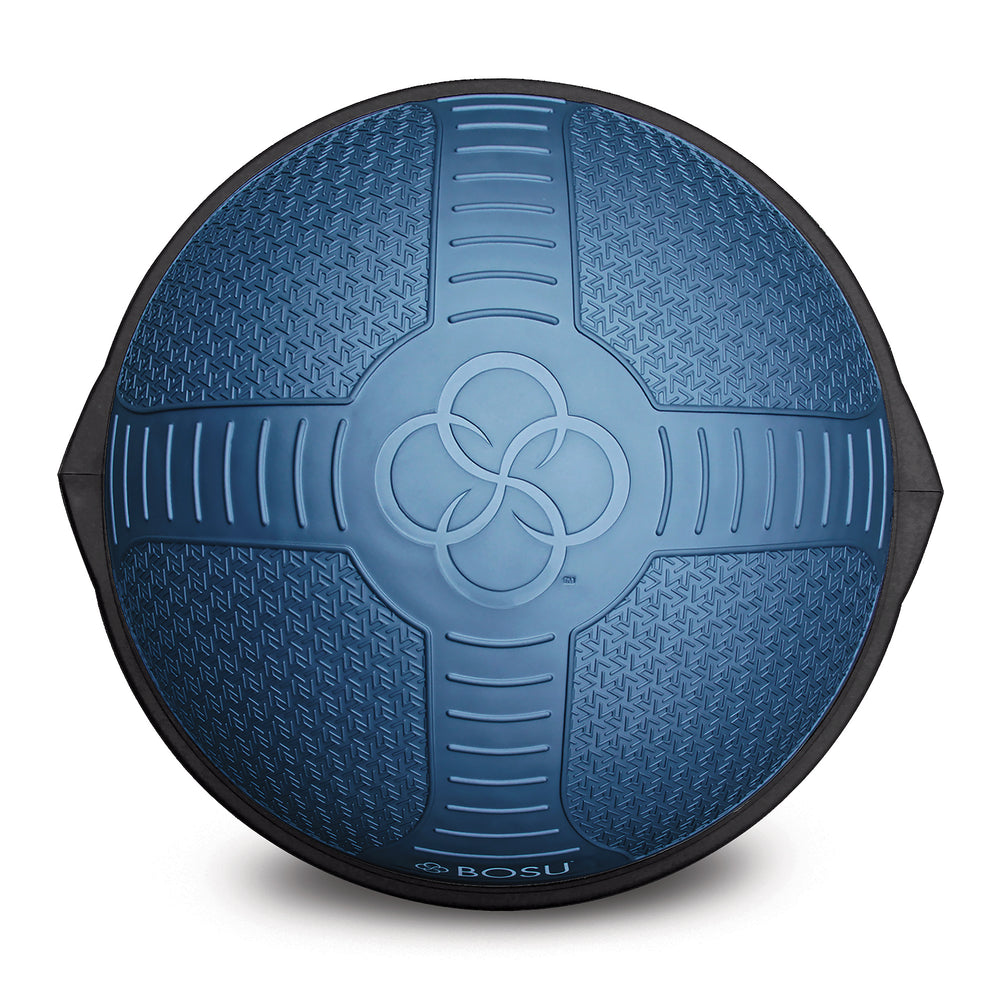
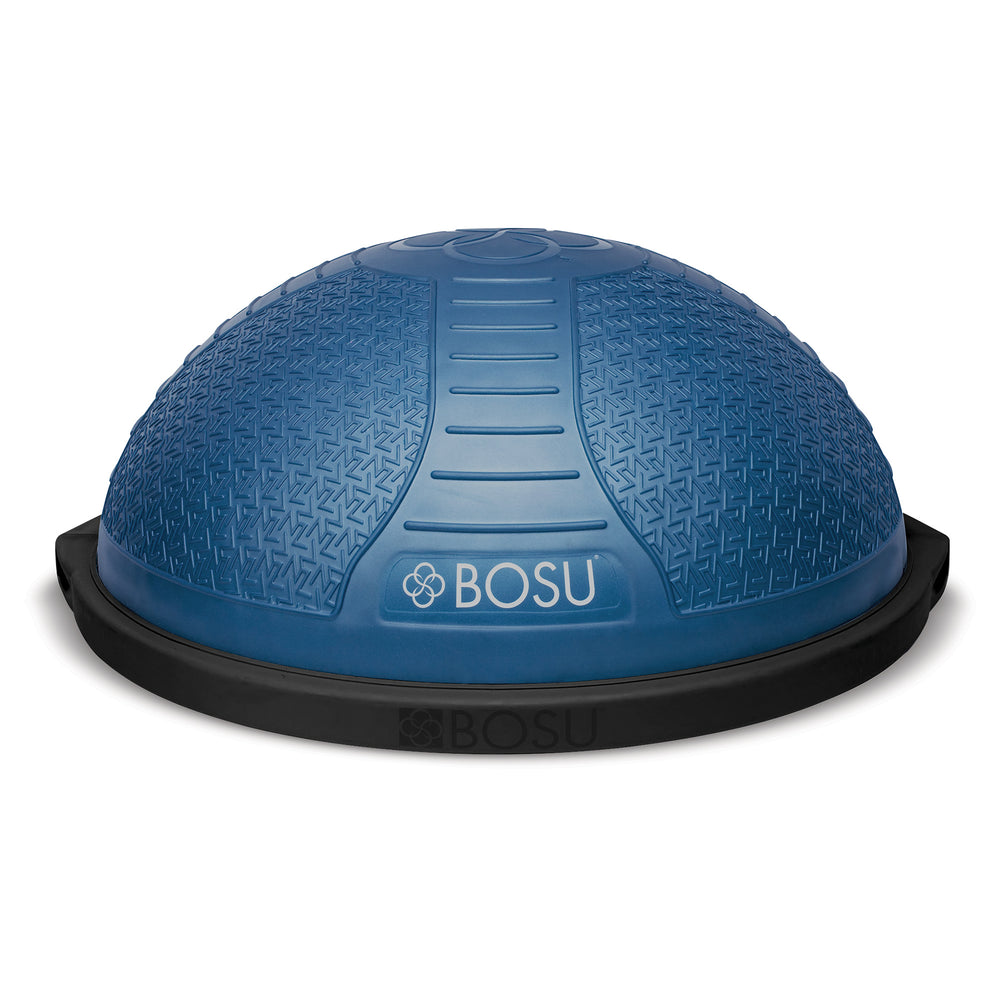
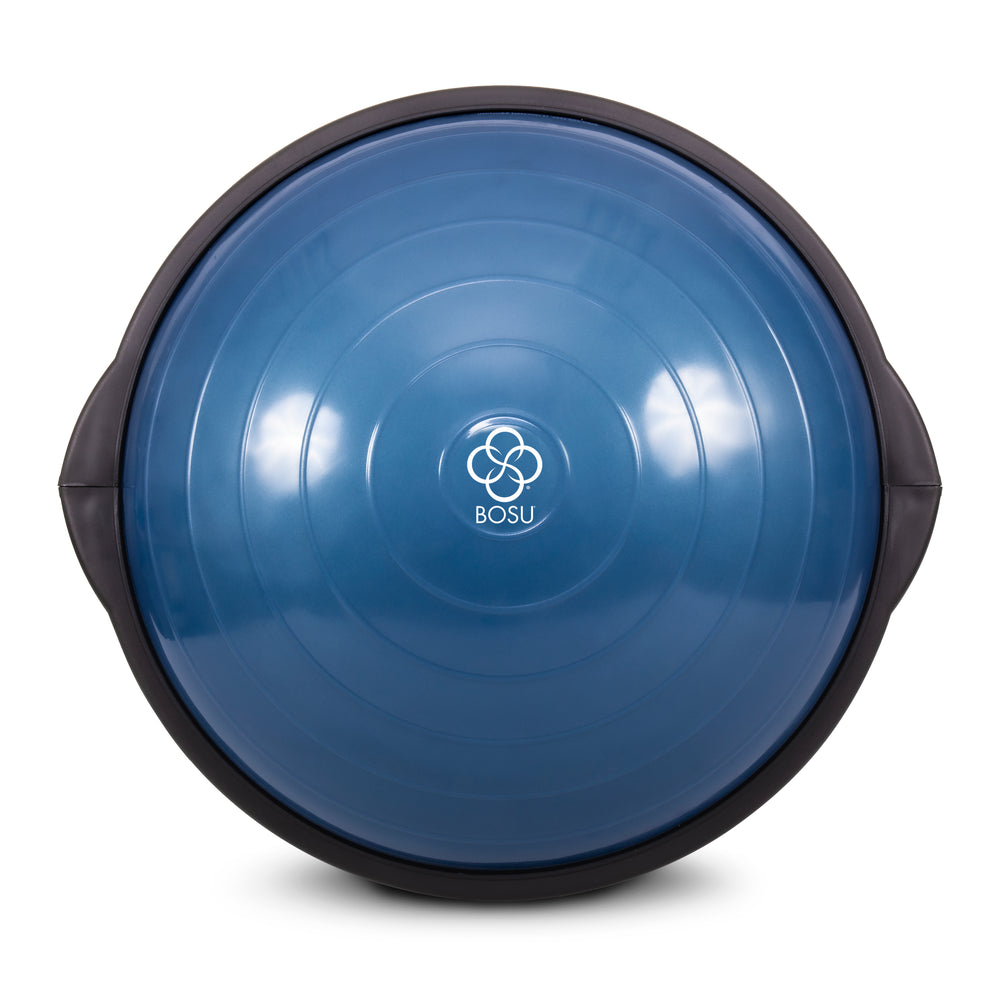
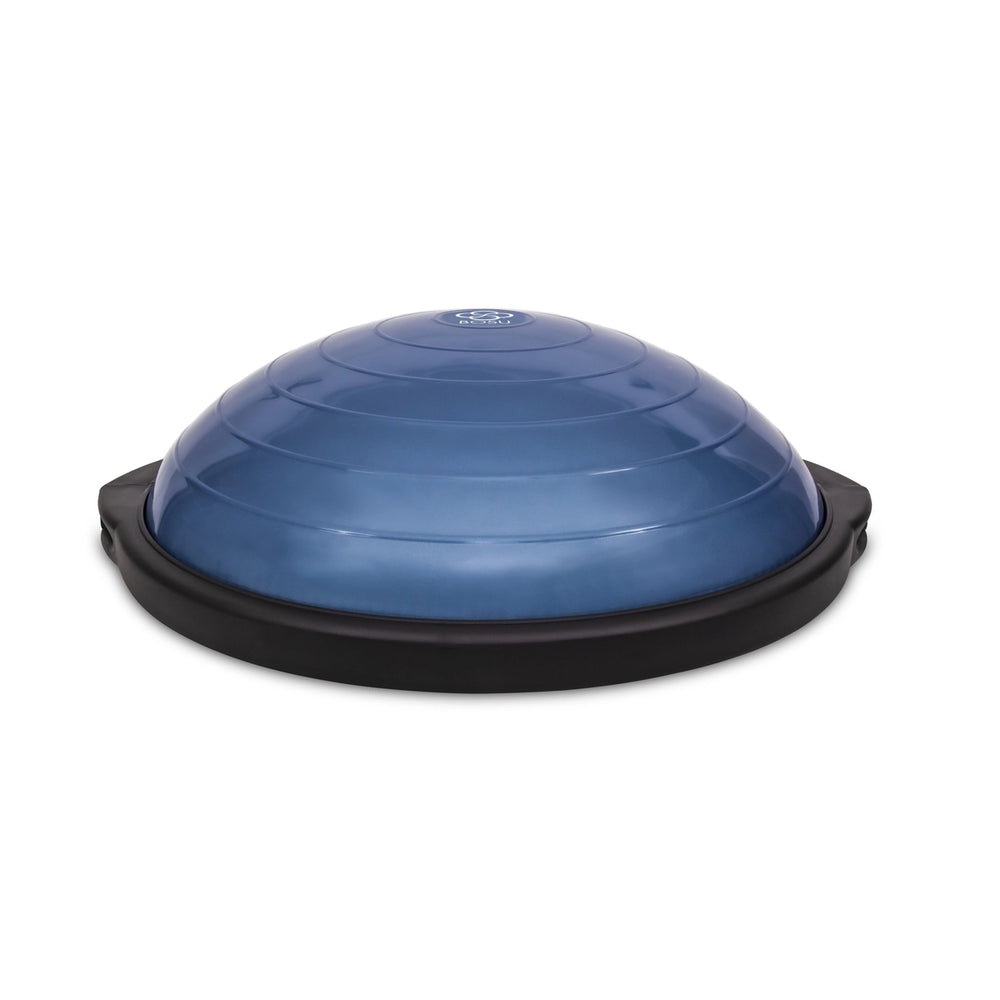
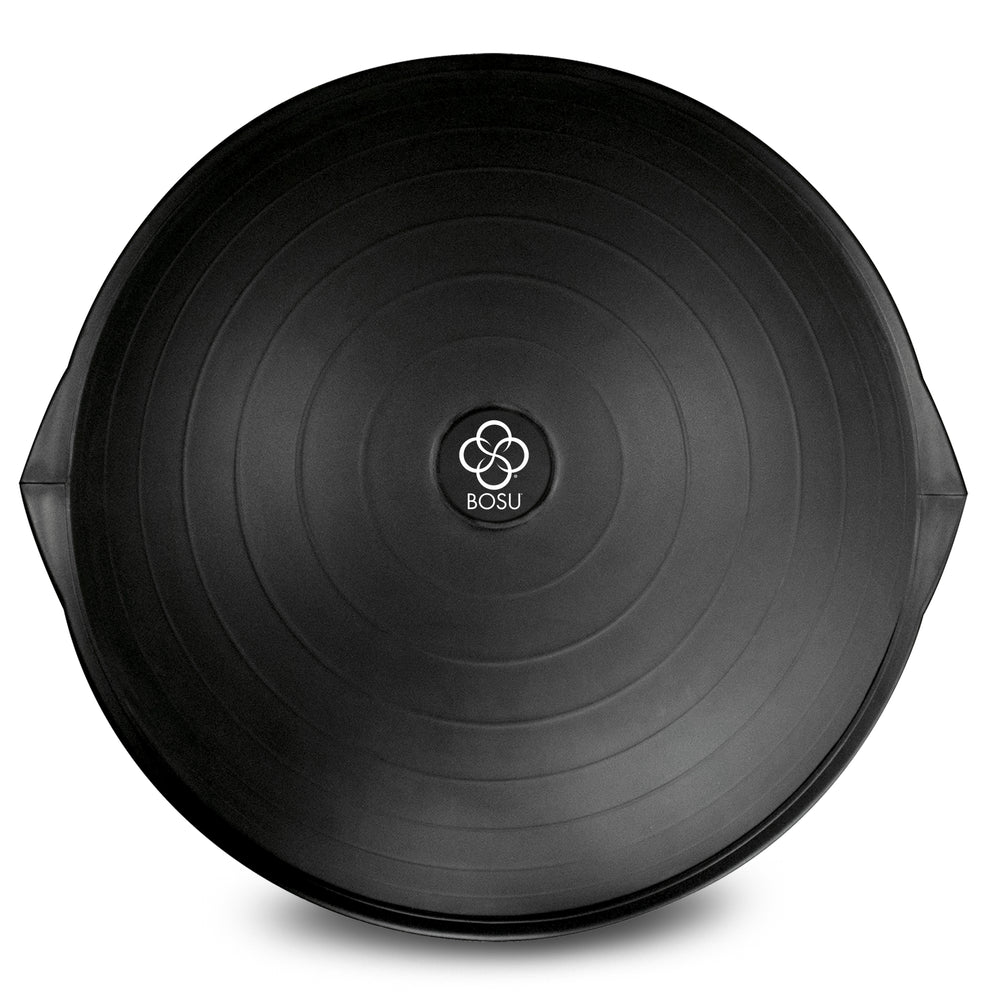
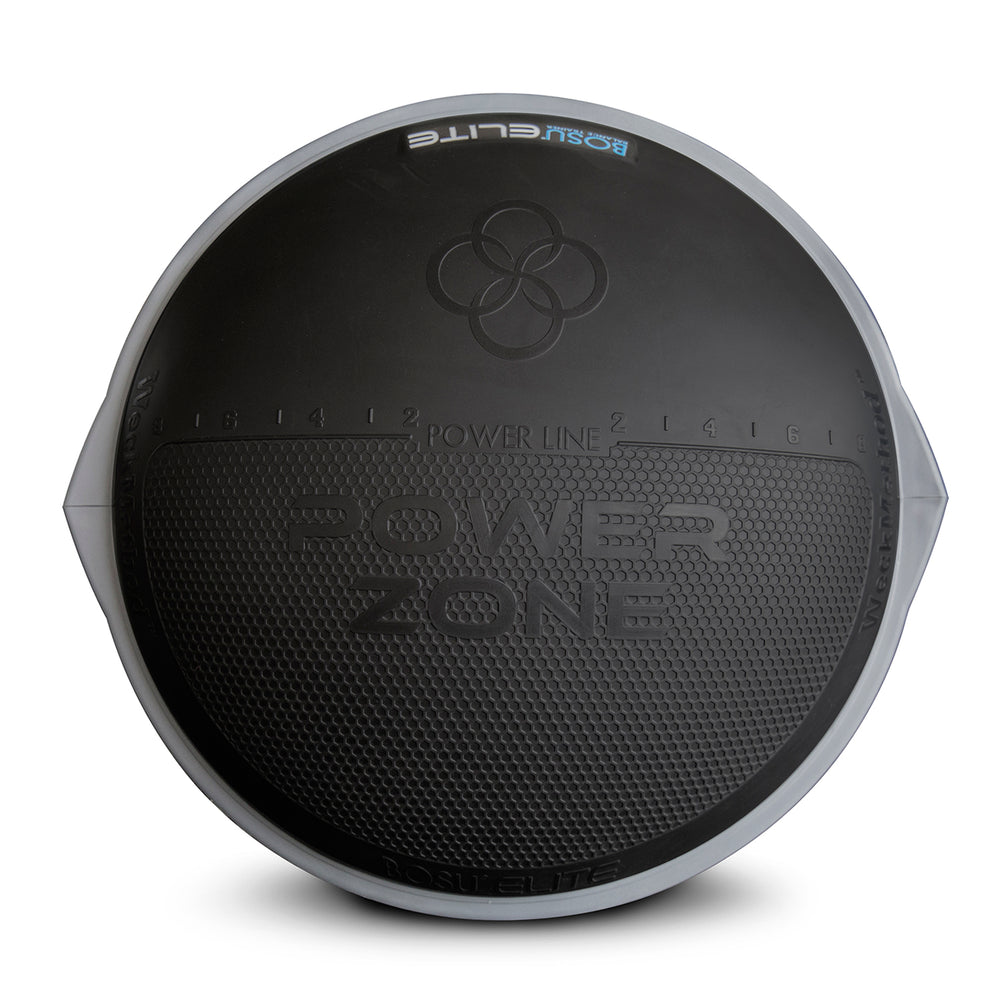
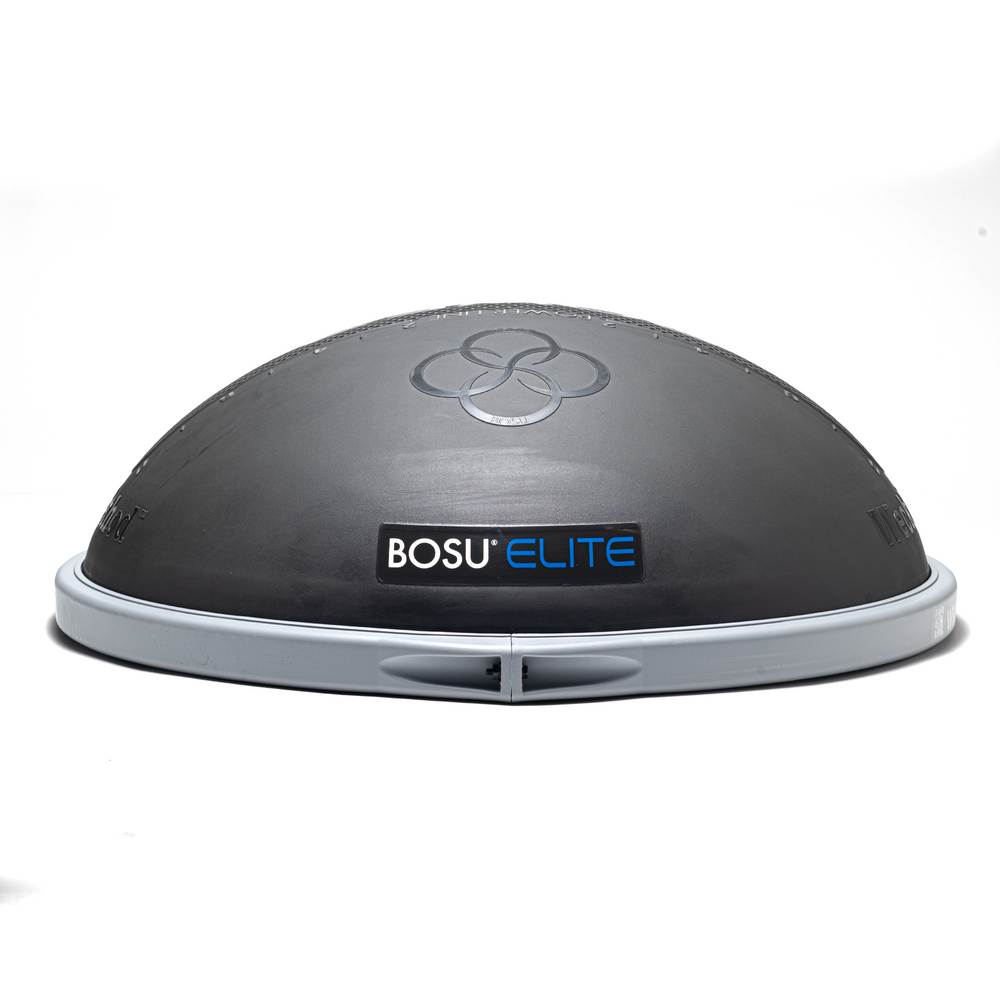
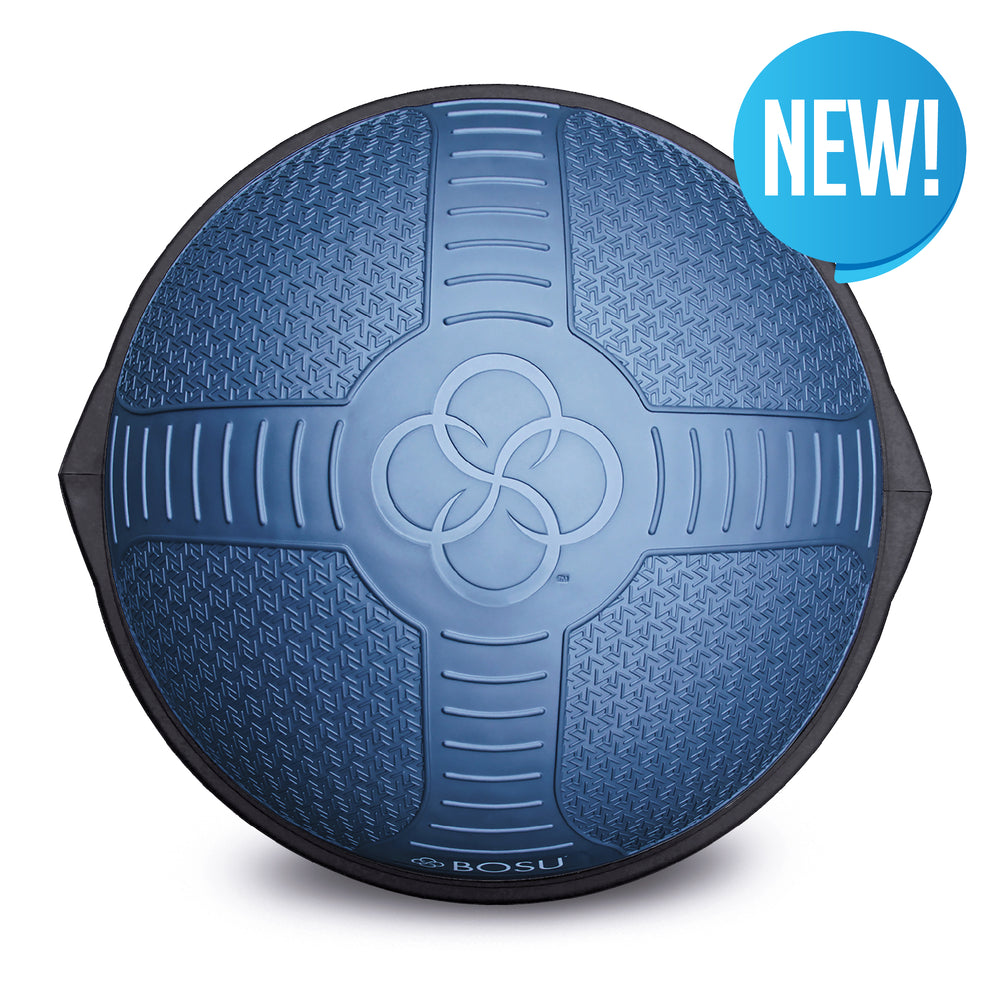
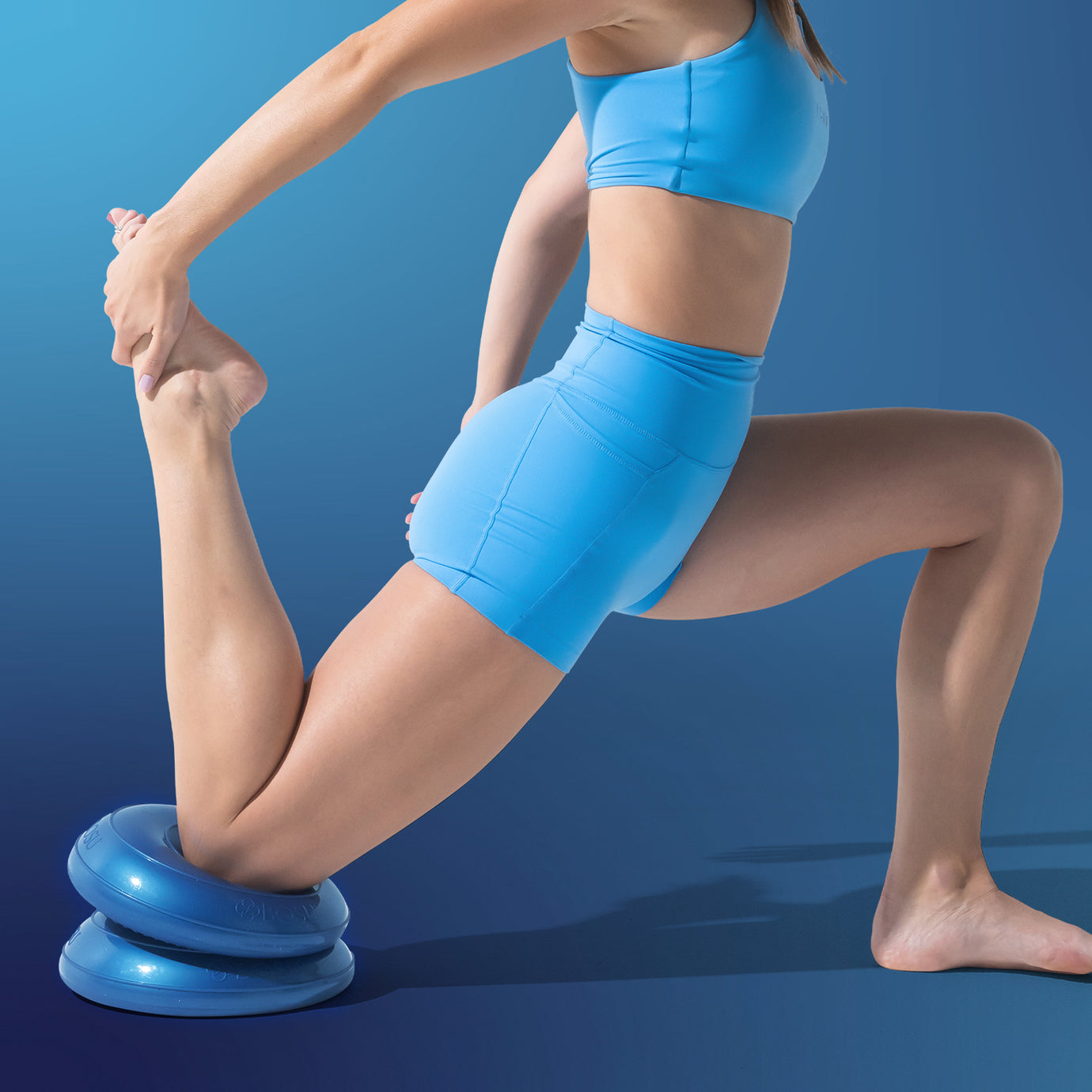
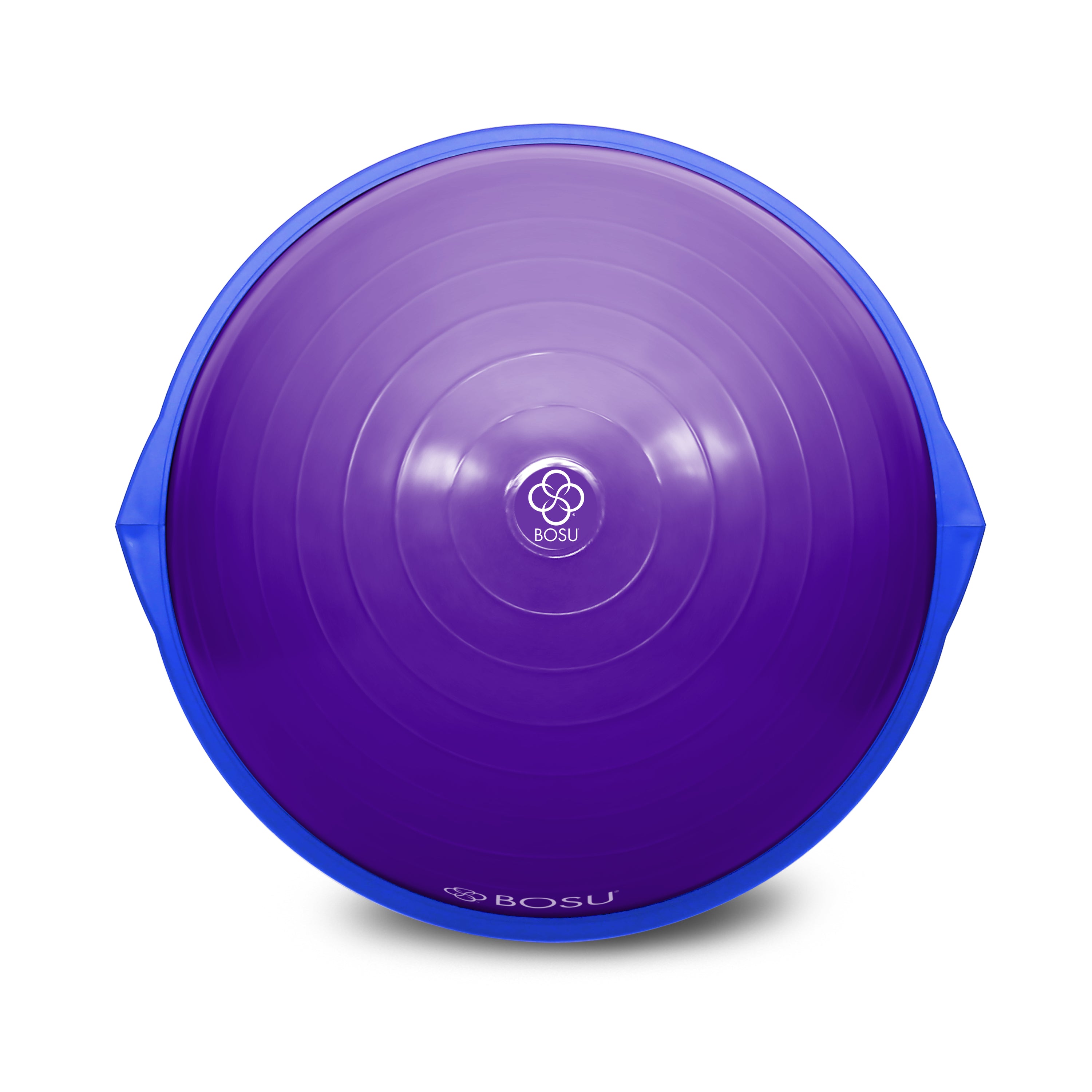
Standing on a BOSU® Balance Trainer (BT).
-
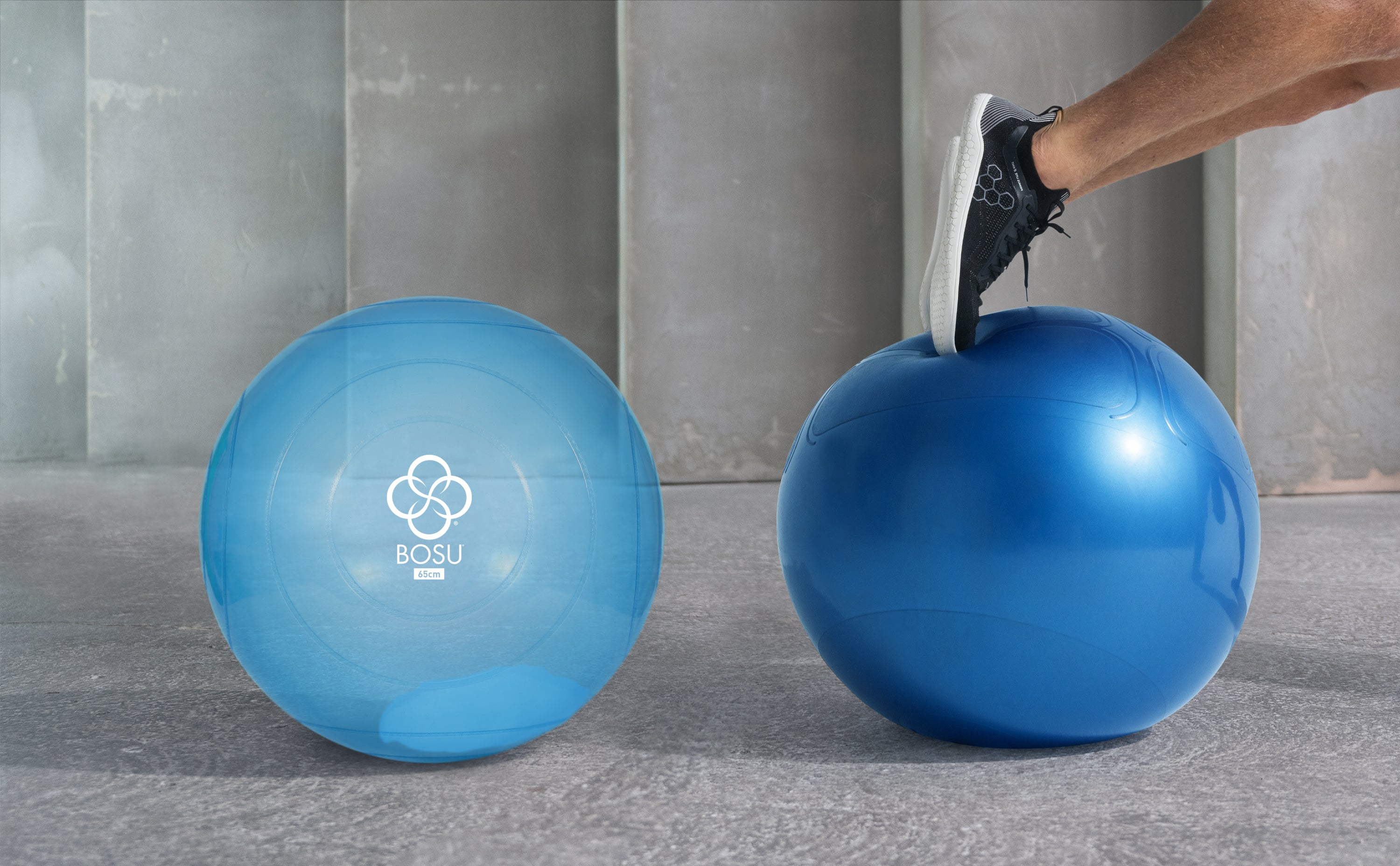
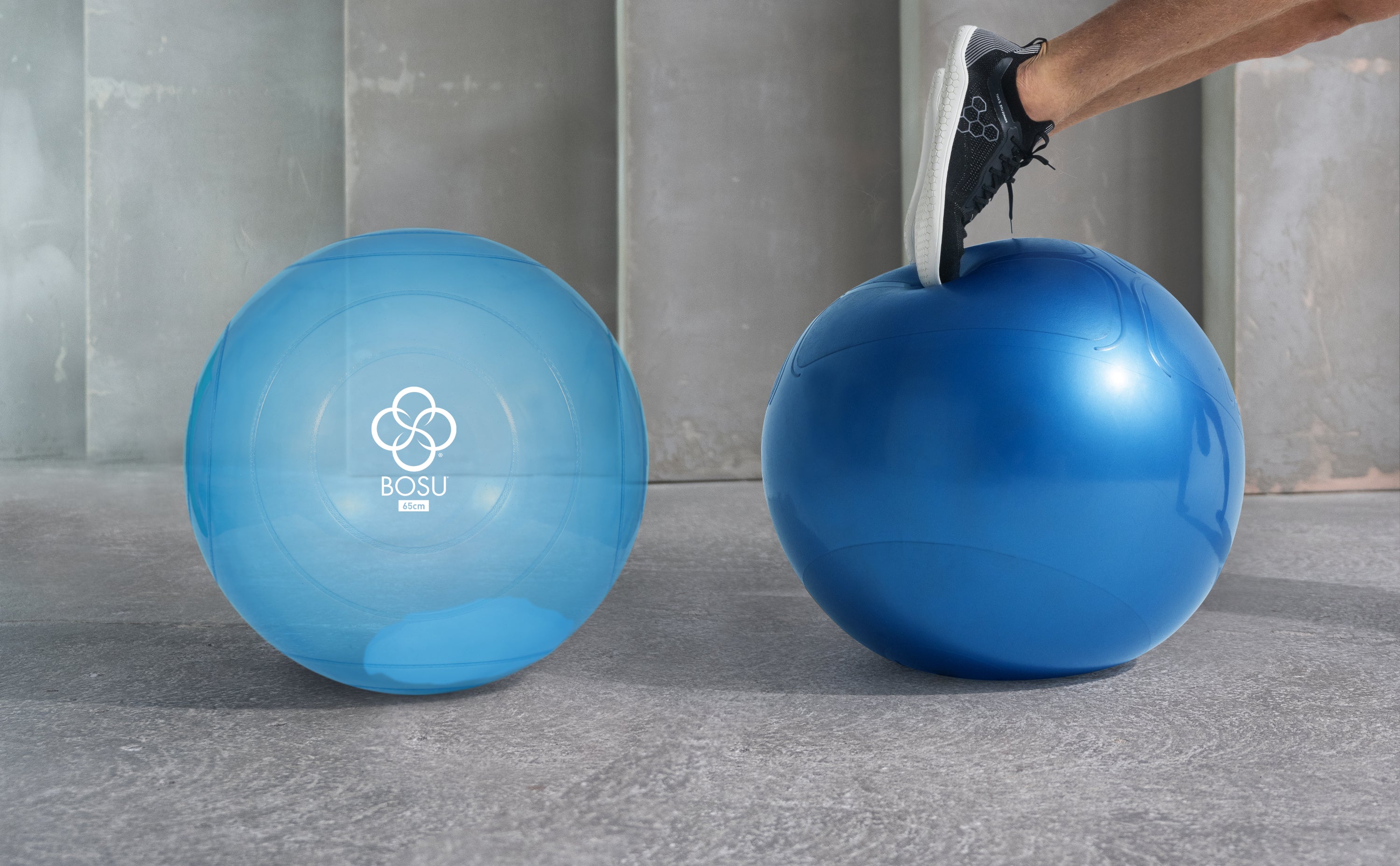
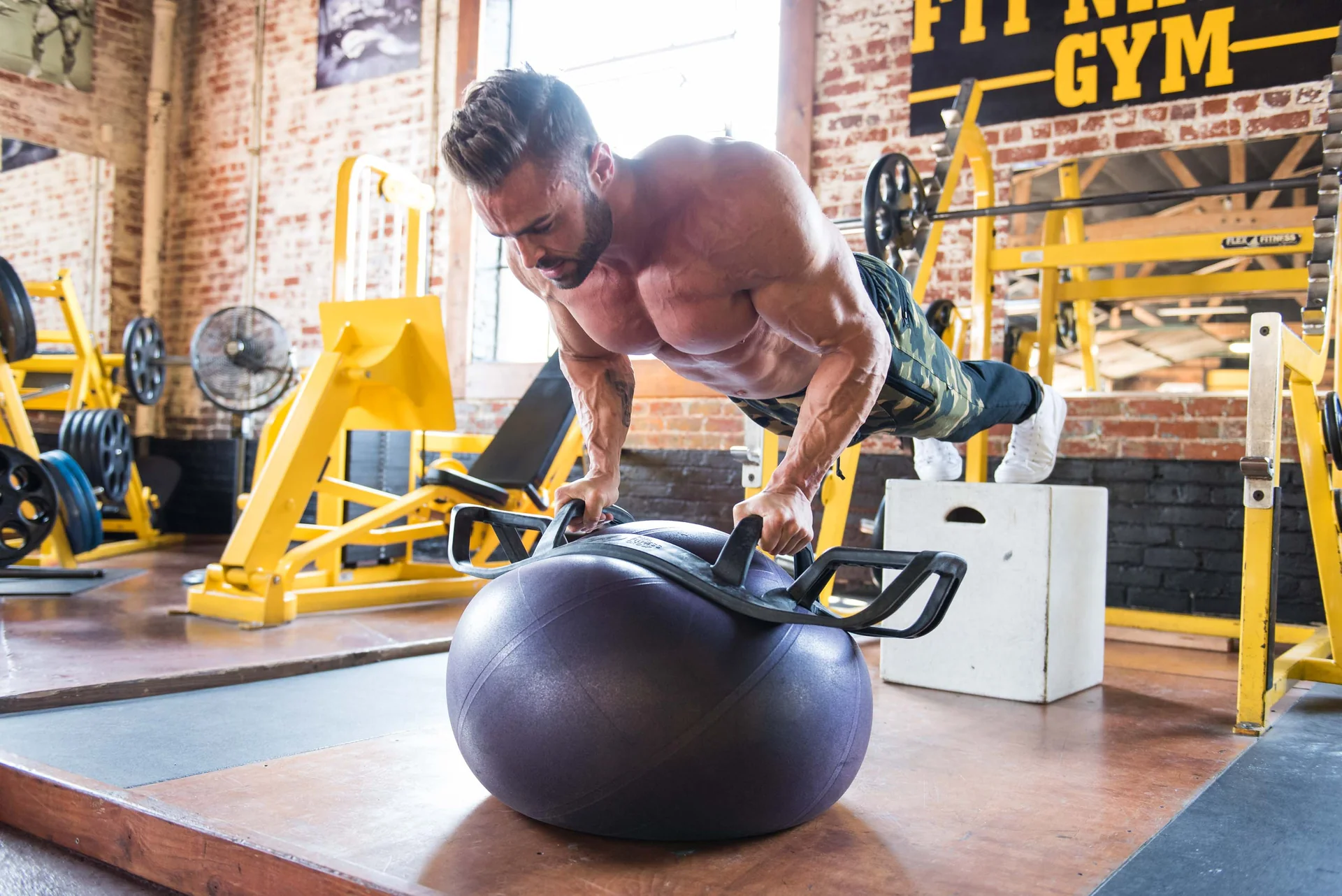
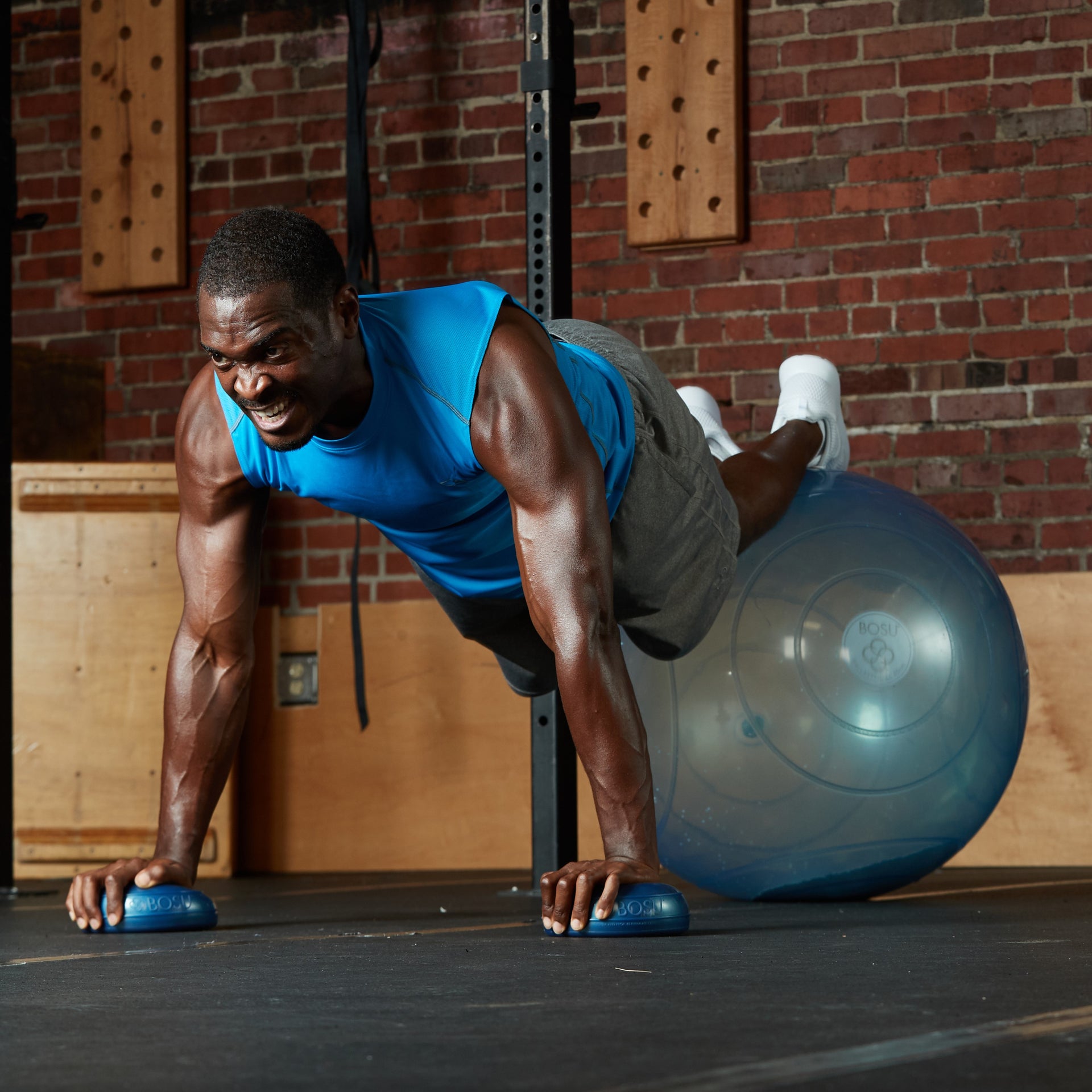
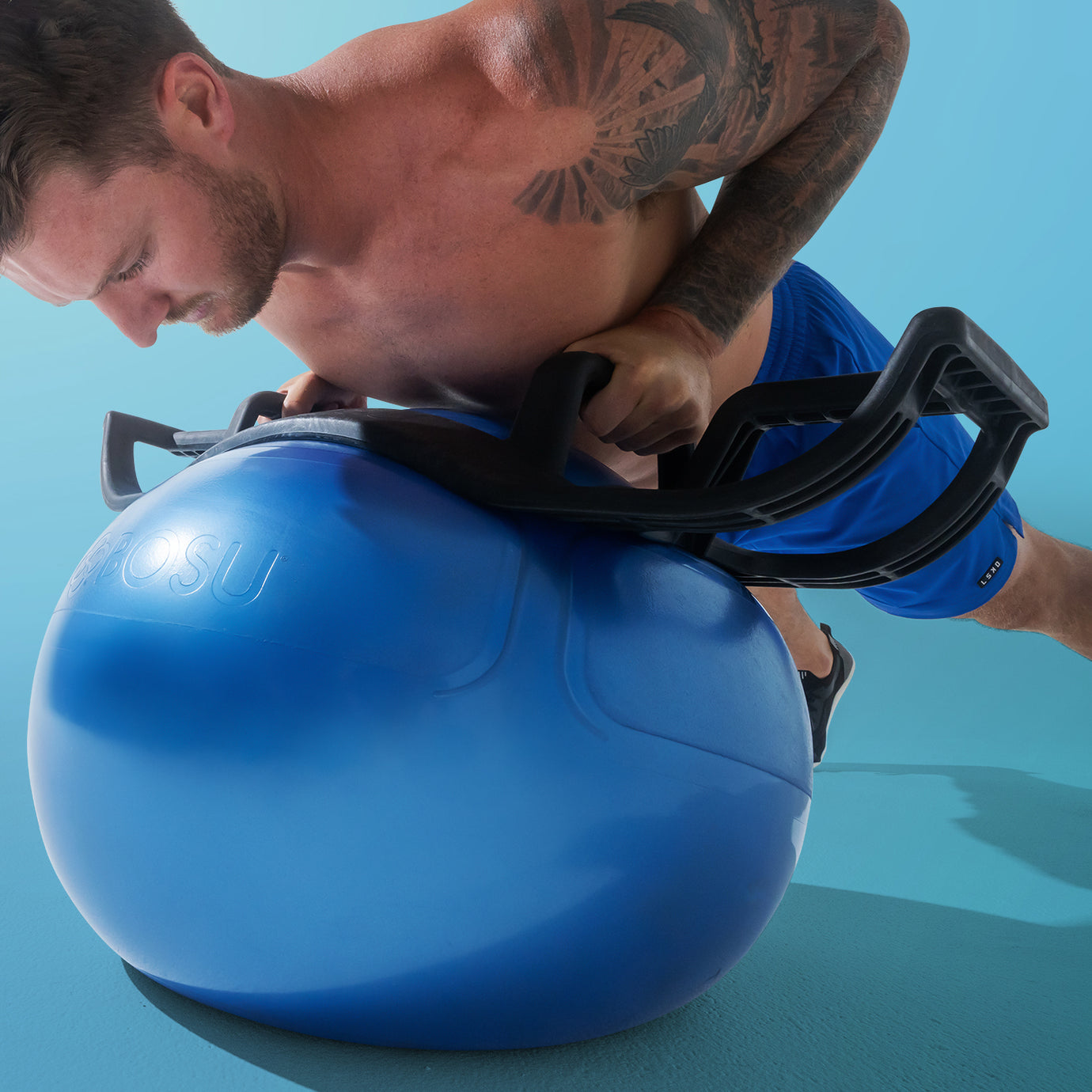
Kneeling on a stability ball, or BOSU® Ballast® Ball (BB).
-
Squatting on one leg.
|
Lower Brain
Brain Stem |
-
Coordination and control of movement and balance (equilibrium)
-
Posture stabilization.
|
-
Standing exercises
-
Stability ball (or BB) and BT exercises.
-
Any exercise that challenges the body's postural stabilization mechanisms. Establishes proper connections for optimal coordination and control of movement.
|
Lower Brain
Cerebellum |
-
Vestibulocerebellum - balance regulation and eye-head movement and head position changes.
-
Cerebrocerebellum - decision to move (initiation of movement).
-
Spinocerebellum - regulation of movement execution and muscle force to overcome load variations.
|
-
Exercising with both eyes open, one eye closed and both eyes closed. Then, both eyes closed with cervical rotation.
-
Integrative exercises introduce the CNS to many different movement patterns. This leads to proper decision and selection of appropriate action to be performed.
-
Assymmetrical loading on exercises.
|
Lower Brain
Basal Ganglia |
-
Initiation and control (sustaining) of repetitive voluntary movement as walking and running
-
Postural maintenance and muscle tone.
-
Scaling of movement parameters such as velocity, direction, and amplitude.
|
-
Any exercise that challenges postural mechanisms.
-
Dynamic movement exercises (i.e. medicine ball, plyometrics exercises)
|
Keys to Safely Implementing Balance Training Into a Client's Program
The main goal of balance training is to continually increase the client's awareness of balance threshold or limits of stability by creating controlled instability. In order to do this, the following steps may help.
1. Correct large postural deviations.
Optimal posture leads to muscle balance. Optimal muscle balance leads to proper recruitment of joint stabilizing muscles, and maintains proper axis of rotation of the joint. This leads to accurate proprioceptive information from the somatosensory system as the joint capsule, muscle, and ligament structures are not strained. Additionally, if proper muscles are recruited, synergistic dominance (assisting muscles taking on the role of prime movers instead of being assistants) will be avoided, which leads to injury. With proper somatosensory input, balance will be improved. Additionally, poor posture, such as thoracic kyphosis, and forward head posture also reduces spinal rotation. Spinal rotation and three-dimensional freedom of movement is needed to correct an individual when balance reaction is called upon. Overall, to train balance, strive for proper alignment so the body learns how to move to good posture for its position of strength and reactivity, and not to one of compensation (i.e. knees caving inward atop a BT).
2. Match client's environmental requirement to training.
Does the client need righting reactions (perturbations on a stable surface, like ground based sports), or equilibrium reactions (moving on an unstable surface, like windsurfing, working on a boat, horseback riding or roller blading)? Once the client's needs have been determined, train his/her balance accordingly.
Righting reactions can be trained with single leg training, and equilibrium reactions can be trained using an unanchored stability ball or BB (legs and arms are not touching the floor), balance board, BT or vewdoo board. Match the client's work and sport needs to training. Most importantly, be safe. Consider the risk to reward ratio when prescribing exercise.
3. Challenge stability.
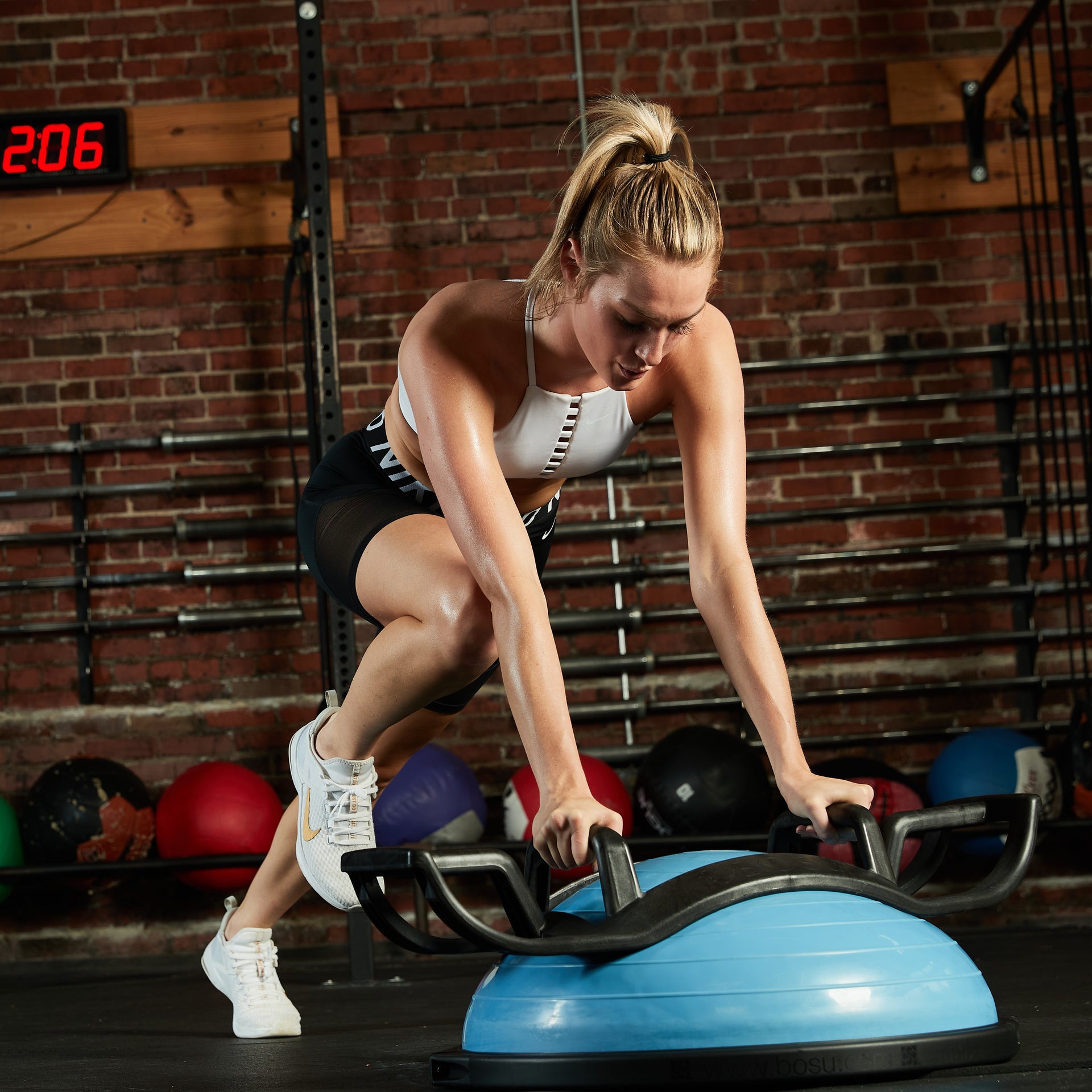
Challenge the client's stability when using a stability ball (or BB) or BT by shifting his/her center of gravity (by moving arms and legs), but pay attention to body alignment. This trains the client to react to equilibrium perturbations with control. When standing on a BT, teach the client to make all balance shifts with the lower body while keeping the upper body quiet and aligned. While on a stability ball or BB, teach the client to maintain the ear over the shoulder and good postural alignment when shifting, sitting or kneeling on the ball. This helps the client acclimate to the balance apparatus, and eventually combine other advanced exercises while using the ball as a training tool.
4. Combine traditional exercise with balance training.
If combining traditional lifting exercises with balance reaction training, be sure each exercise is mastered before combining exercises. If this is not adhered to, it results in poor technique, diminished effectiveness of the exercise and possible injury.
5. Use standing progressions.
When executing standing exercises, follow the progression below:
Standing (two-legged) - Standing (one-legged) - Standing on balance surface (two-legged) - Standing on balance surface (one-legged) - Combining traditional lifts with standing balance (two-legged to one-legged).
6. Use sitting progressions.
When executing sitting exercises, follow the progression below:
Sitting on a stable surface with one leg raised - Sitting on an unstable surface moving arms or legs to shift center of gravity - Kneeling with support - Kneeling without support - Sitting on unstable surface in combination with traditional lifting exercises - Kneeling on unstable surface in combination with traditional lift exercises.
7. Supplement with balance training tools.
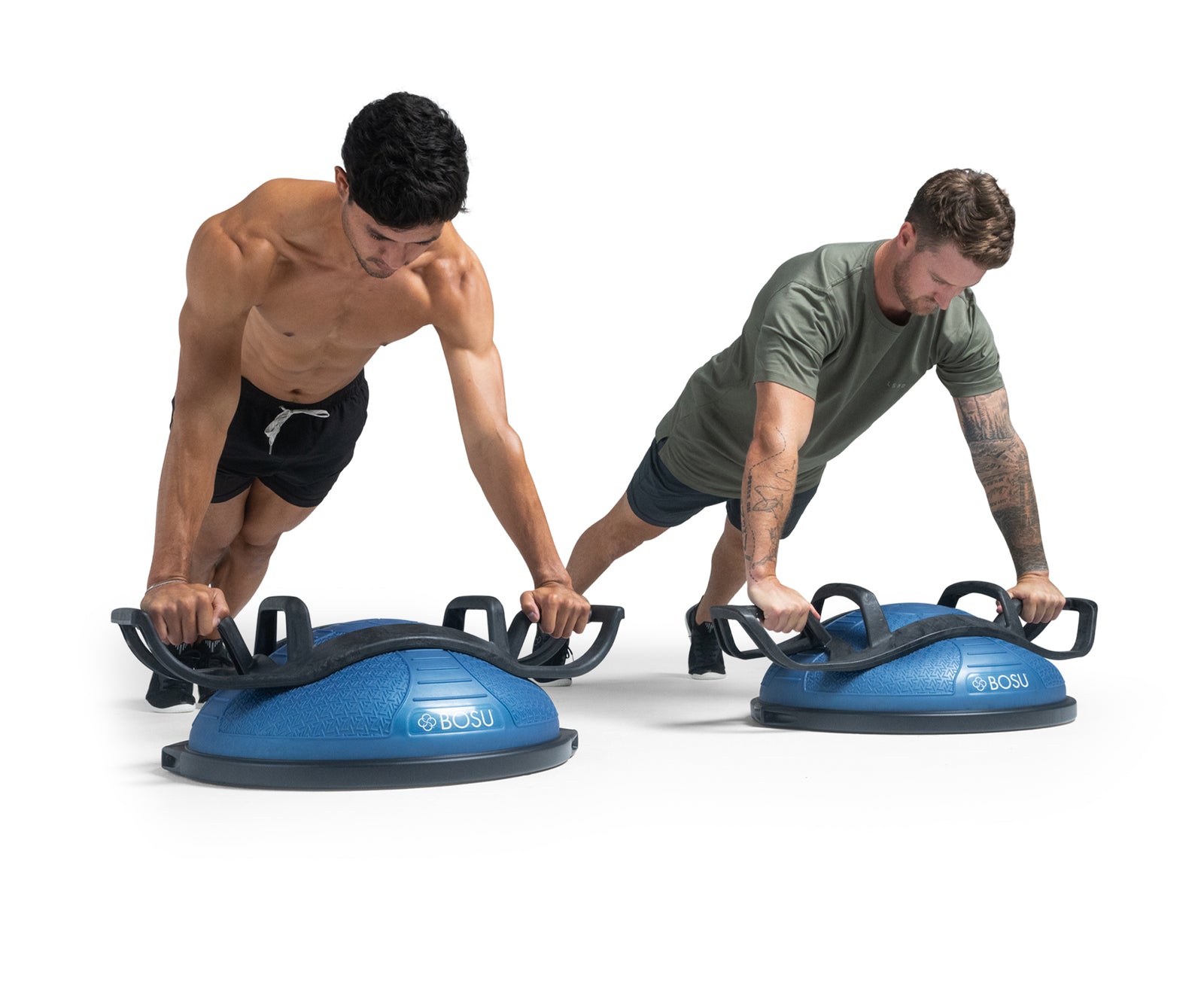
For clients new to balance training, fun tools such as half-cut foam rollers, full foam rollers, balance boards, BTs, stability balls (or BBs), vewdoo boards, Sissel balance disks and Airex pads can be used. Balance can be trained on these items by simply lifting one leg, and challenging the client's center of gravity with arm and leg shifts, shoulder taps and ball tracking exercises.
Conclusion
Balance training can make a client's program fun and physically rewarding. Get out there on a BT, stability ball (or BB), or even a single leg to train the brain and body to be well-balanced!
About the Authors:
Brian Justin has a Masters degree in Human Kinetics and is a Kinesiology lab instructor at the University of the Fraser Valley. Brian is also a certified strength and conditioning specialist and performance enhancement specialist in Vancouver. British Columbia, Canada.
Gregory S Anderson has a PhD in Applied Physiology and is a professor in Kinesiology and Physical Education at the University of the Fraser Valley. Greg has worked with several national and professional teams in the capacity of an exercise physiologist, and with occupational groups performing strenuous activity
|