



|
|
Click here to download pdf version |
|
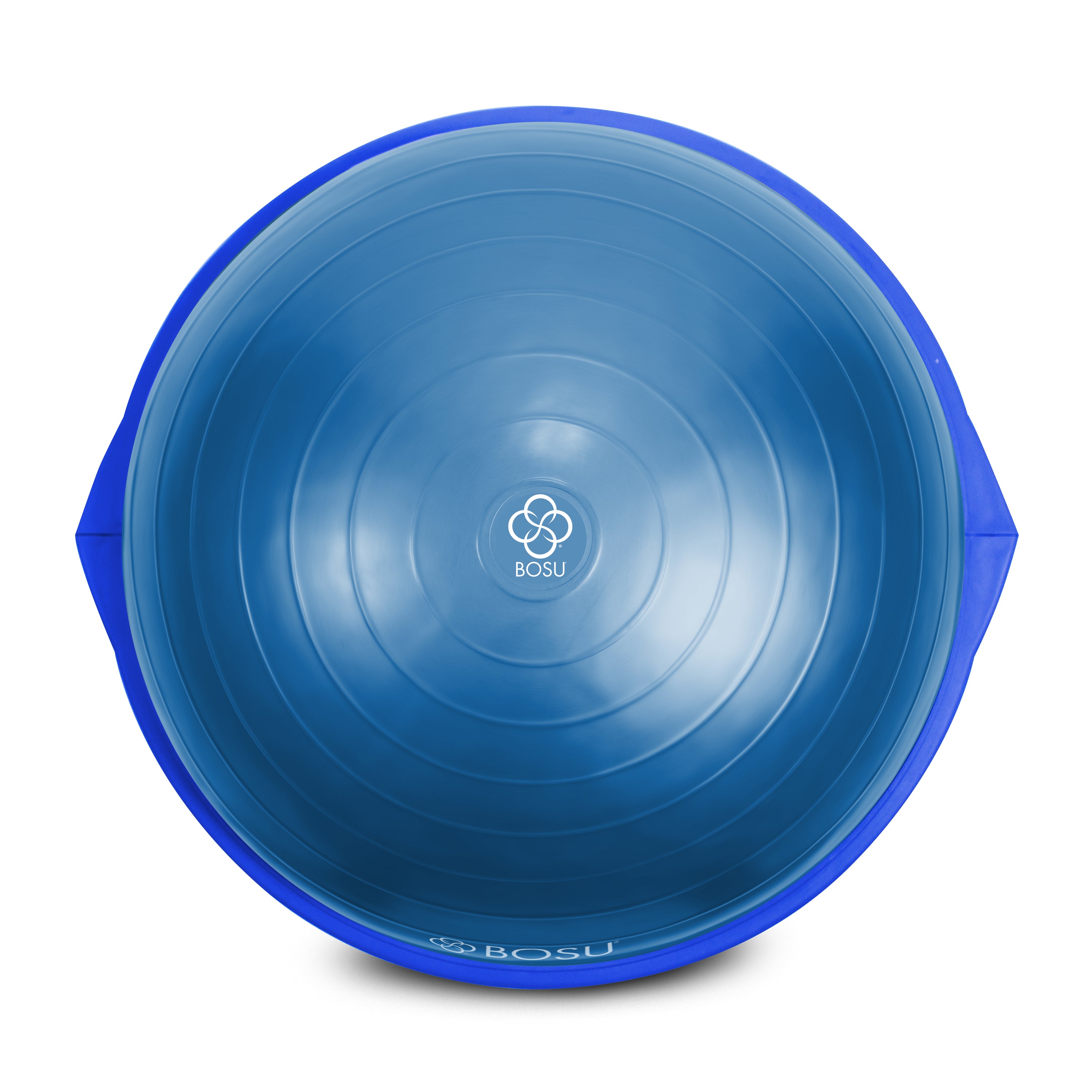
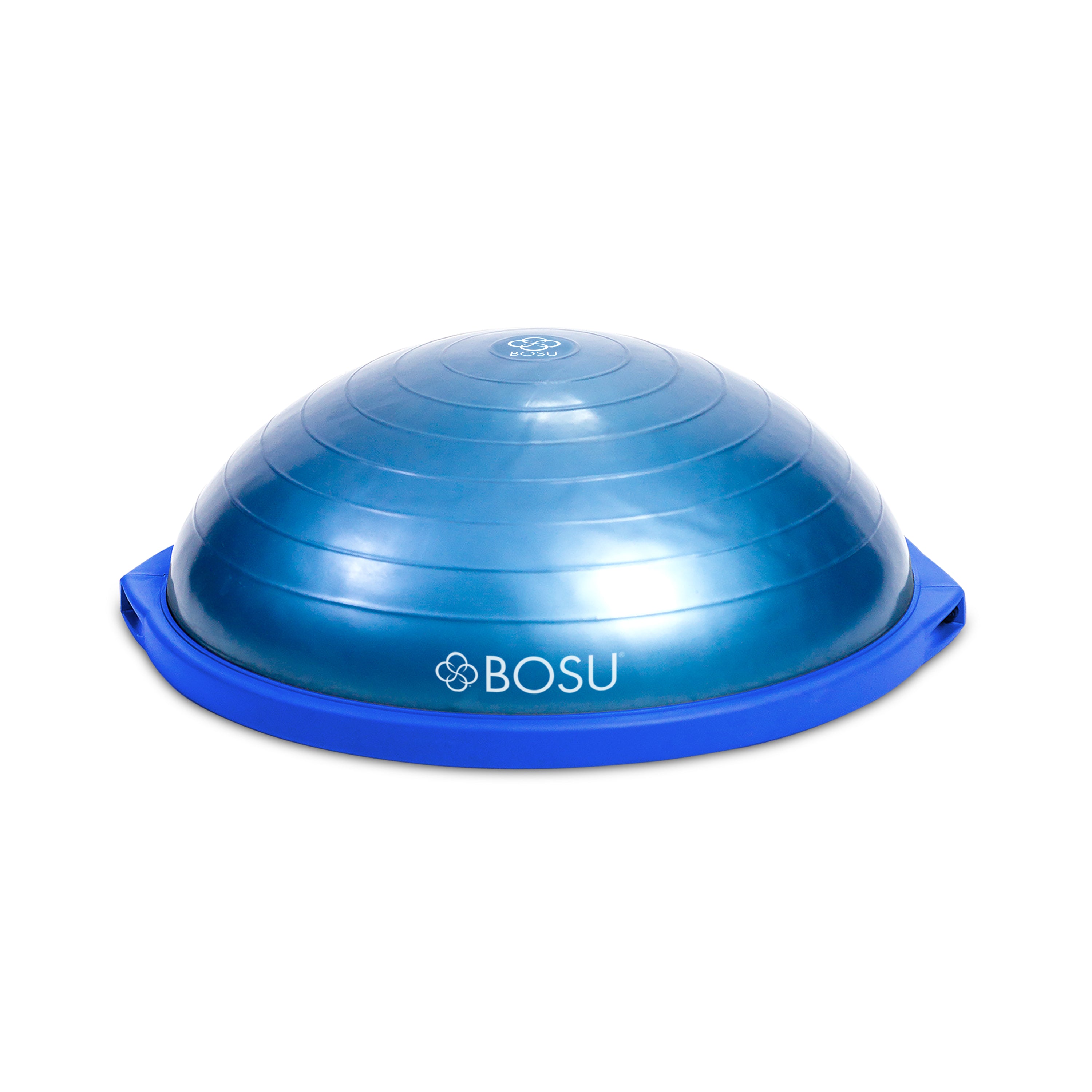
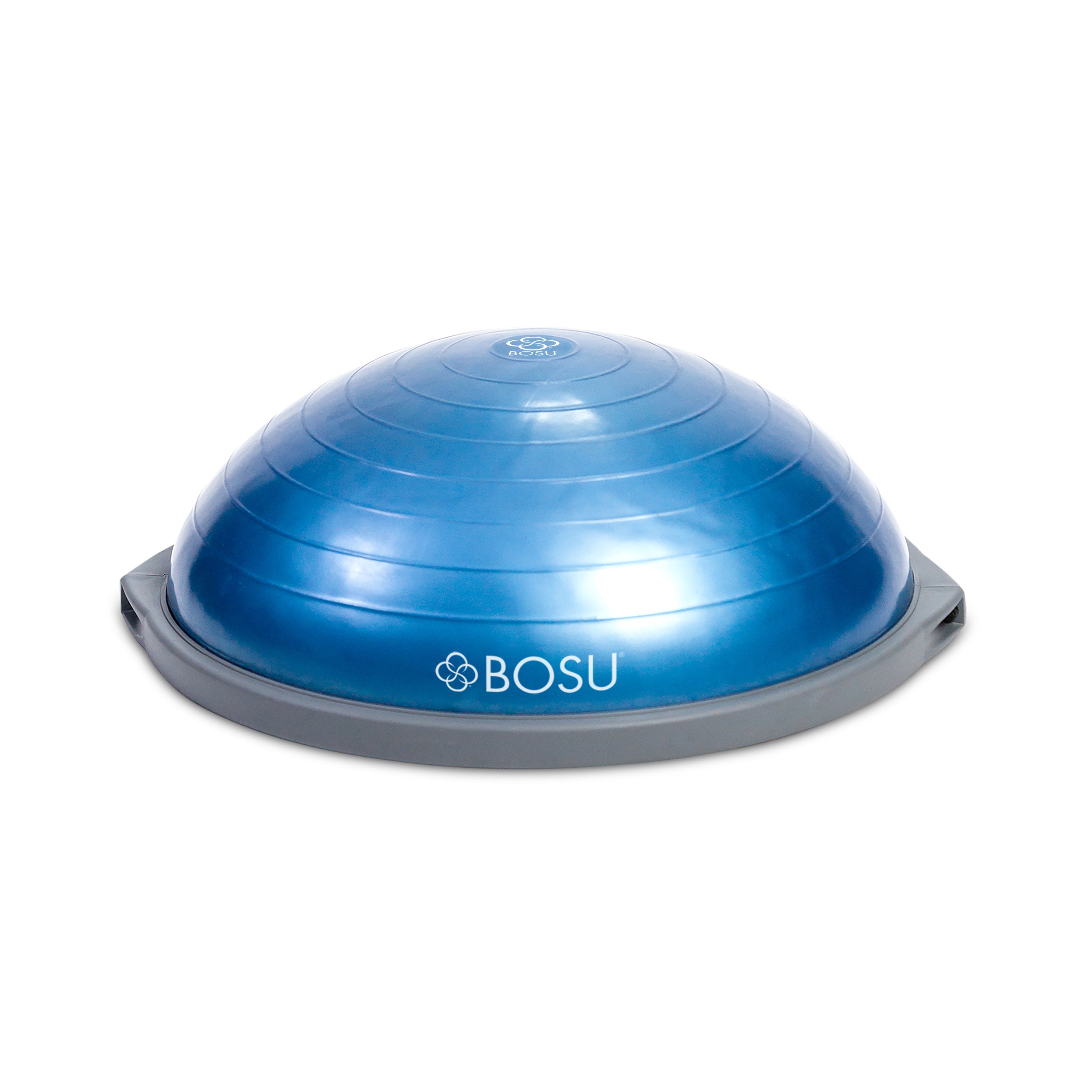
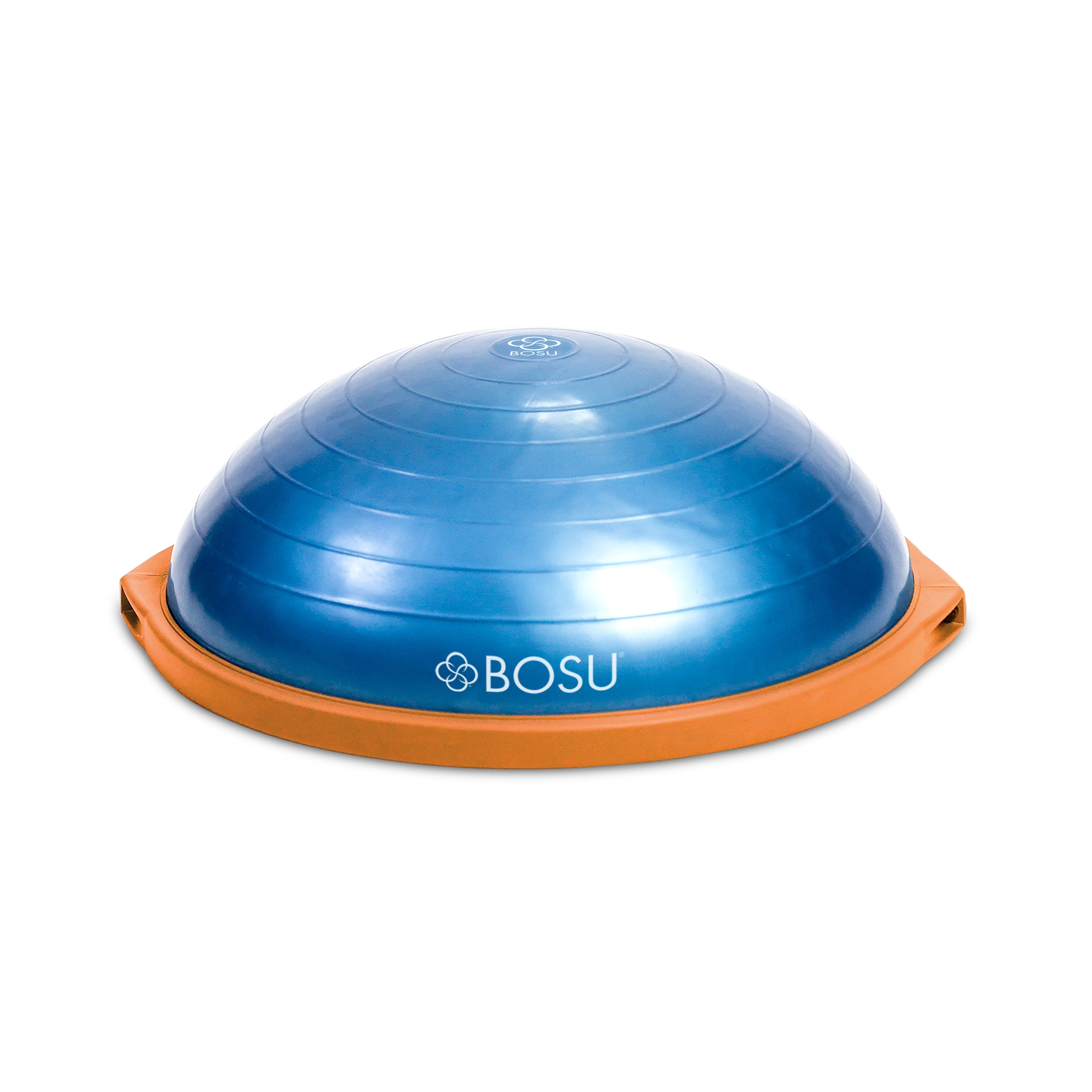
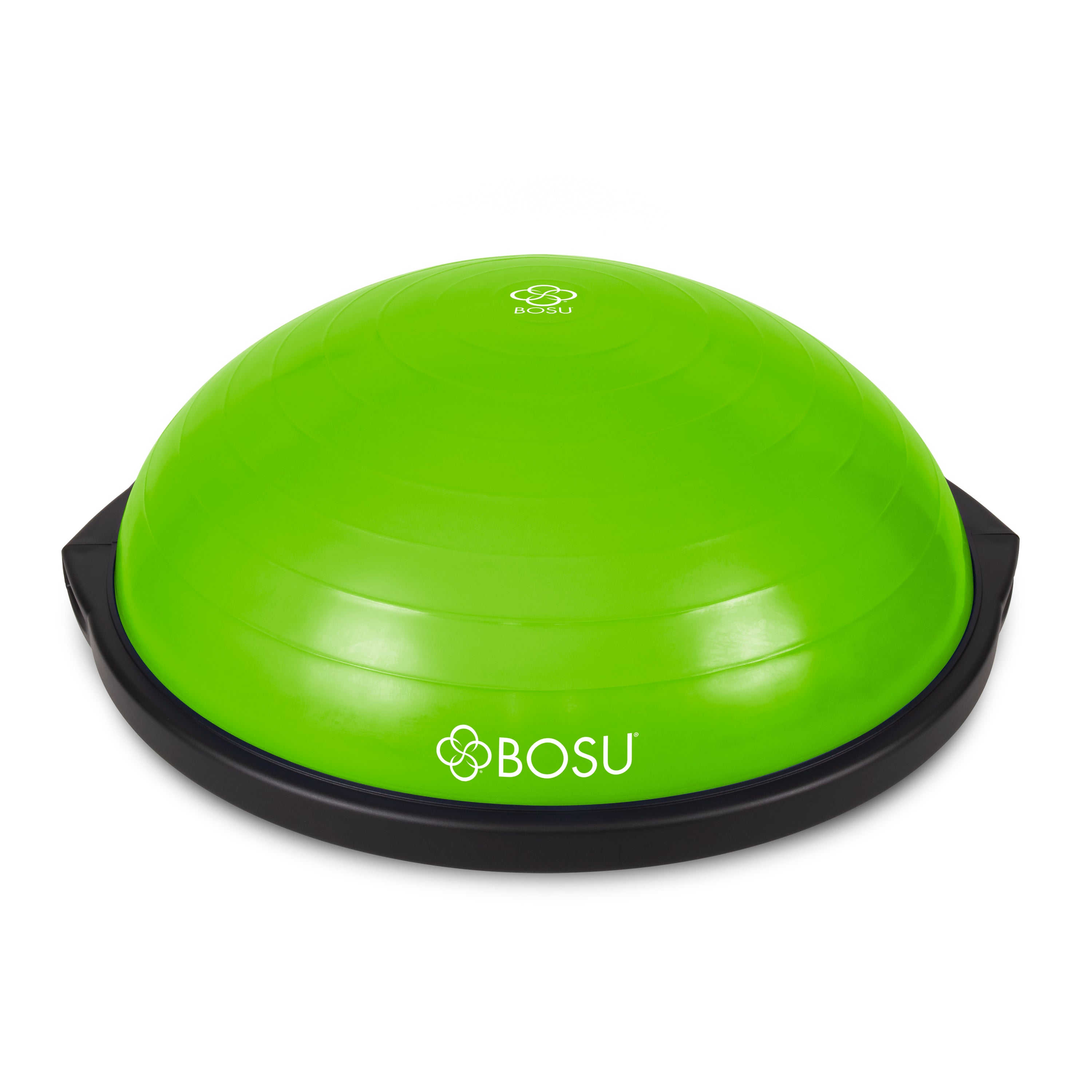
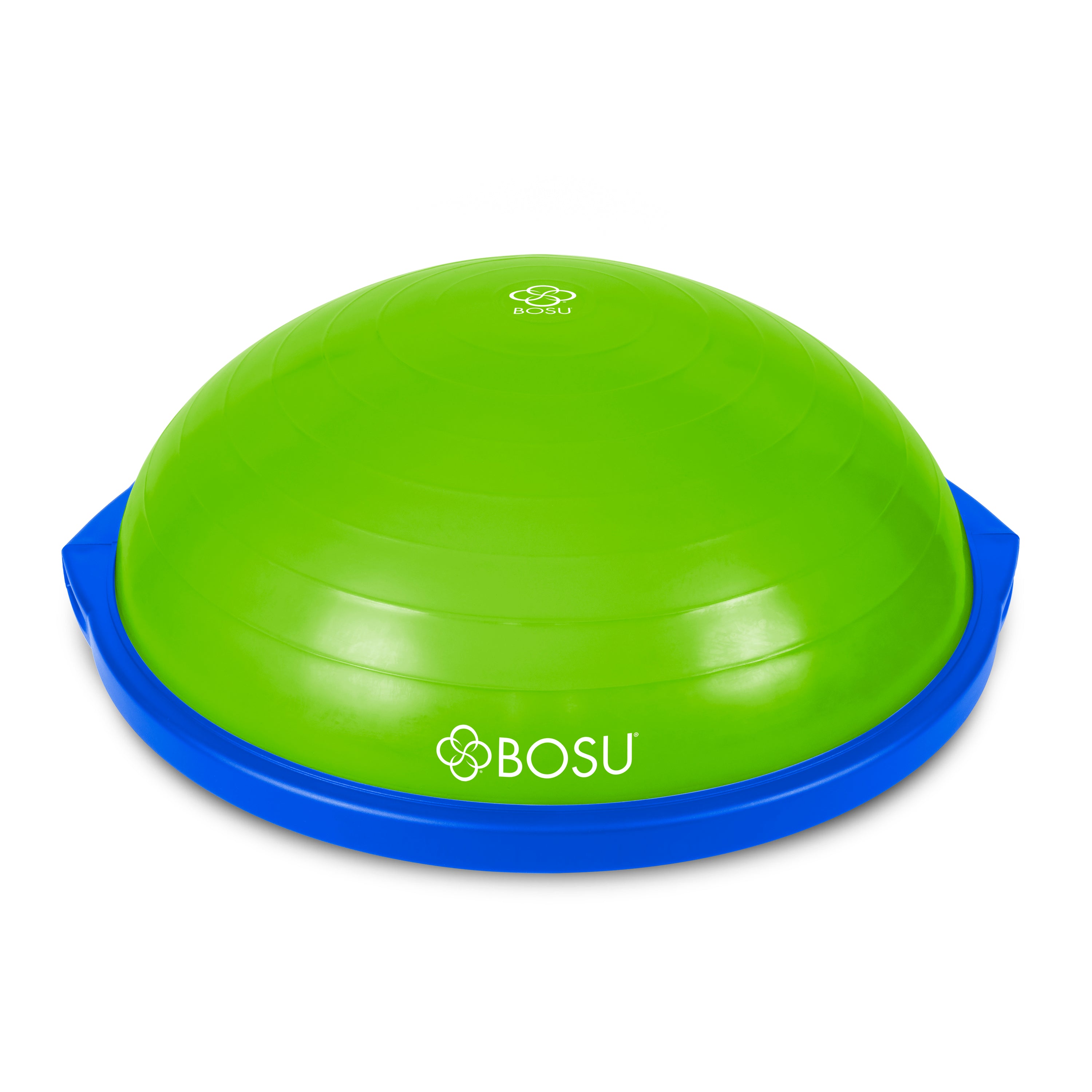
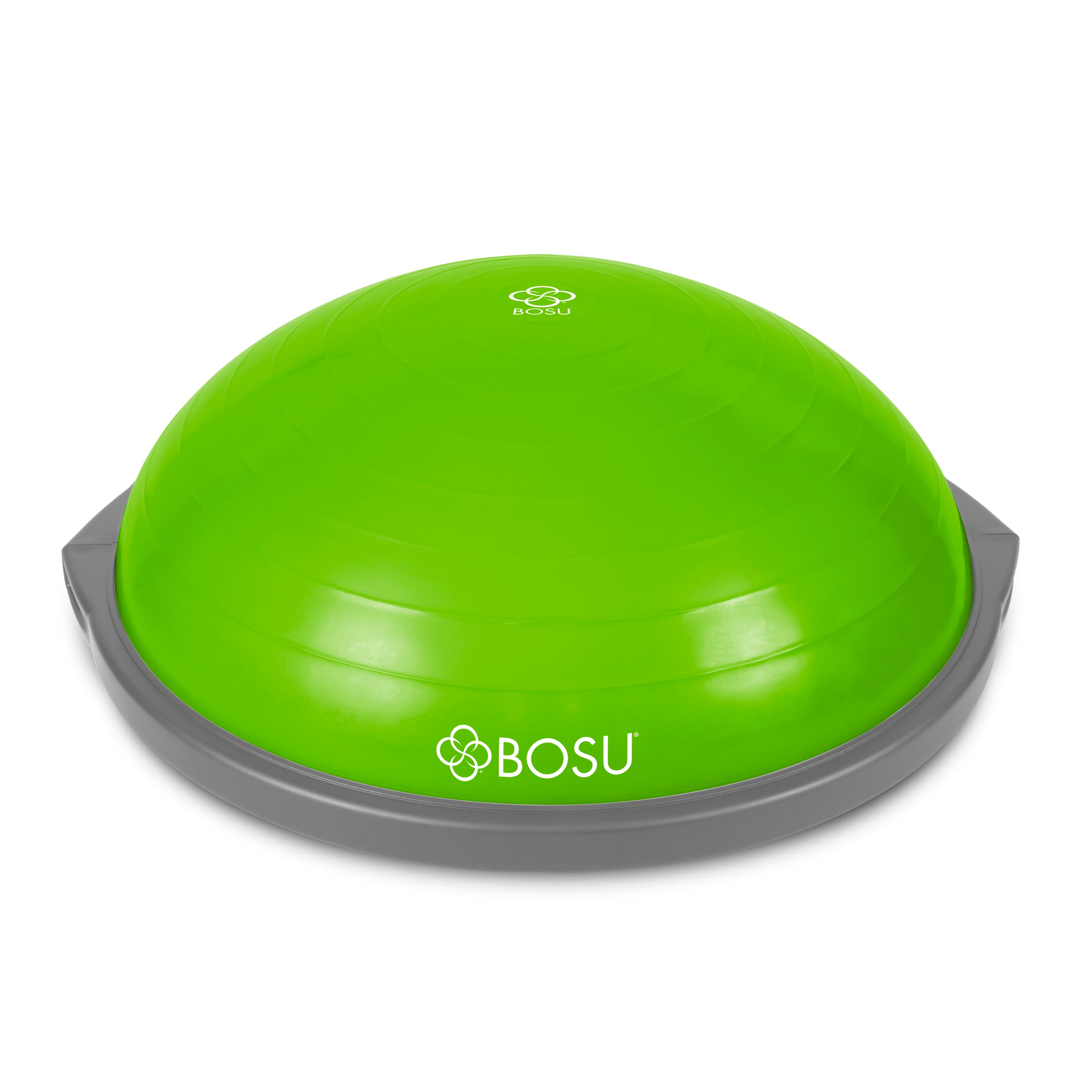
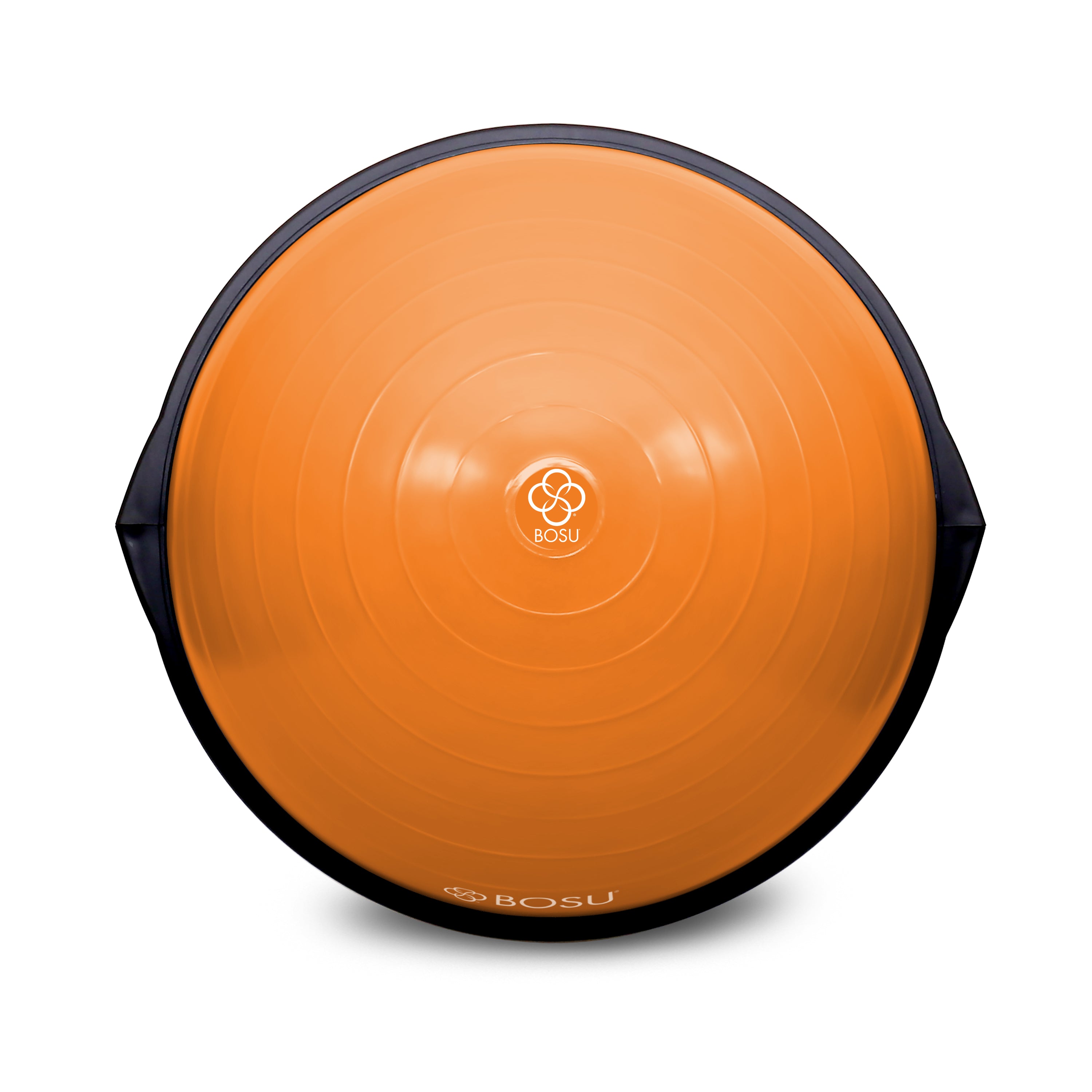
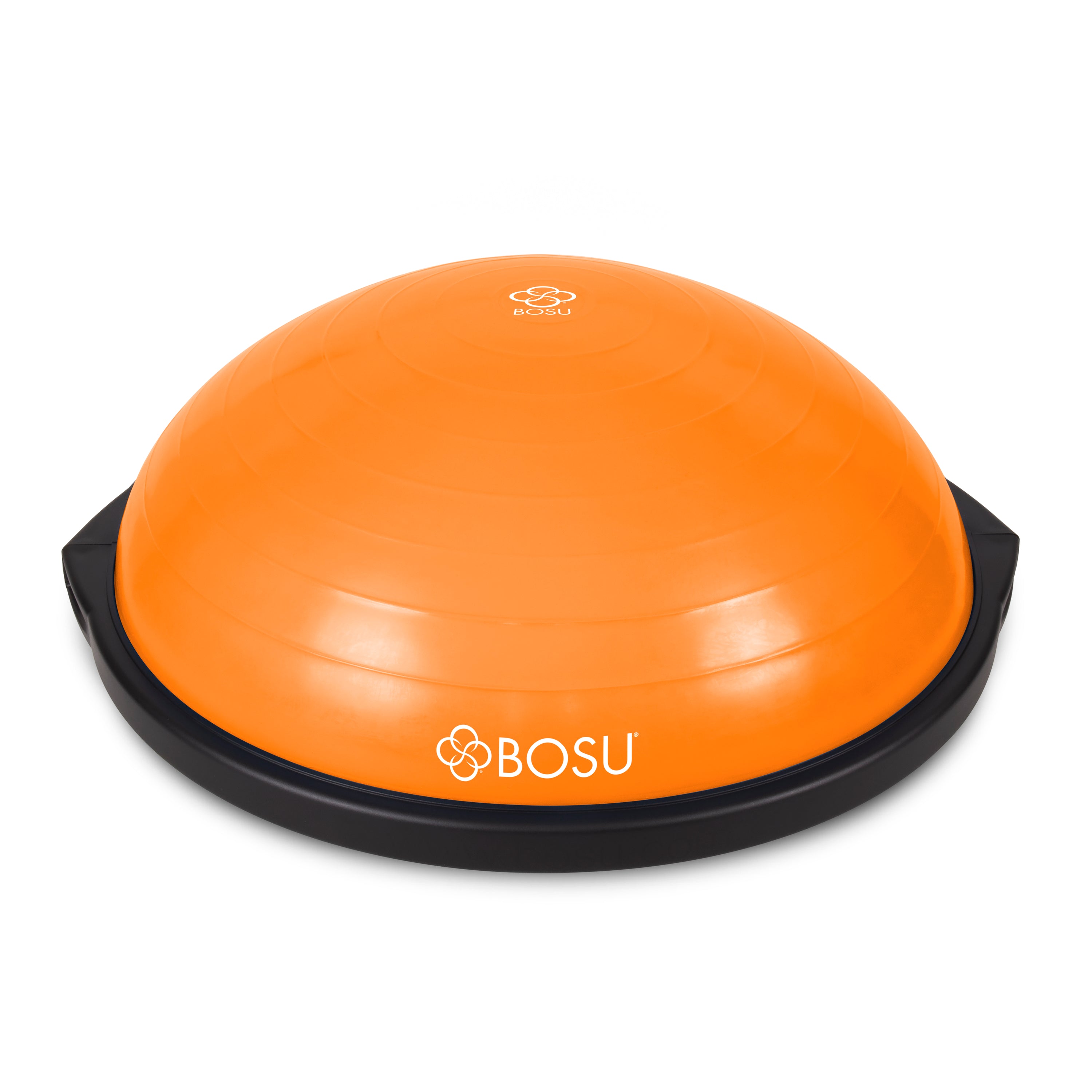
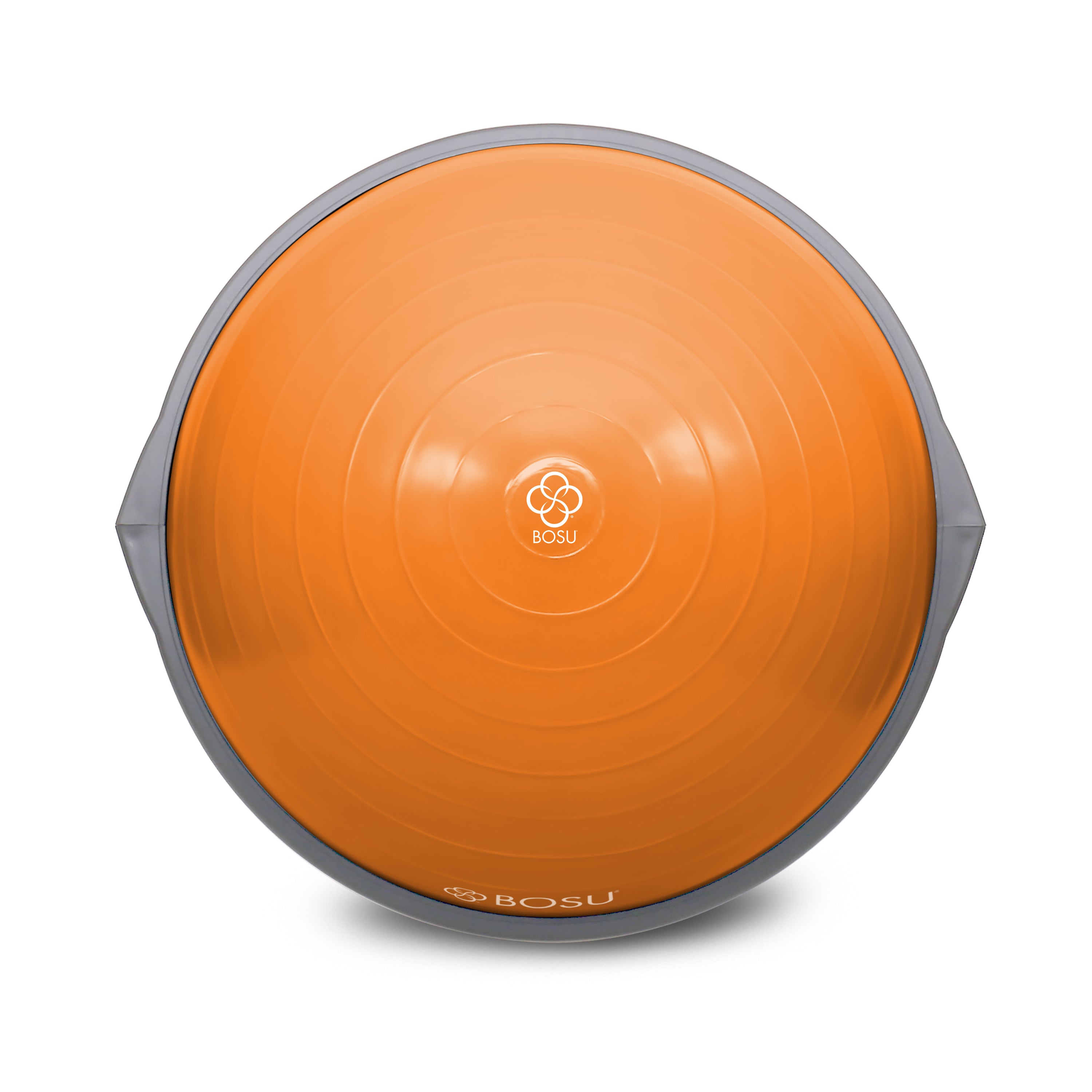
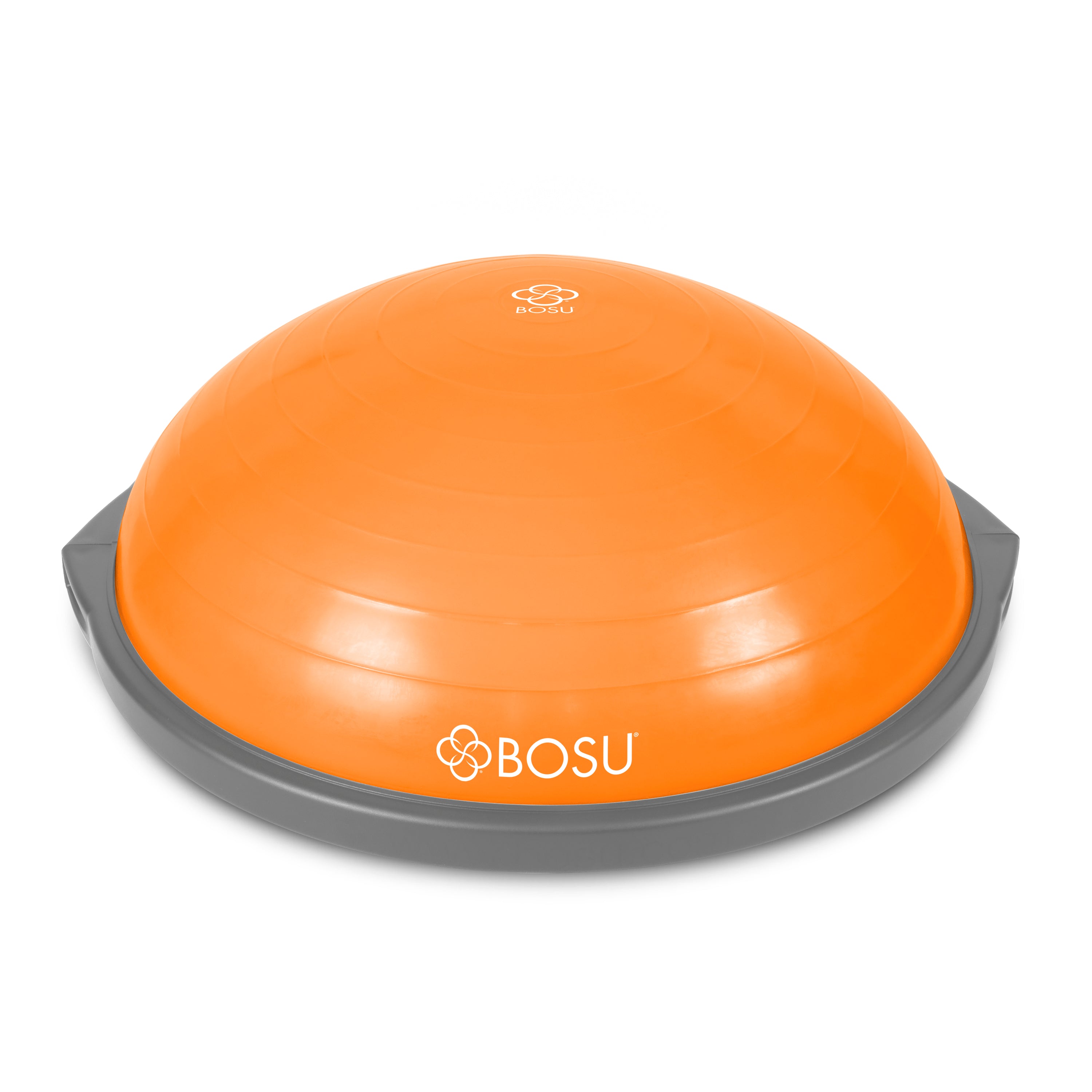
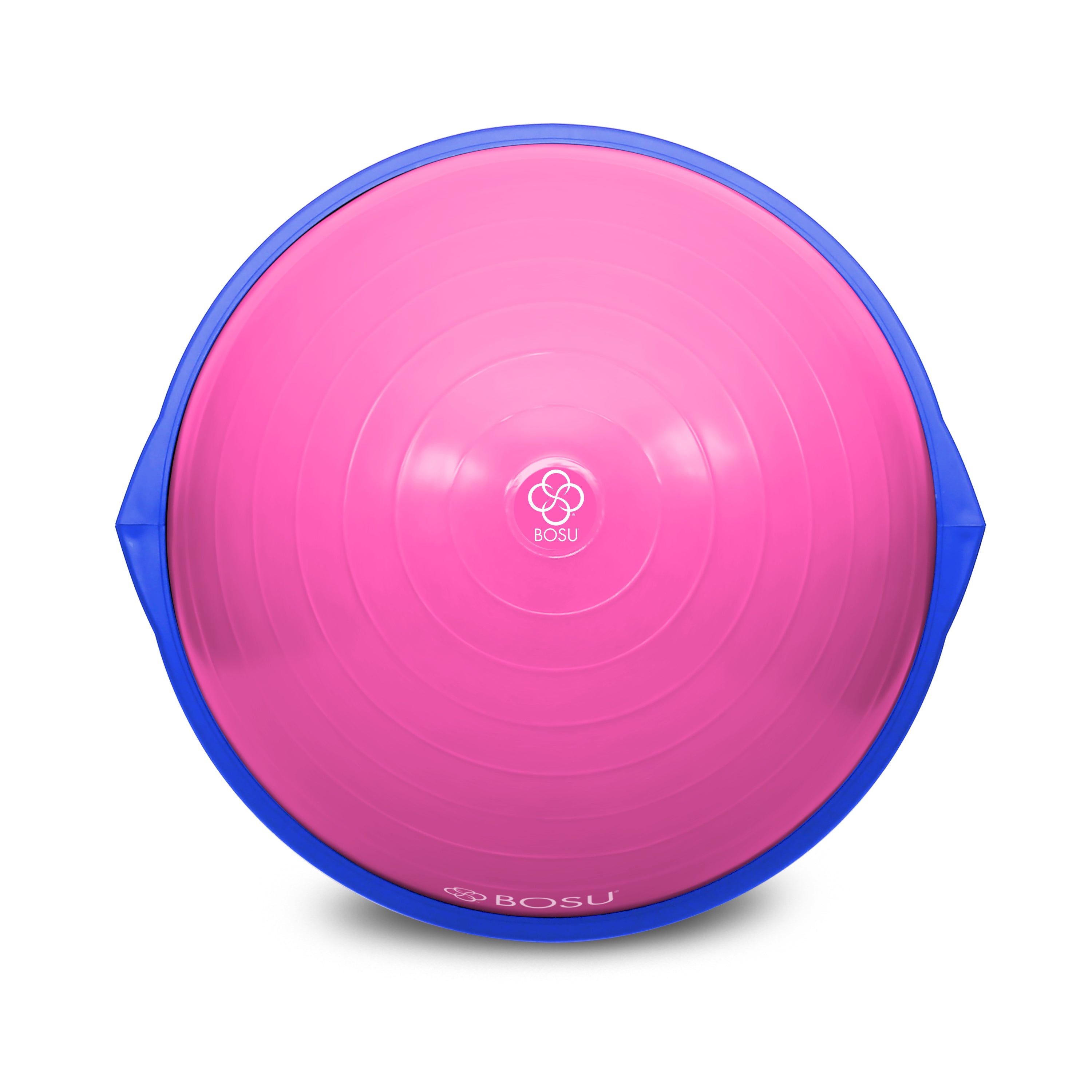
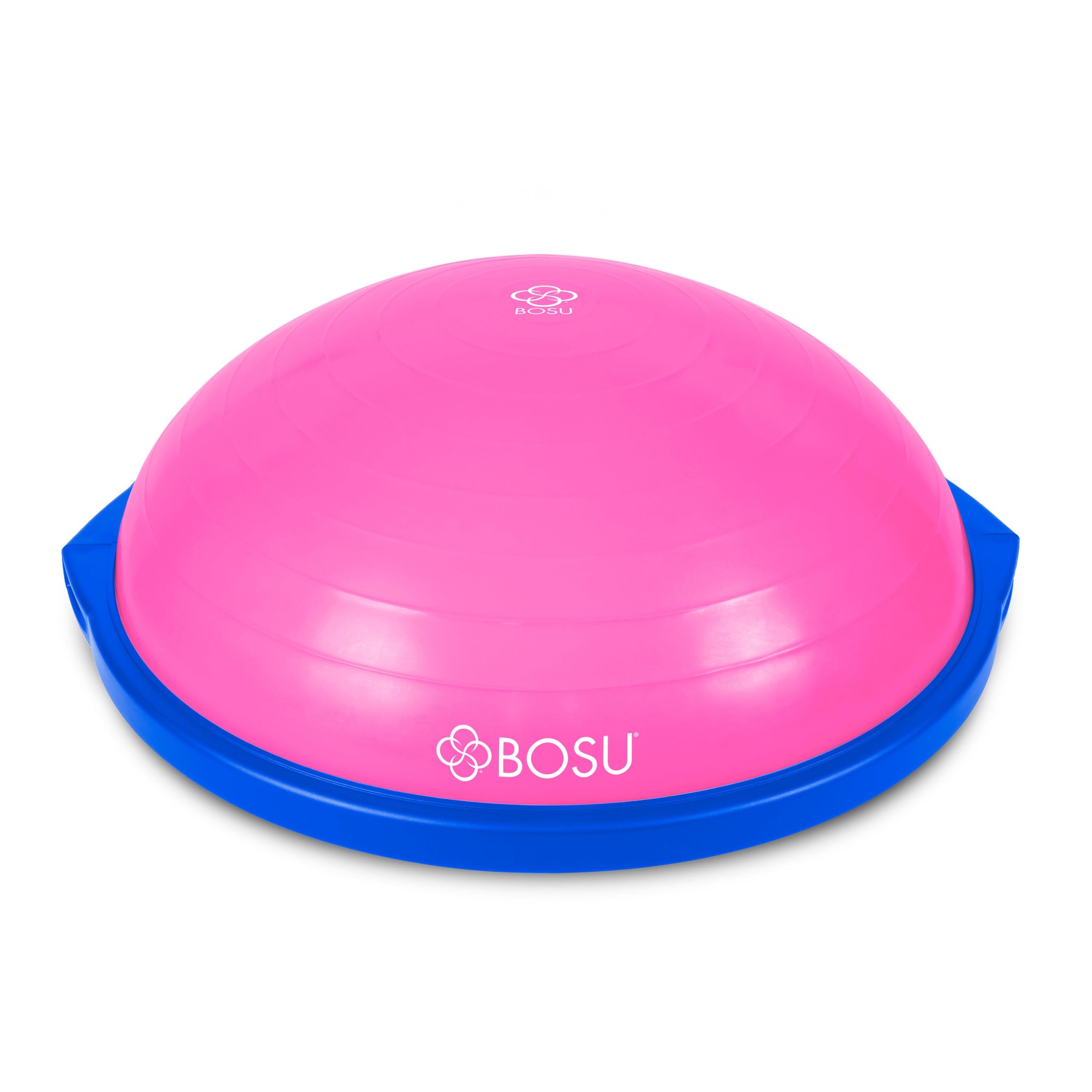
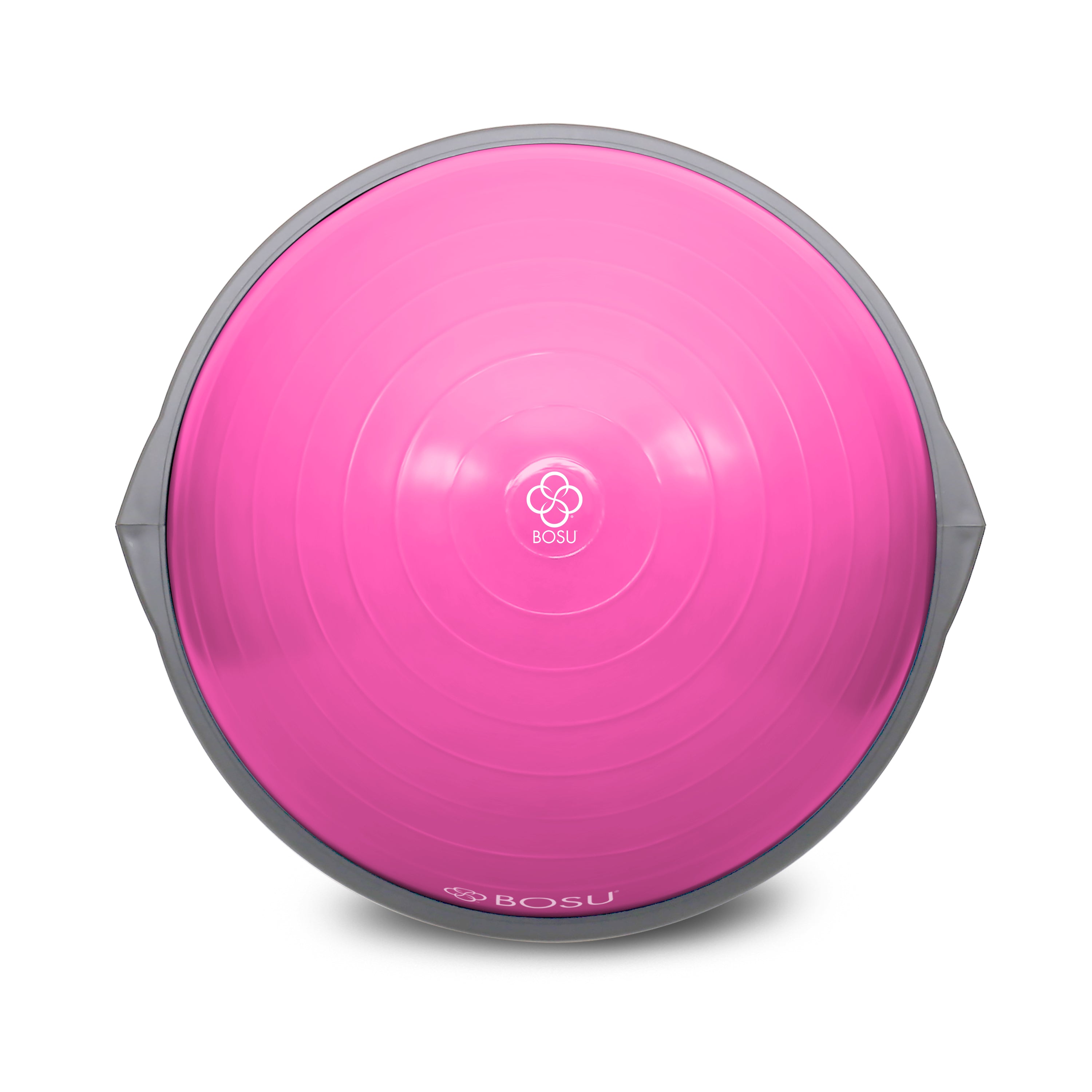
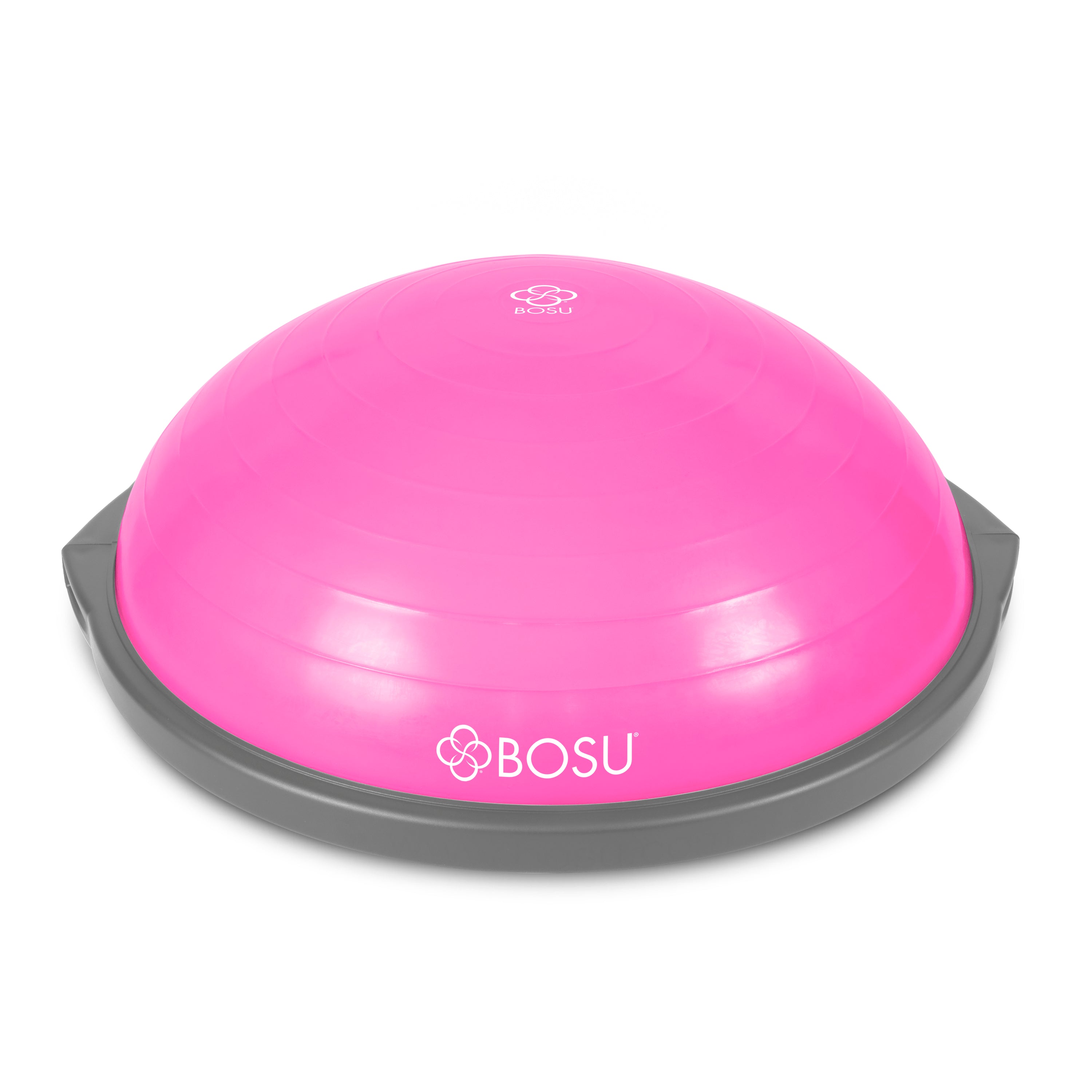
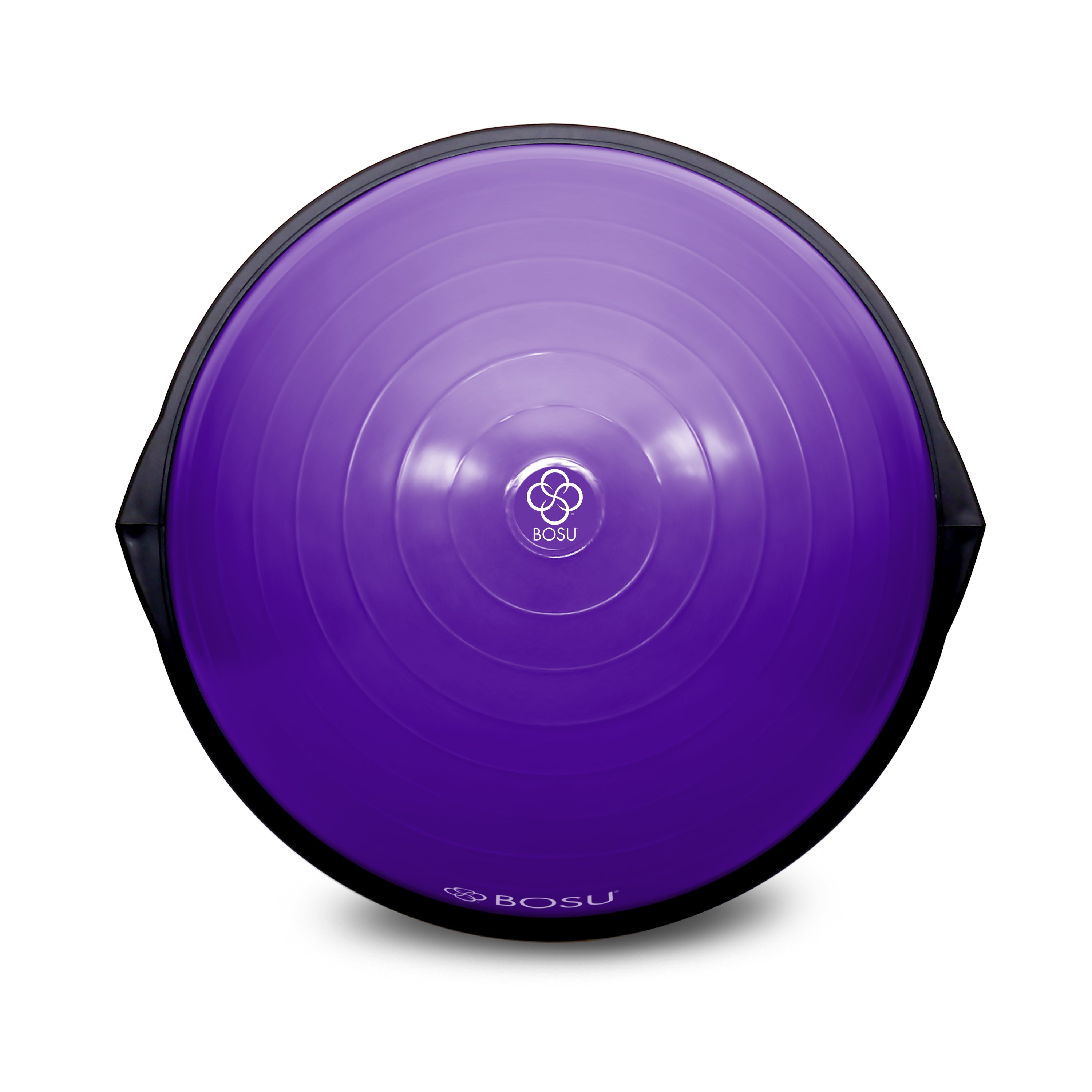
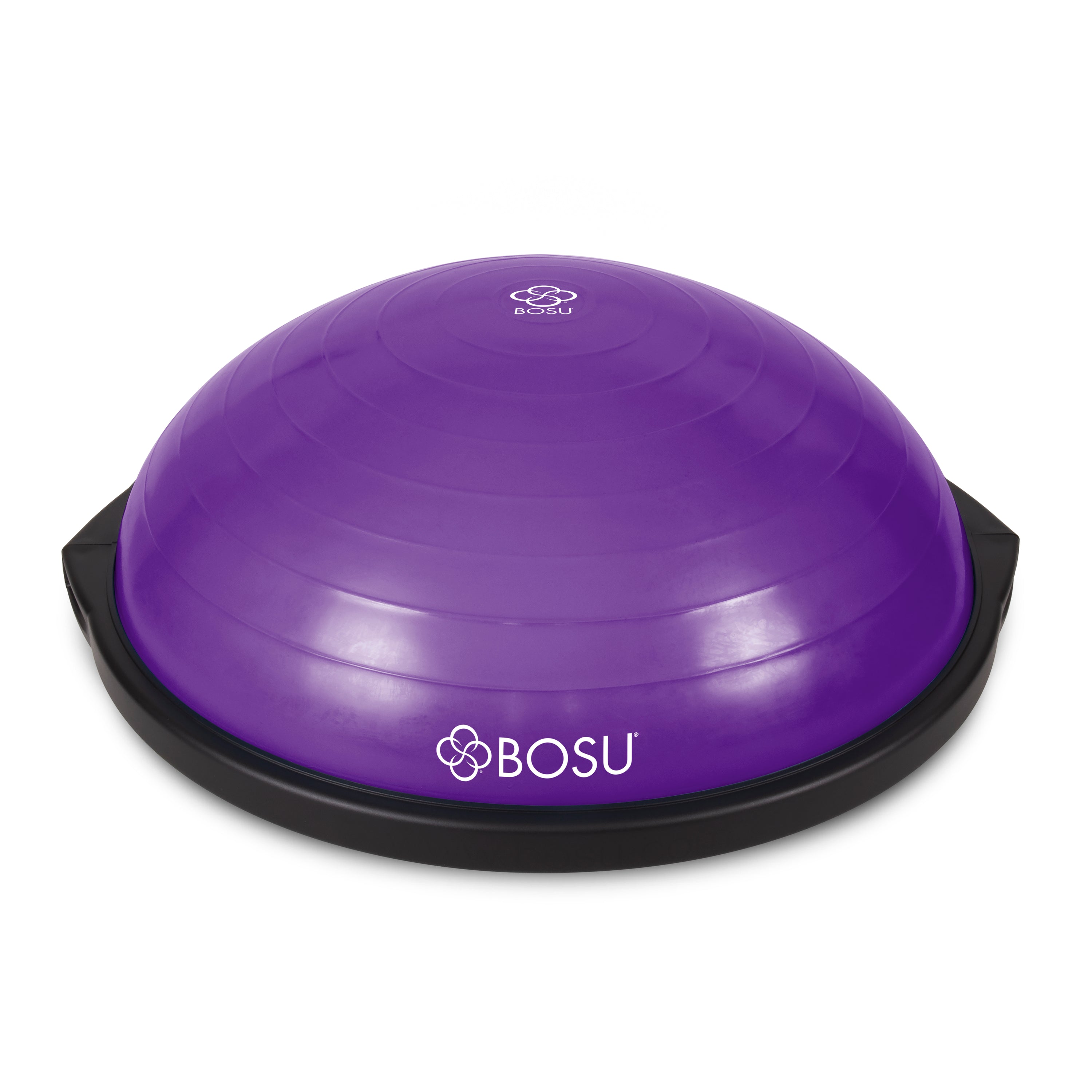
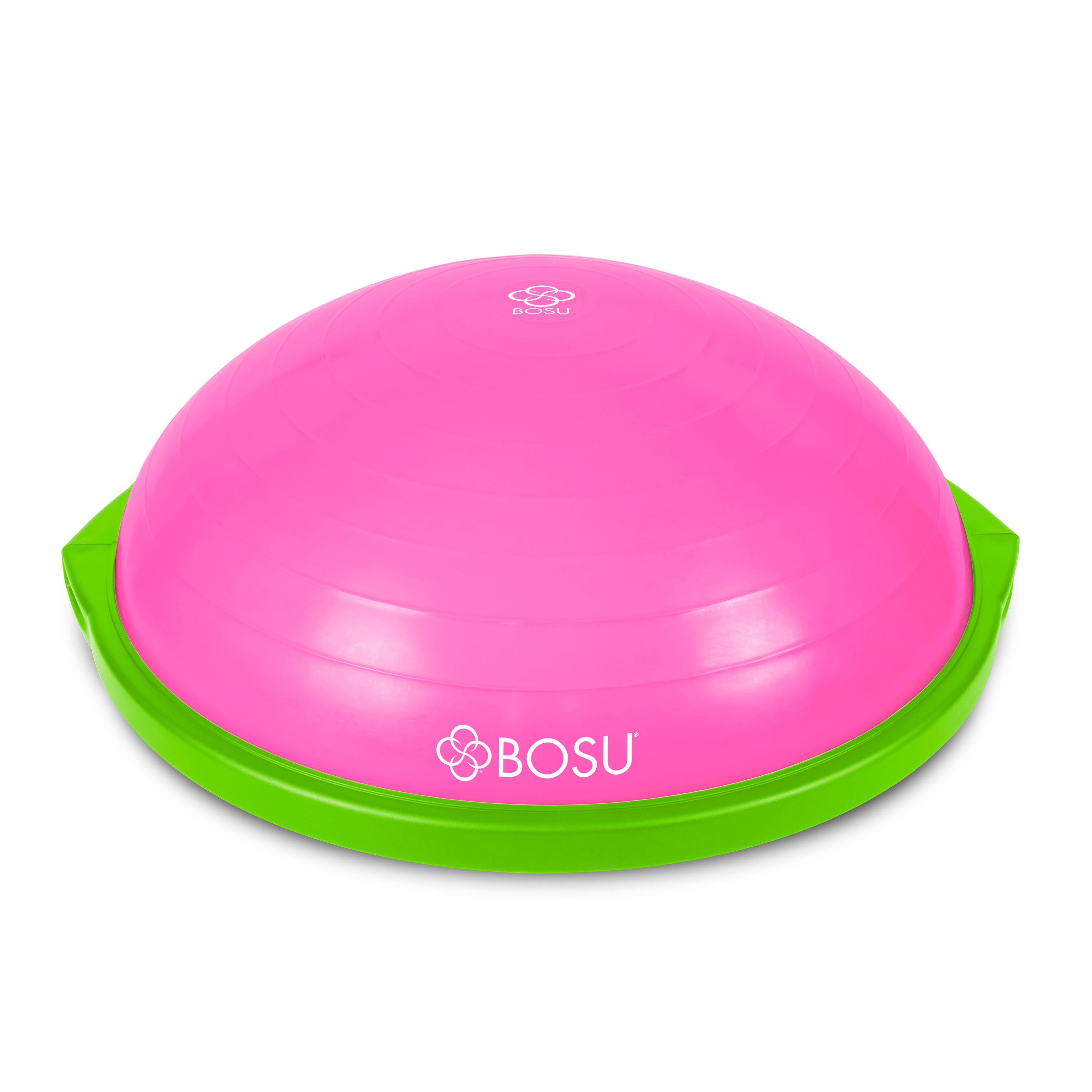
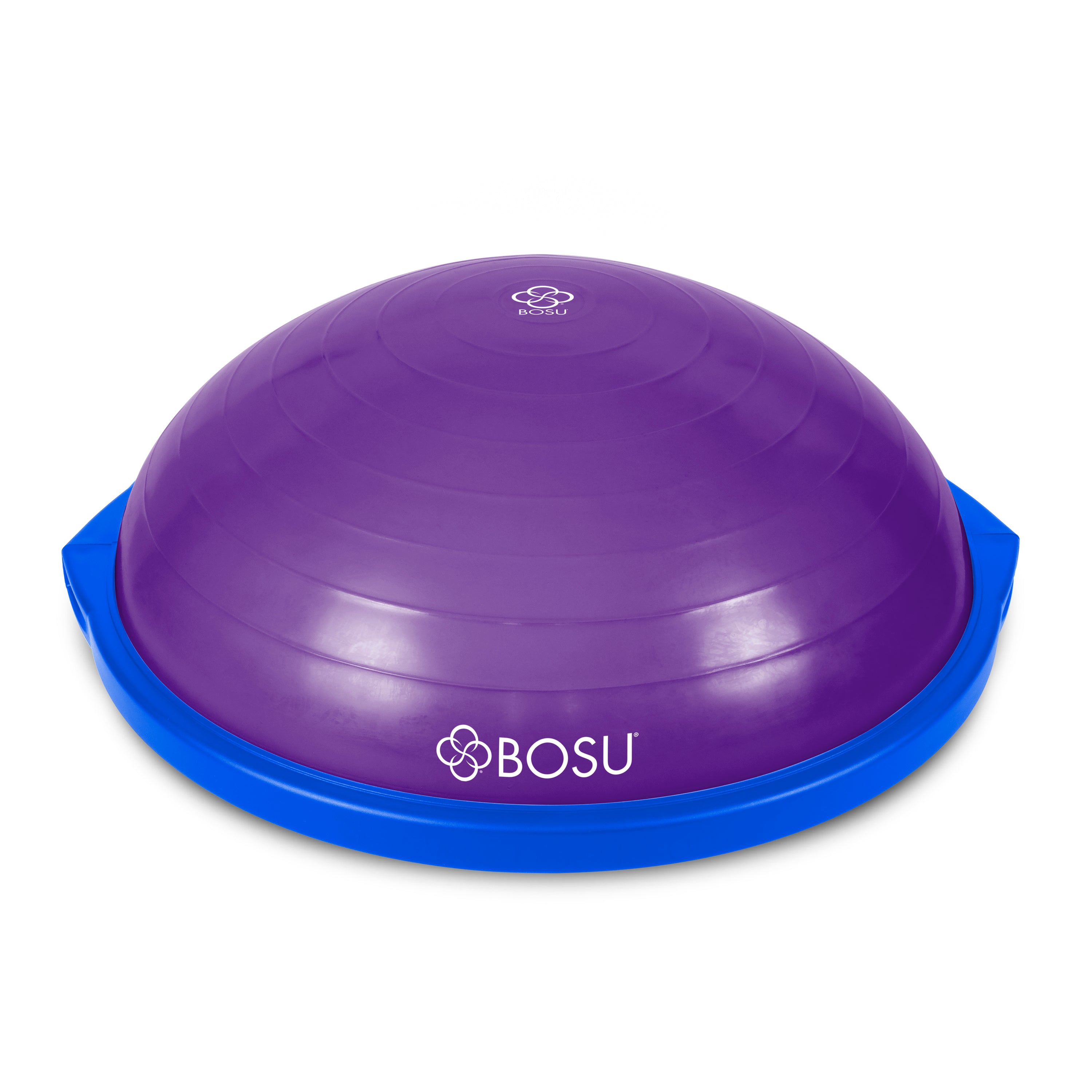
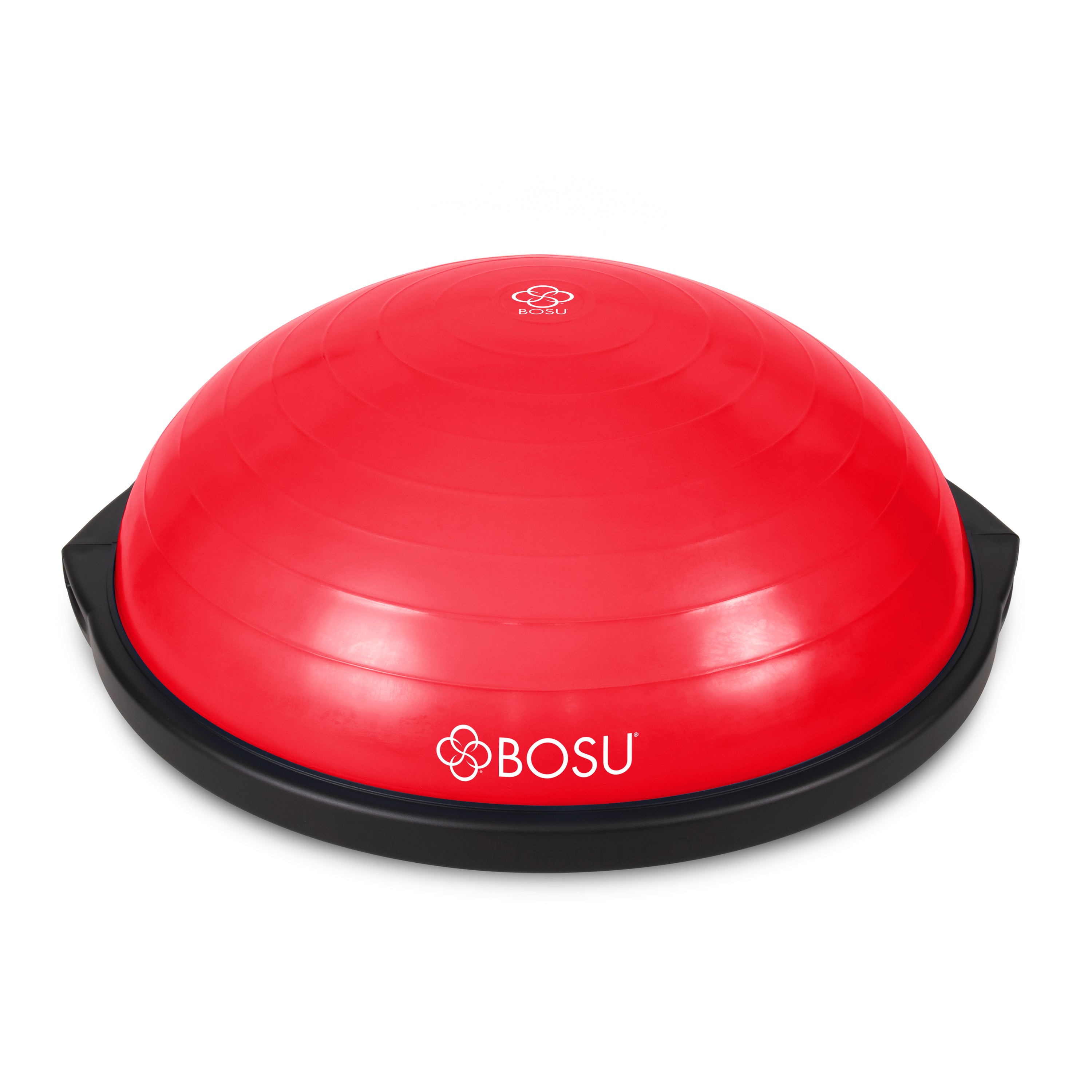
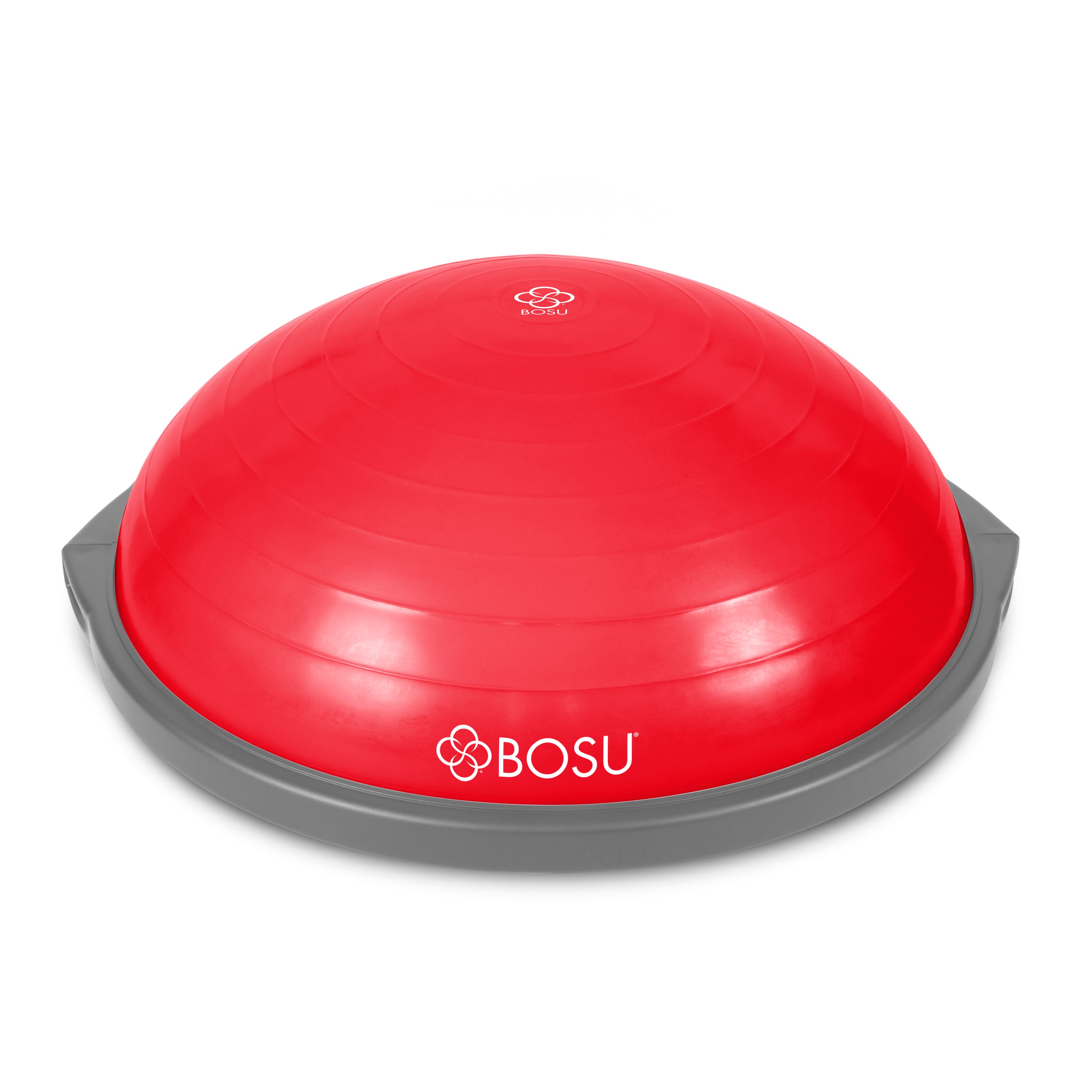
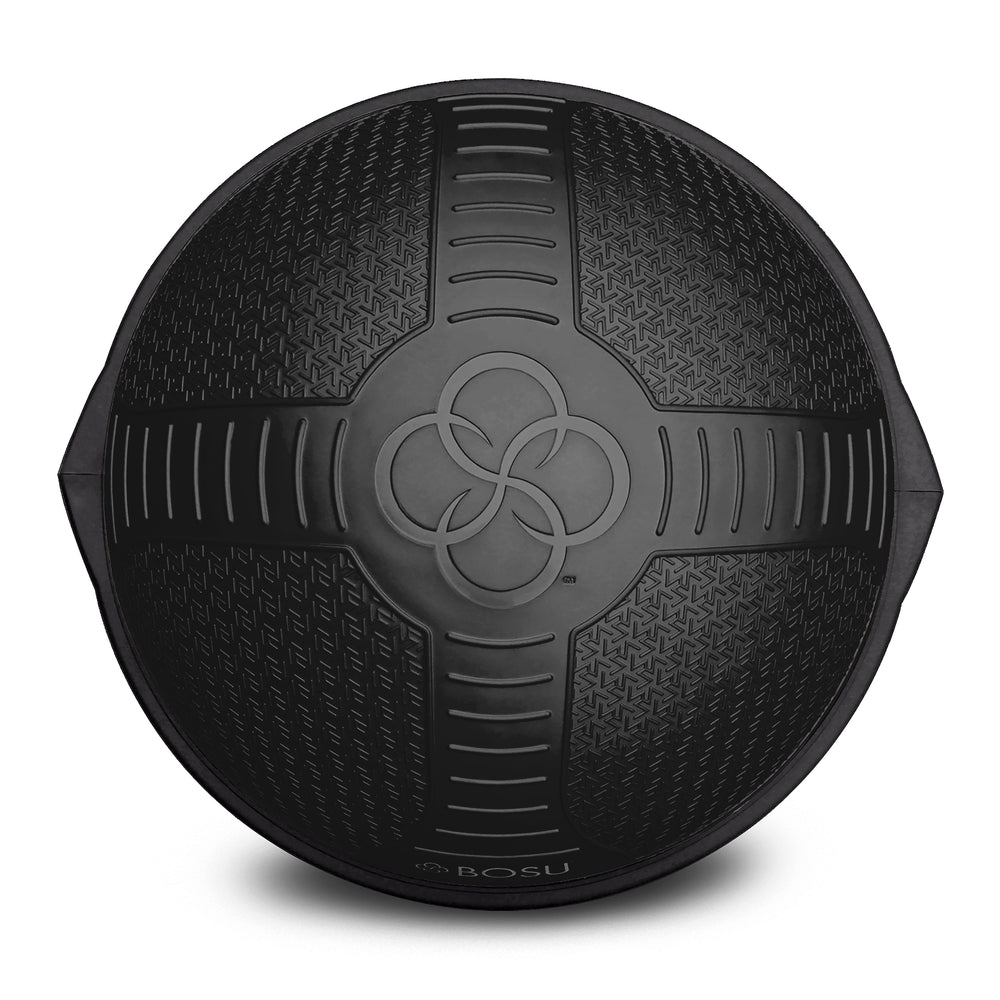
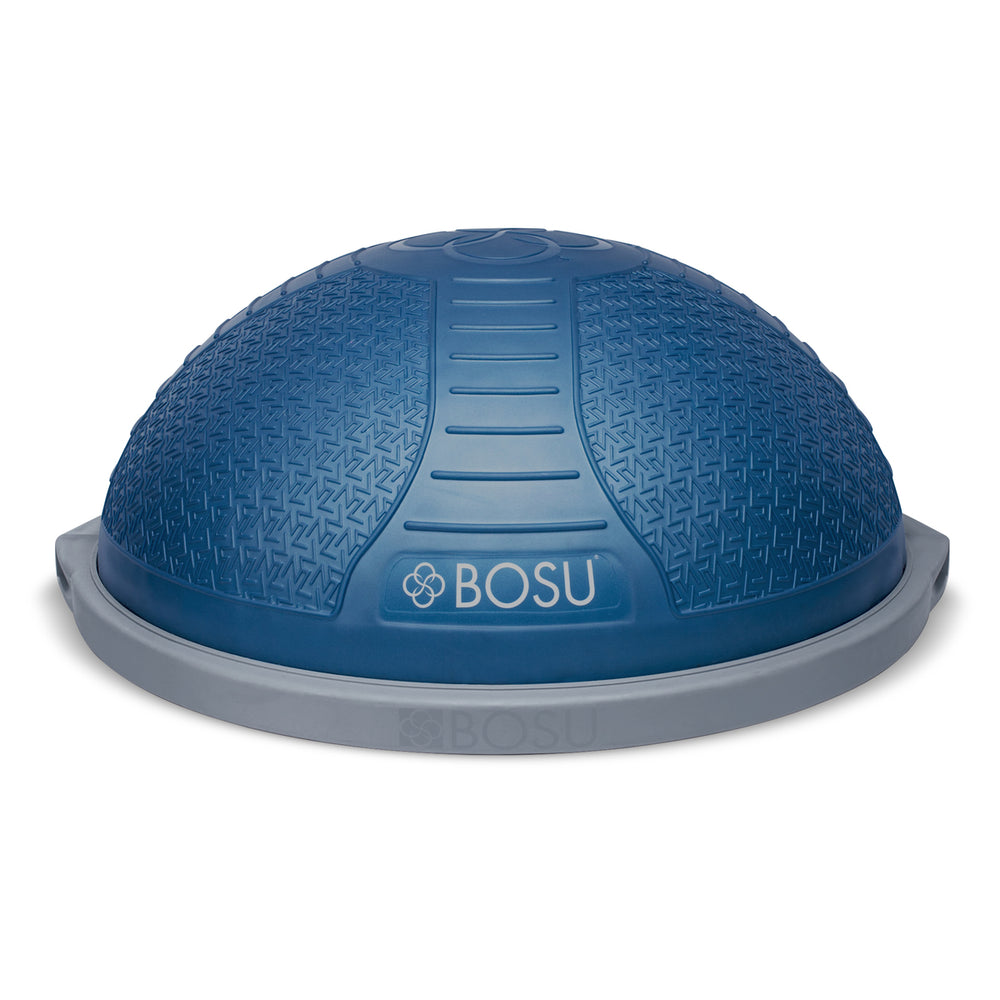
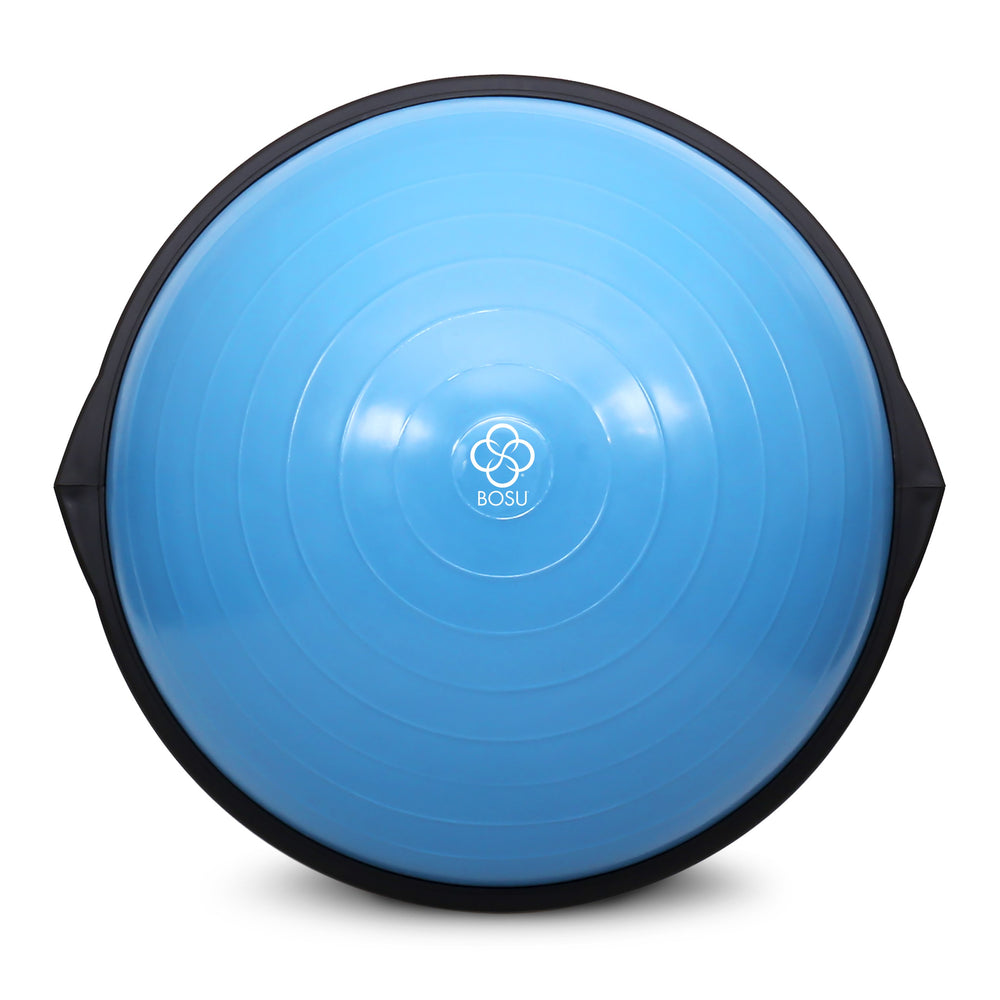
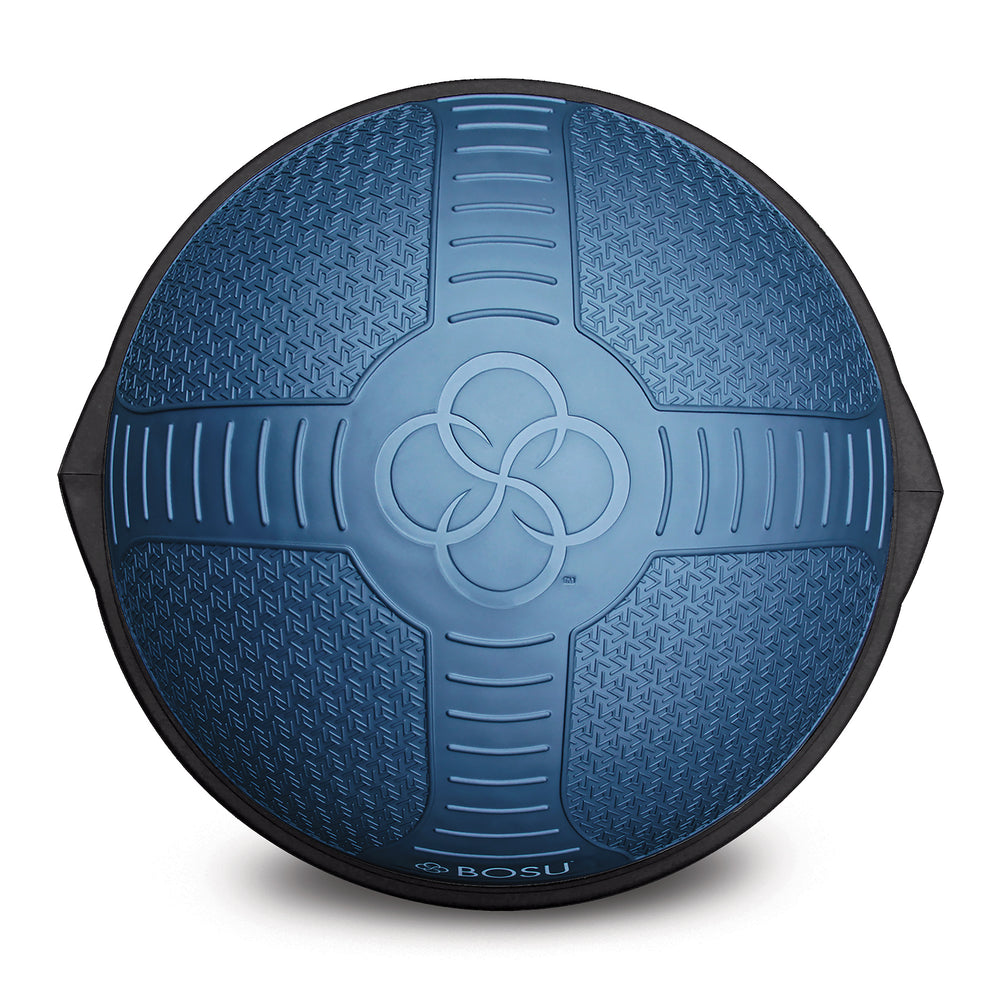
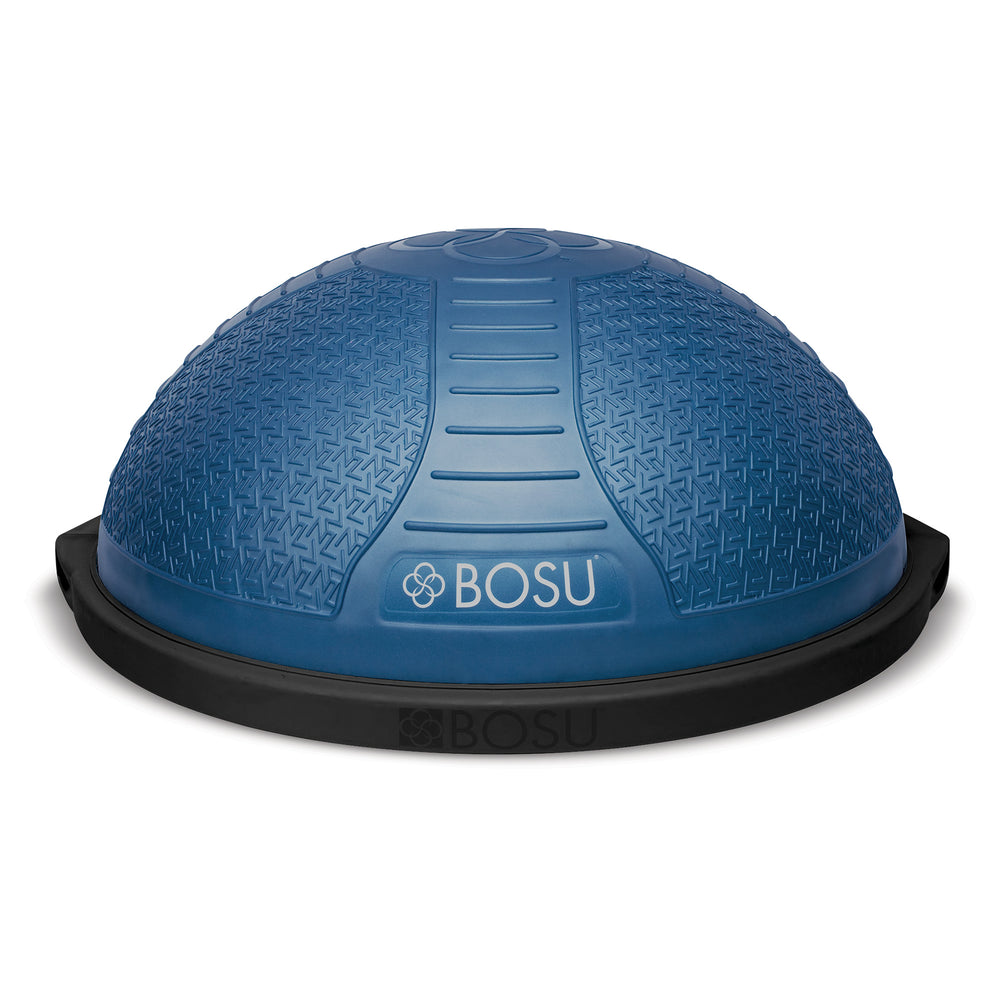
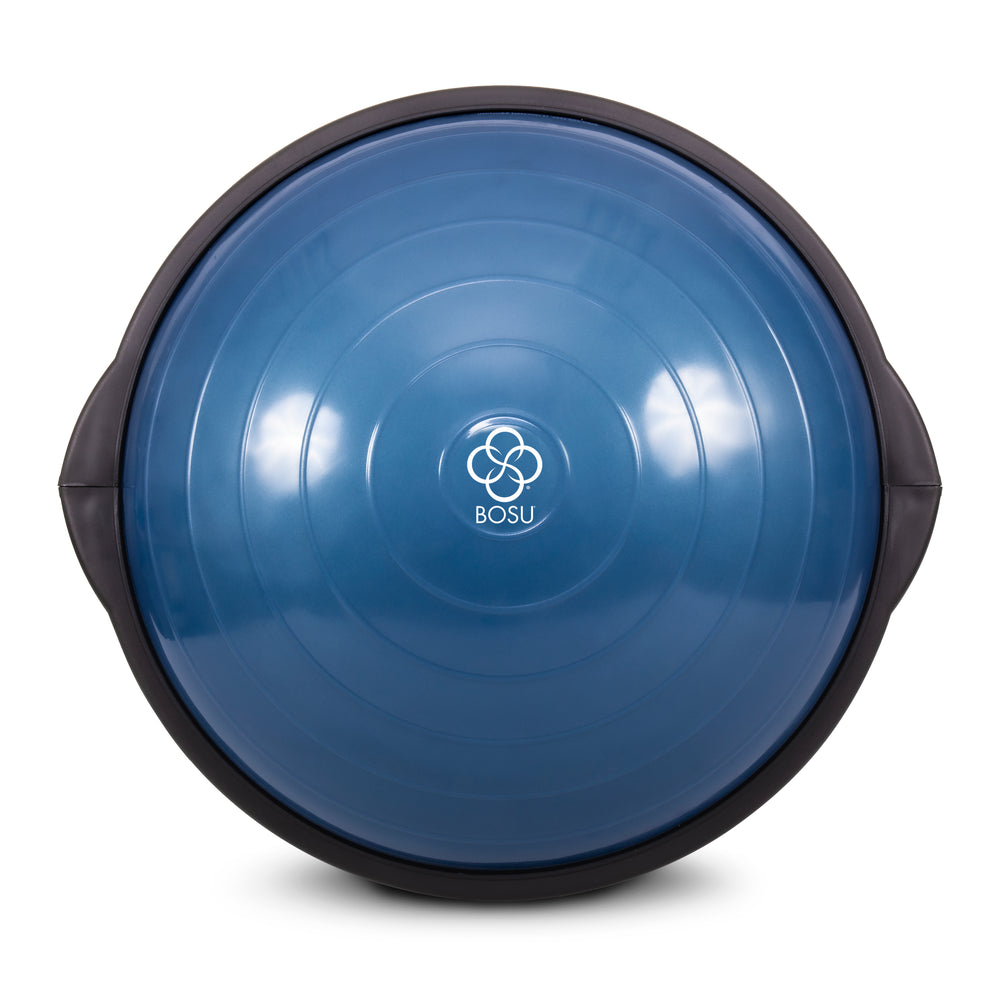
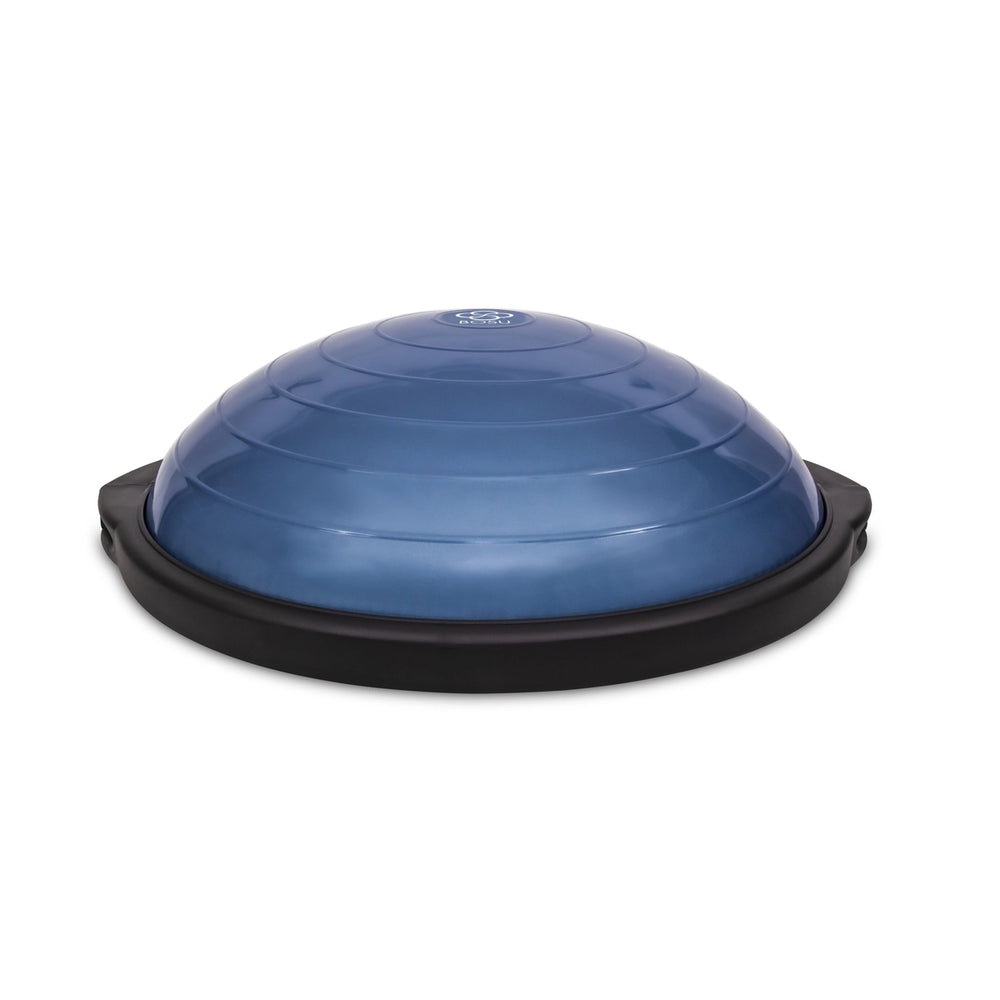
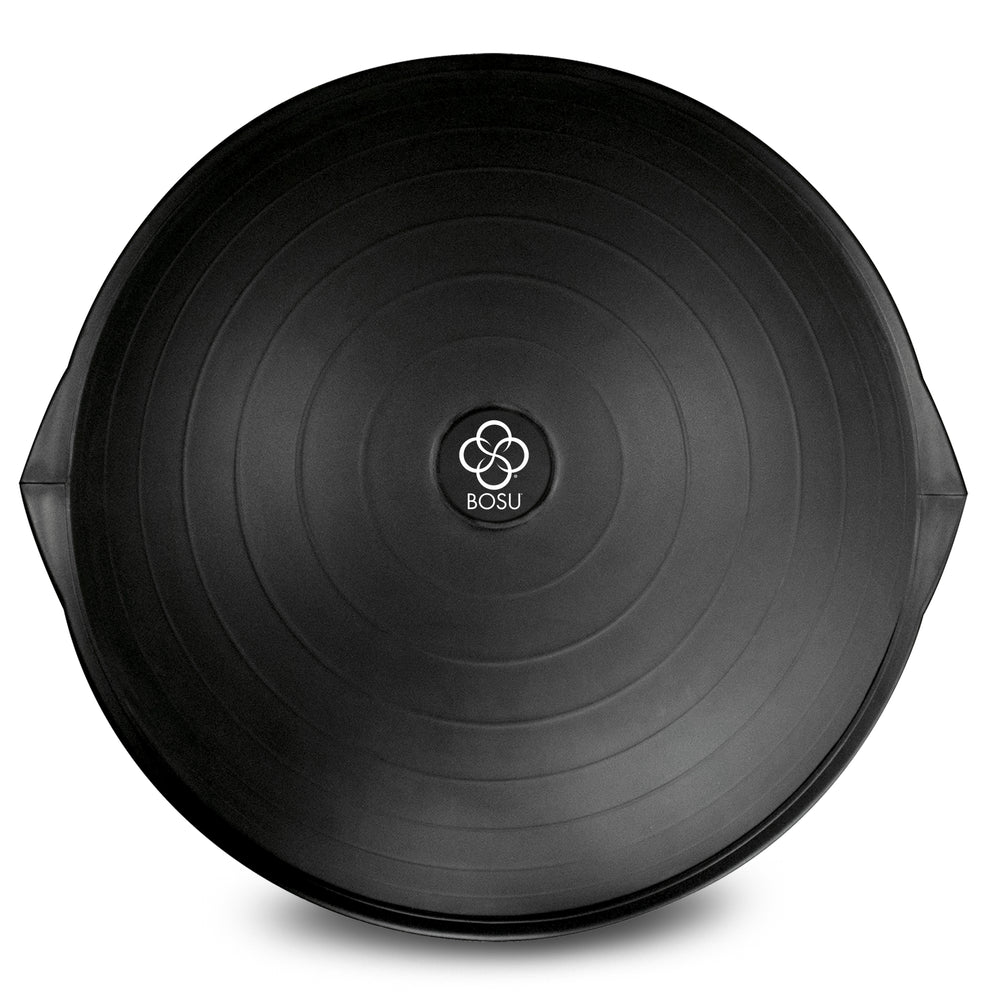
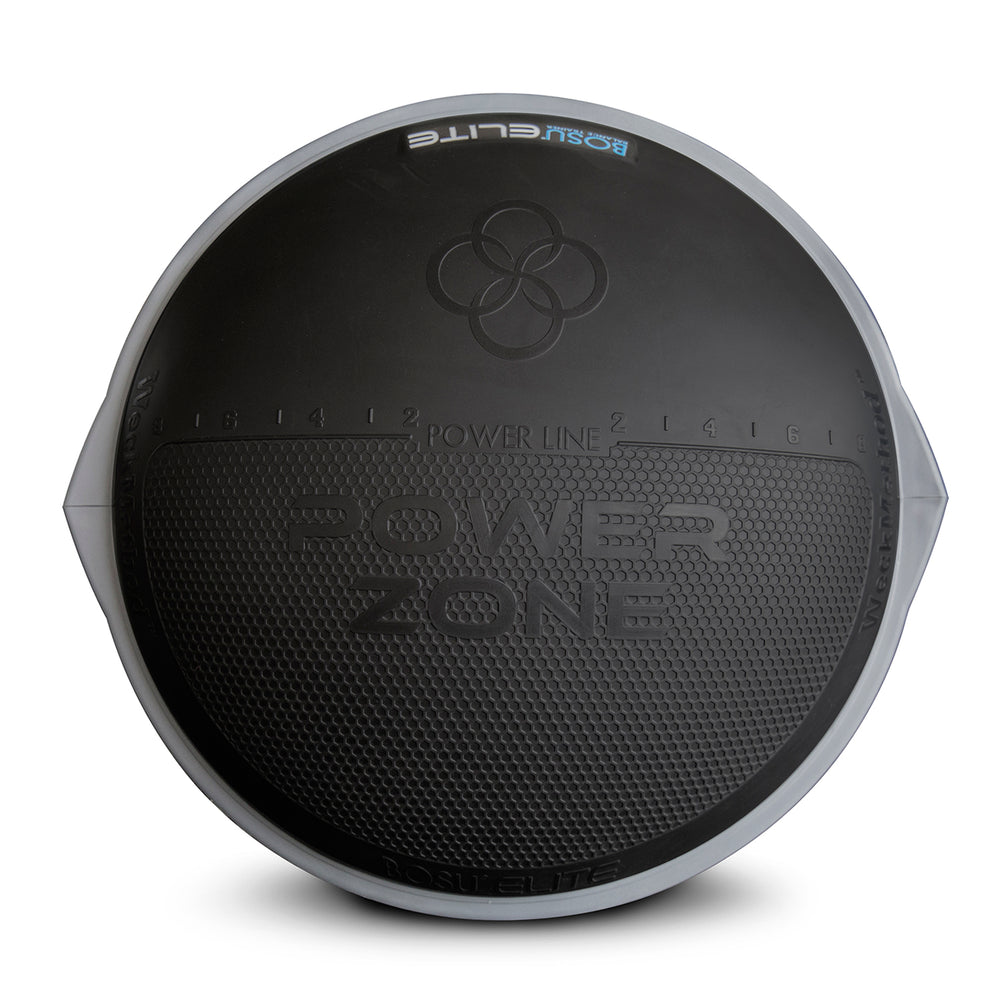
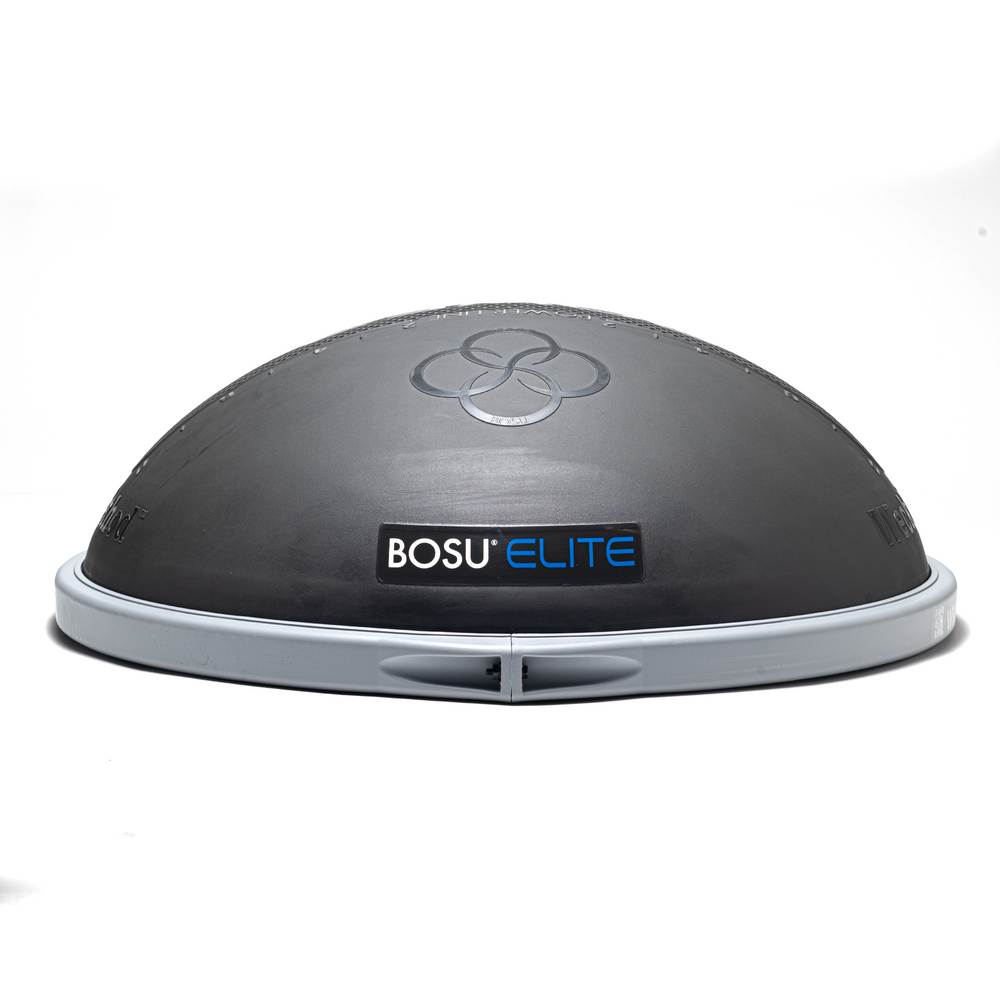
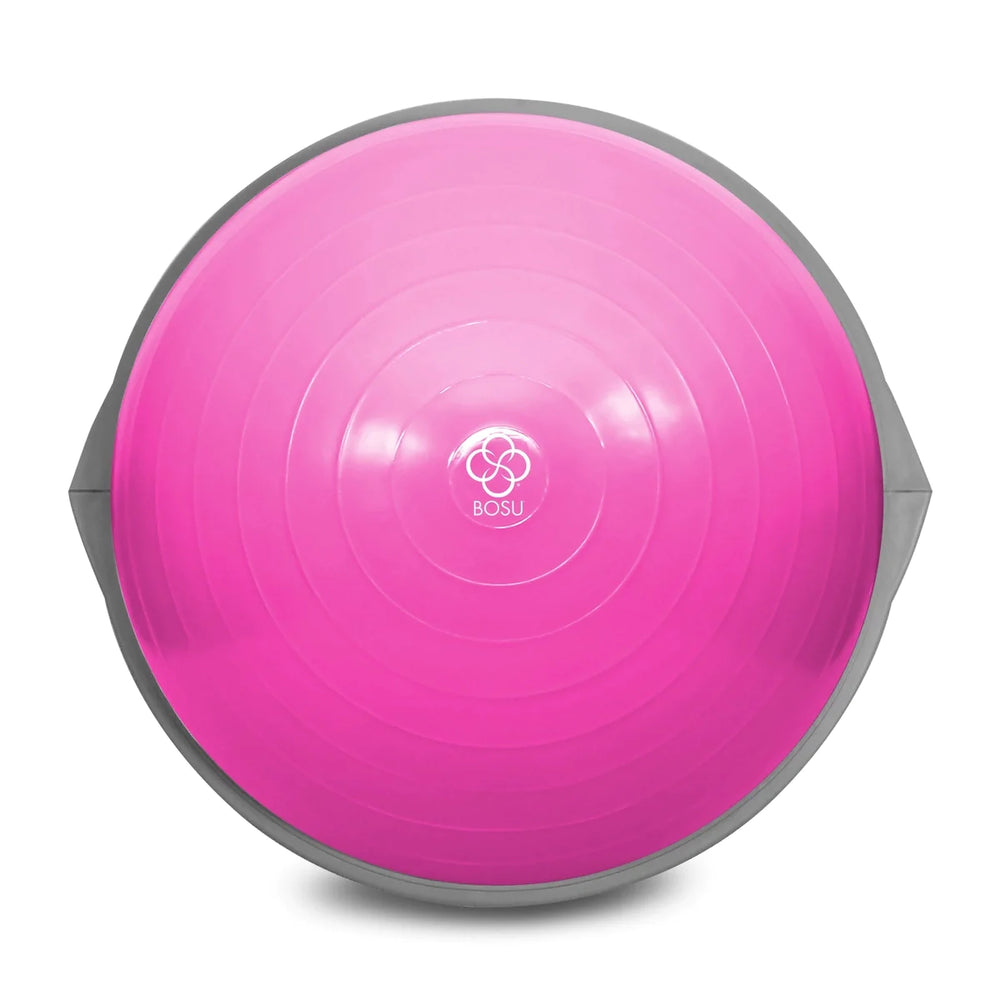
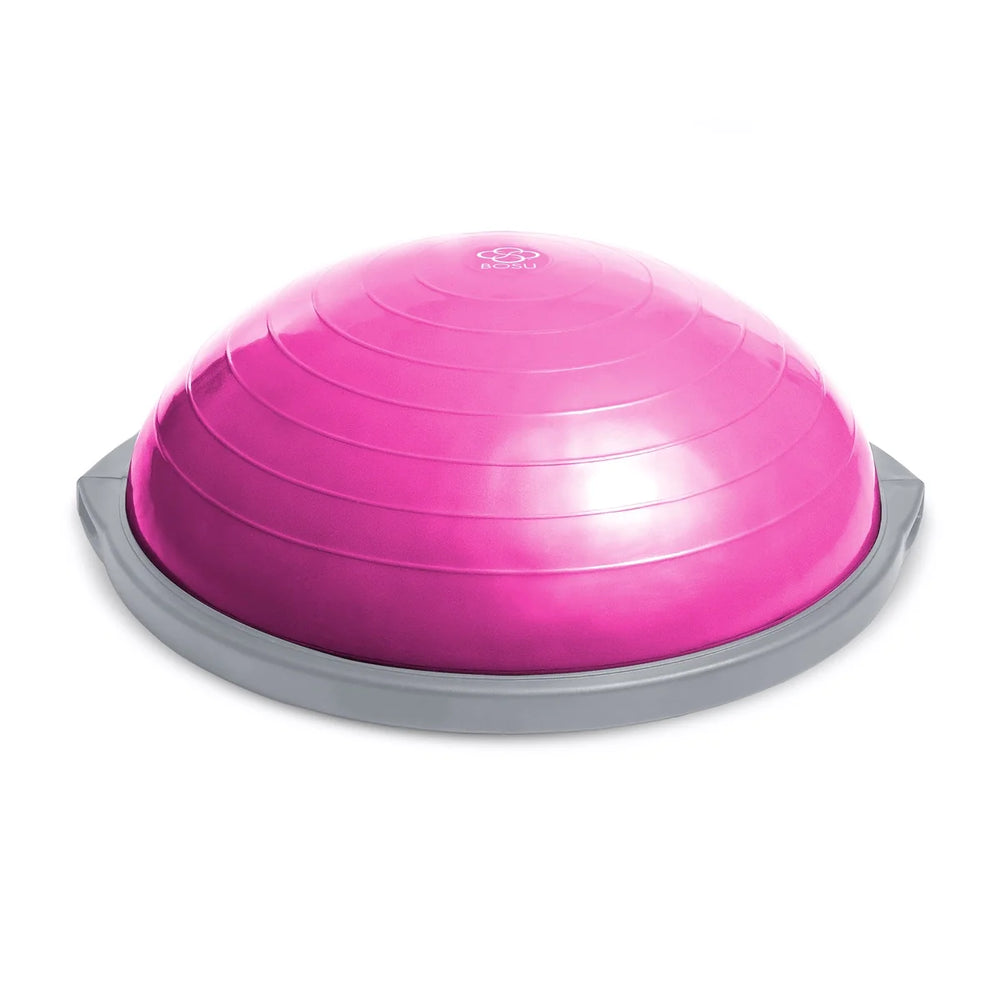
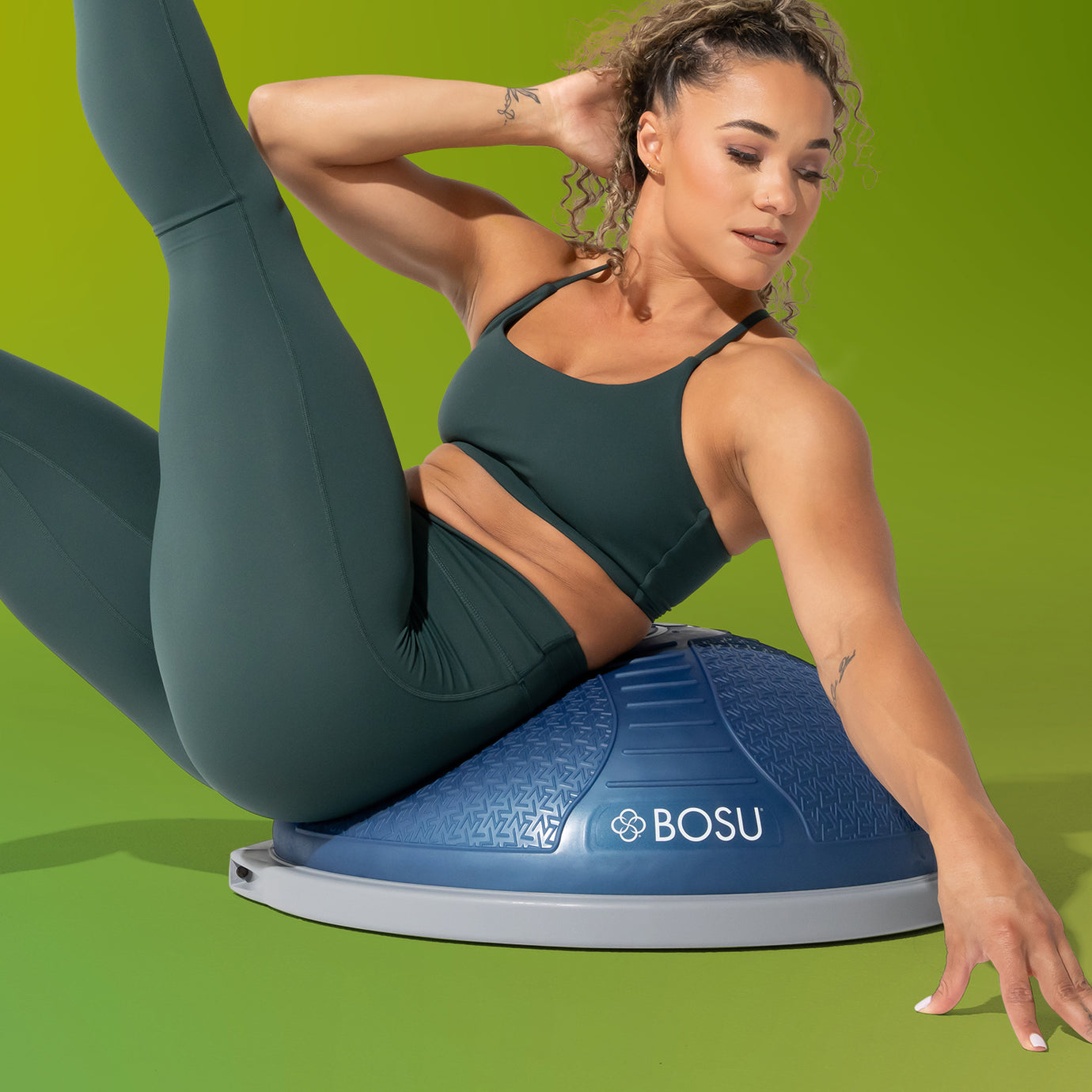
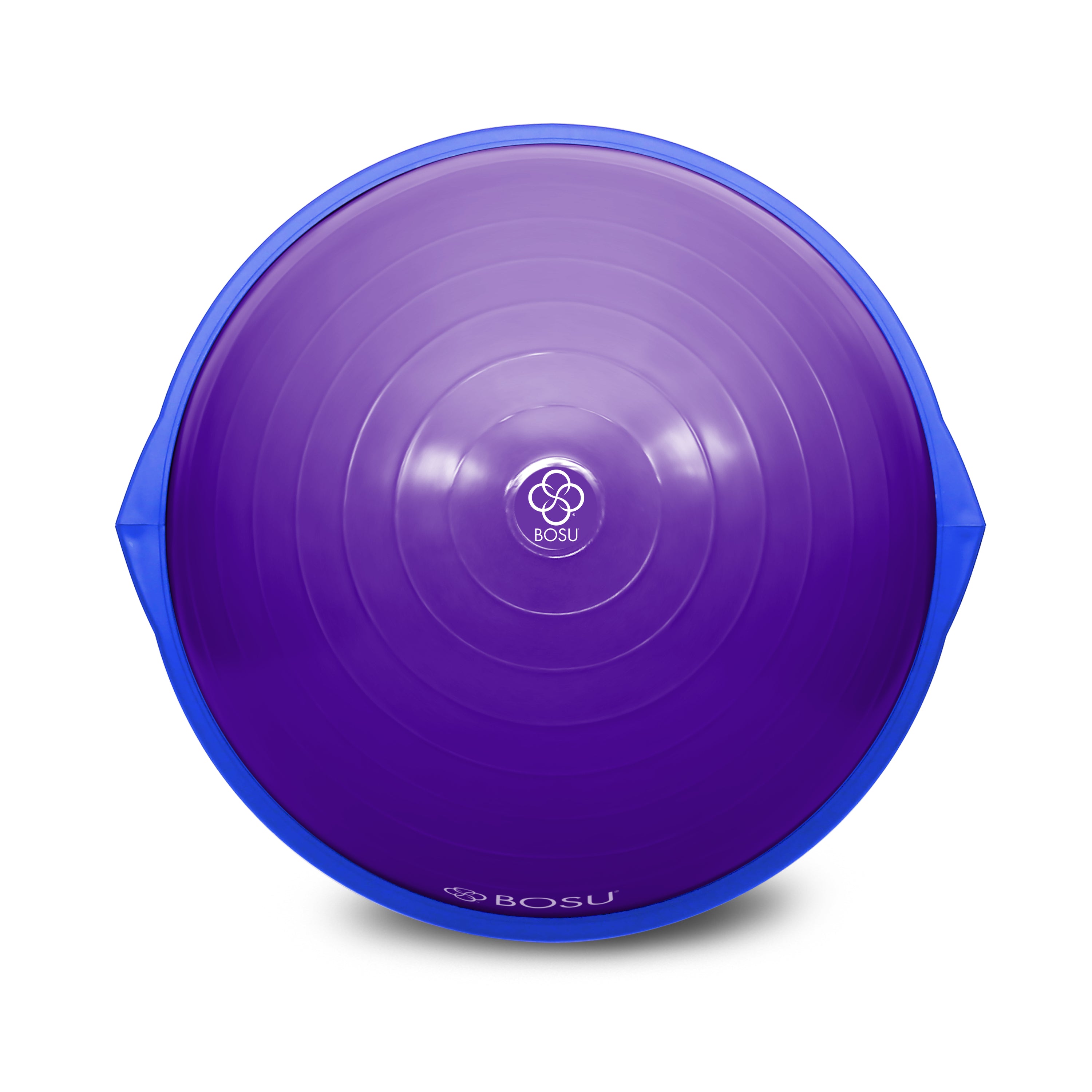
The BOSU® Balance Trainer is a piece of fitness equipment that facilitates functional balance training. Thus, it is important to understand what functional training is and how it fits into a total fitness program.
mind working with body to create effective movement
Training functionally on the BOSU Balance Trainer improves body control. Body control is a skill that must be developed in a variety of situations. This learning process includes using skill progressions that introduce instability in controlled training environments, which translate to a variety of training surfaces and movement challenges. Many real life examples support an approach that trains muscles for movement, which translates to a training methodology that attempts to develop body control. Body control could be thought of as the culmination of an effective functional training program, and stands side-by-side with a goal of training muscles in the same way they are used in life and sport.
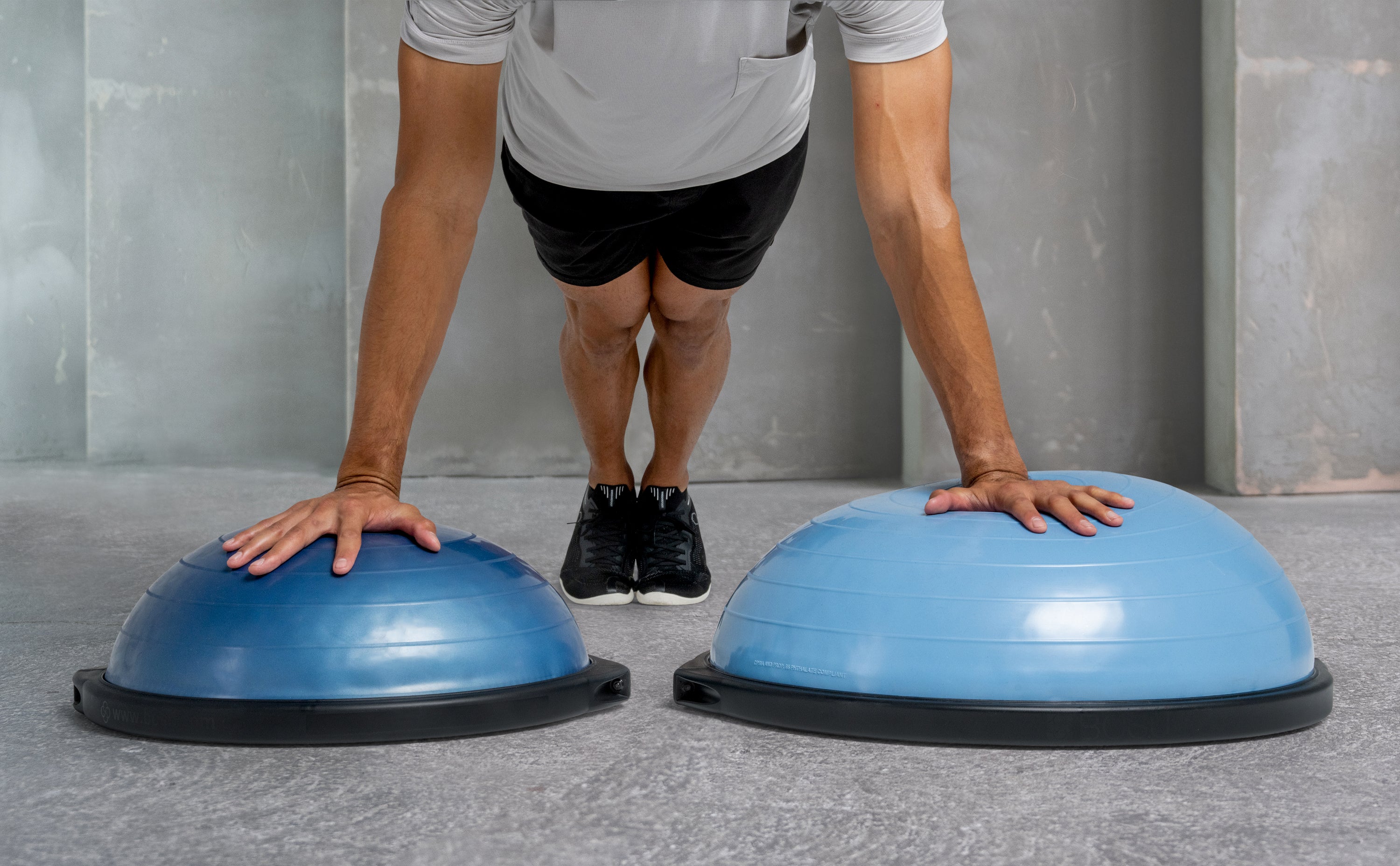
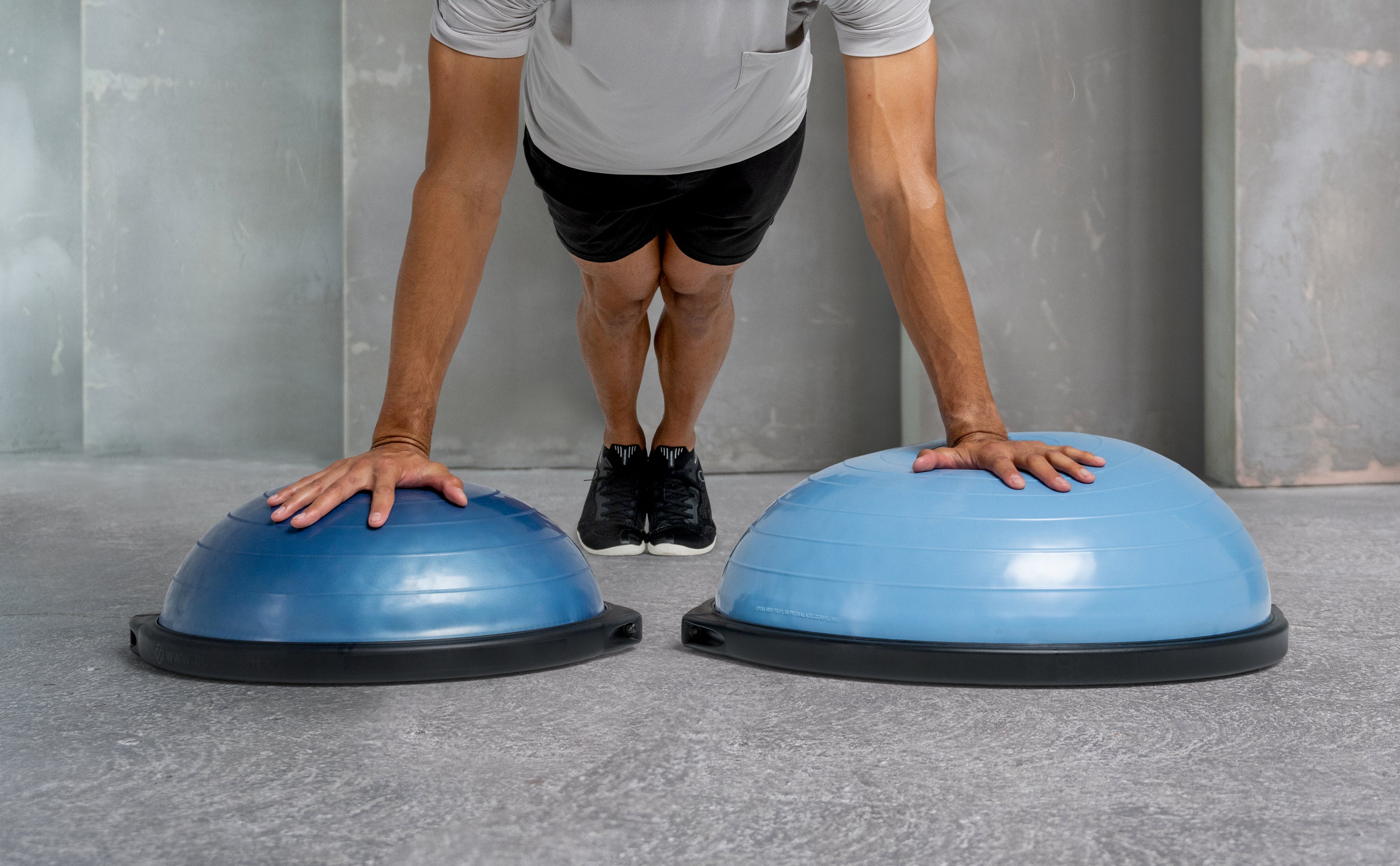
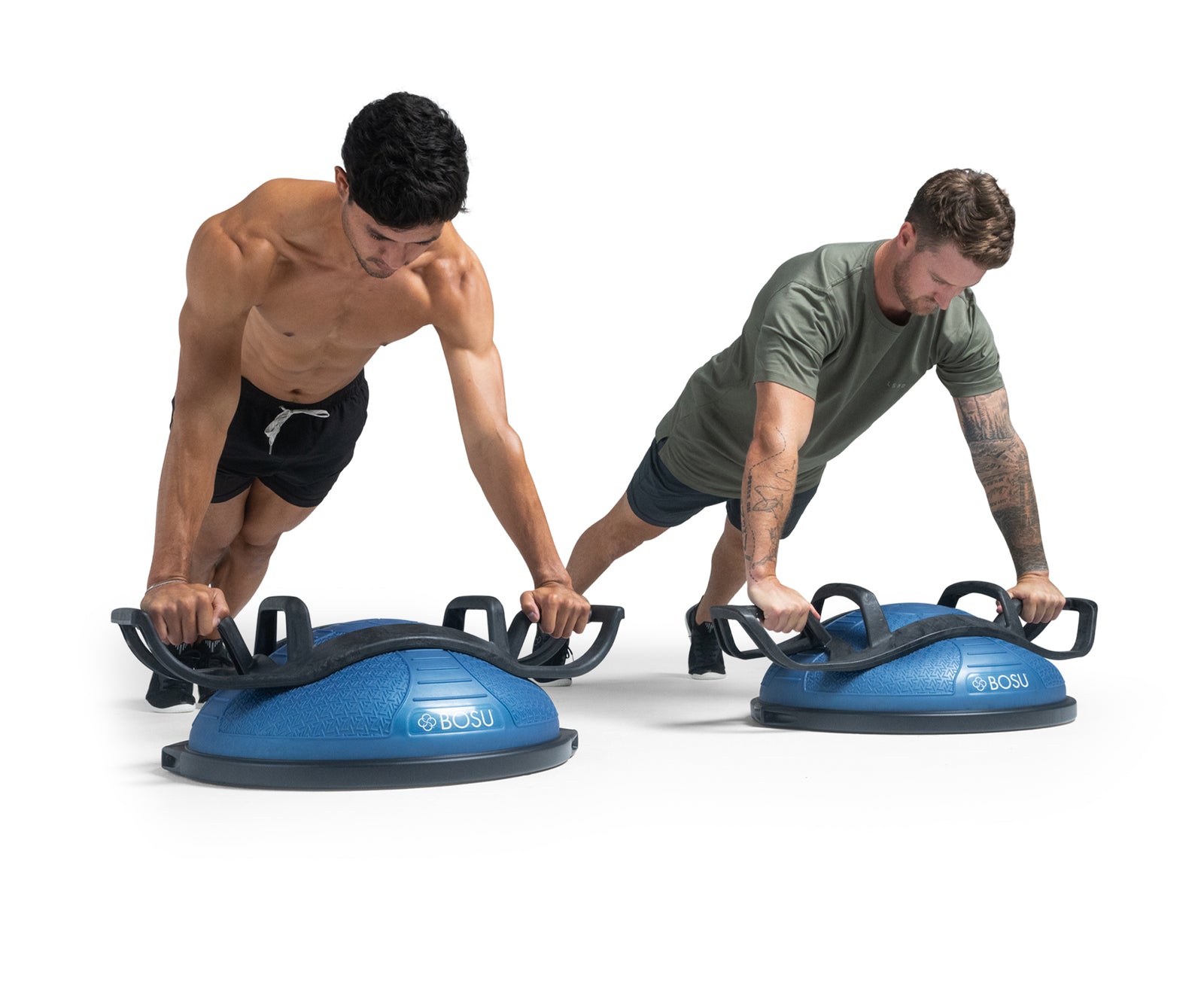
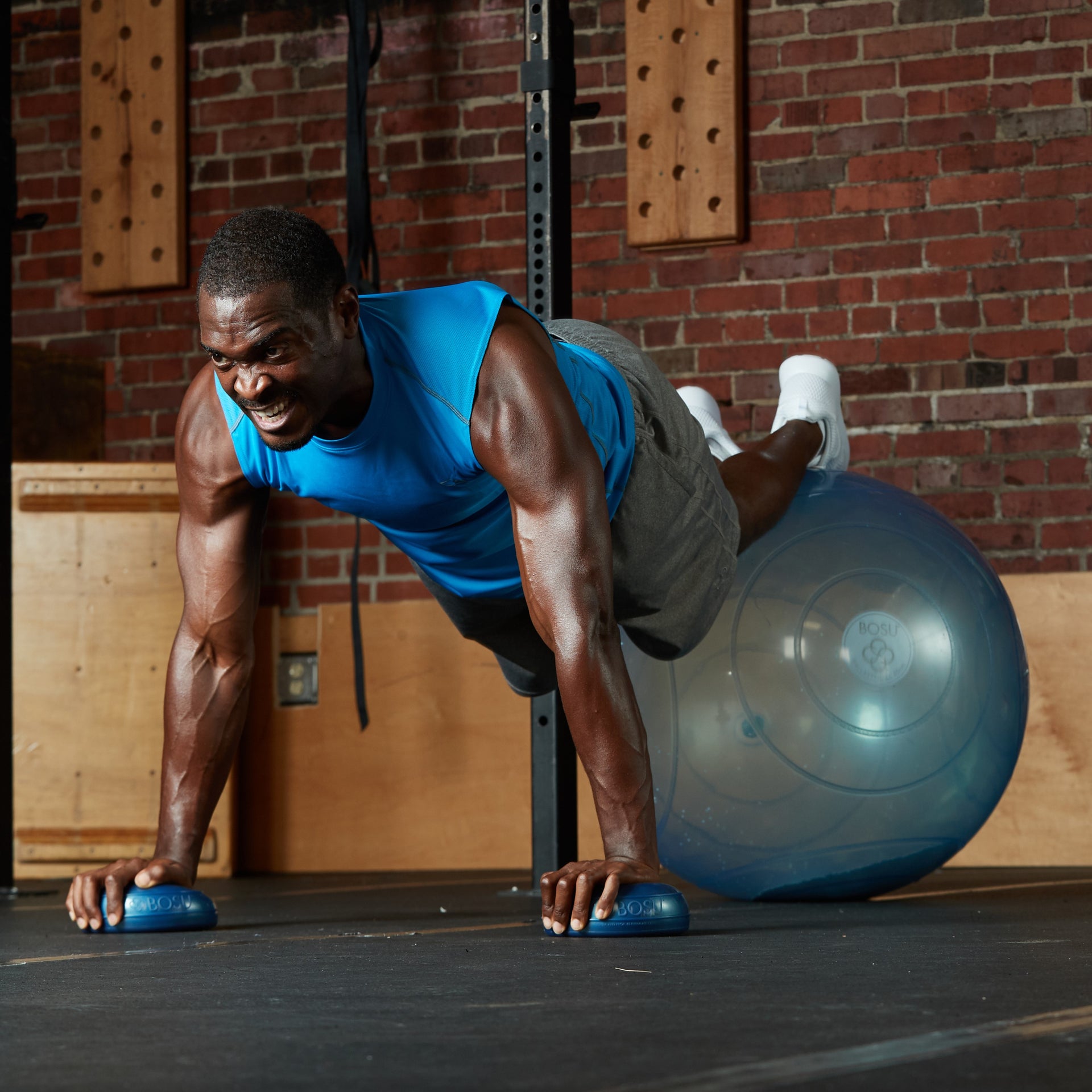
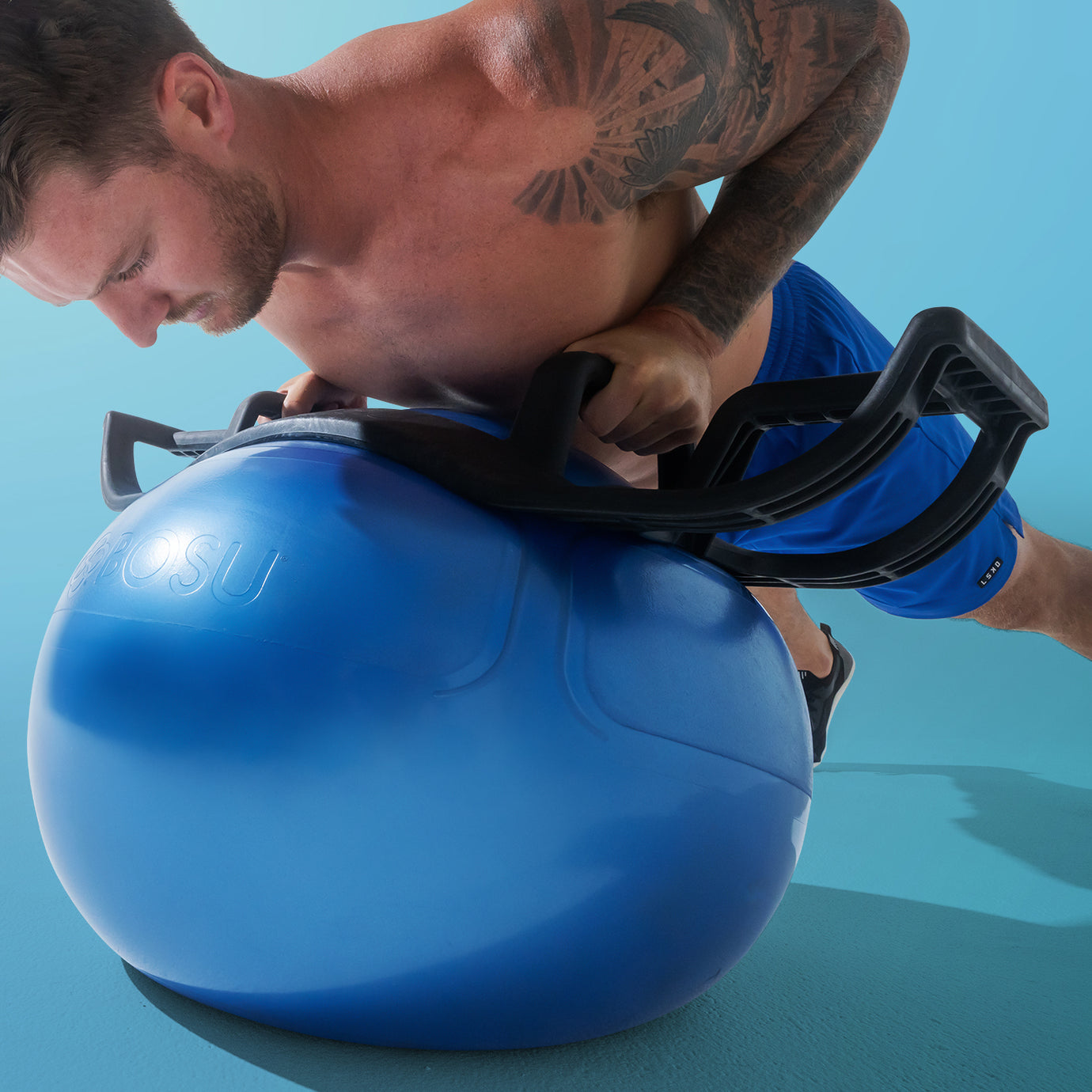
Though not classically defined as CCE, any exercise that partially supports the body weight and requires an integrated response from the body's musculature can be characterized as CCE. A pushup position that is held with the feet placed on the dome of the Balance Trainer is a good example. The arms and hands partially bear the weight of the body and an end segment of the chain (the hands) is “closed,” “fixed” or weight bearing.
1. Focus on integrated movement, not isolated action at a joint. Though it is important to strengthen specific muscles in isolation, functional training focuses on practicing parts of a movement, combining the parts into movement patterns, and practicing the whole skill in an integrated fashion. This rehearsal continues with the introduction of instability as is appropriate to the skill progression and goal of training. This type of movement practice is not necessarily sport specific, but recognizes that many of the movement patterns and specific energy system usage are common to many sports. Functional movement integrates multiple joint movements – linking movement together in the kinetic chain – and moves away from muscle isolation. Also, when movement is linked via joint action in the kinetic chain, note that during dynamic movement, simultaneous stabilization is occurring in some joints of the body. 2. Present an unpredictable movement challenge. Sport participation, by its nature represents, 1) imbalance or an effort to maintain balance, and 2) an uncontrolled, dynamic environment. All movement exhibits a degree of randomness and chaos, but it is from a position of optimal alignment and balance that peak performance expression is developed. A common expression describes sport as “organized chaos.” On the other hand, some elements of “play” are fixed. For example, a diver or gymnast contends with fixed challenges that are presented by height of a diving board, spring of a vaulting board or the challenge of quieting the movement of still rings. A tennis player or downhill ski racer interact with fixed elements that include using a familiar racquet with a specific string tension, or skiing a familiar race course on a favorite pair of well tuned skis. But, athletes also contend with changing elements that can include wind, snow conditions, terrain uncertainties or in the case of a tennis player, an opponent who counters with unpredictable strategies, of which all can impact performance. Functional movement is dynamic and requires the participant to speed up, slow down, stop, change directions, move in a variety of planes, react to ground forces, contend with gravitational forces, alter the amount of force production, stabilize, change body angles, modify line of sight and constantly adjust and react. 3. Introduce multijoint movement that occurs in multiple planes. The body, which is the organic representation of the kinetic chain principle, moves in multiplanar fashion whether performing a sport at a world class level or lifting a bag of groceries. Functional movement occurs in a three dimensional environment at any level of physical movement and involves moving in multiple planes. To challenge movement functionally, exercise must be provided that occurs in the sagittal plane (divides the body into right and left halves as it passes front to back), frontal plane (divides the body into front and back halves as it passes side to side) and transverse plane (divides the body into top and bottom halves). Within these basic planes of movement are infinite movement variation possibilities. In other words, the body must be trained to bend, reach, stretch and simultaneously maintain balance while moving at a variety of speeds. This represents applied power or the ability to use reactionary strength quickly, precisely and as needed. Linked force production via the kinetic chain provides movement that is useful.
4. Build complexity in a progressive manner. 5. Build intensity in a progressive manner. As was true for the previous characteristic, baseline cardiorespiratory, strength and muscular endurance fitness, along with adequate stability and mobility must first be established. Initial loading during functional training should be accomplished by using body weight only. If appropriate, consider using external resistance (i.e., elastic resistance, weighted ball) as training progresses and specificity of training dictates. However, many people hurt themselves or their performance in the name of “specificity.” For example, it is arguable that excessively “loading” a golf swing or baseball pitcher's arm motion while the skill is performed at full speed is dangerous, not specific and could negatively affect the complex neuromuscular patterns that make up many sport skills. (Refer to number 8 for additional information.) 6. Develop the body's ability to stabilize and generate power from the core or trunk “power center.” A variety of movements and types of training must be used to ensure a balanced approach to core training, as well as total development of the trunk region. Core movements should be trained in isolation (movertype activity that includes spinal flexion, extension, lateral flexion and rotation), as well as using functional exercises that require the trunk muscles to synchronize their activation, resulting in a stabilized pelvic and spinal position. Stabilization training of the abdominal region represents a synergistic response that demands an integrated, interdependent action of the trunk musculature – which means muscles working together to stabilize spinal position. Functional training of the abdominal and back muscles involves training them in a manner in which they are required to work on a daily basis. The key function of the abdominal and back musculature is not to create movement at the spine, but to exert isometric or stabilizing muscular force production in order to maintain spinal and pelvic position. (Note: These comments are not intended to infer that movertype or isolation trunk exercises are poor choices. The intention is to recognize that stabilization training is different than activeisolation exercise, which utilizes movement at the spine, and that both should be used to optimally develop and challenge the trunk.) This ability to generate power from the core can be trained using static and dynamic exercises. See the previous chapter, Neutral Spinal Posture and Core Stabilization. |
|